
Last updated November 17, 2026
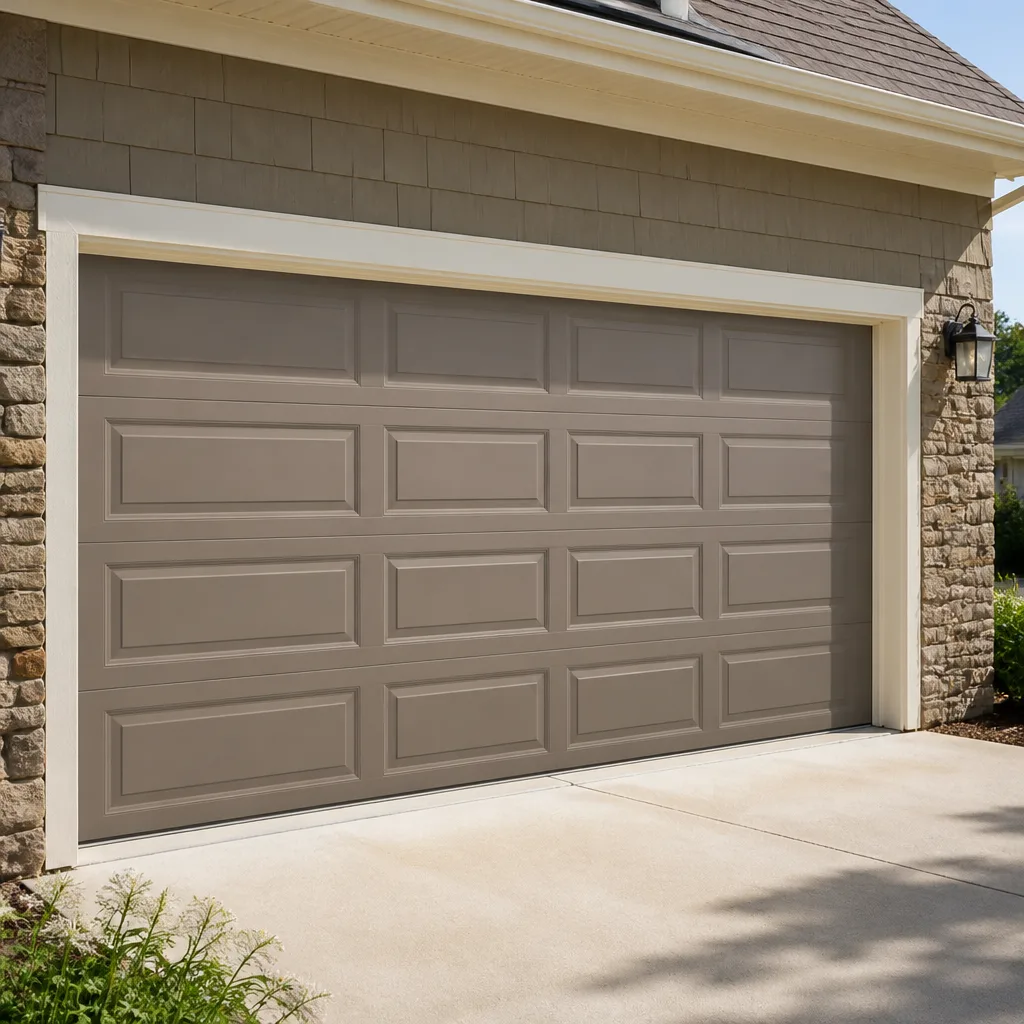 Raised-panel steel
 Carriage house
 Modern flush
 Full-view glass
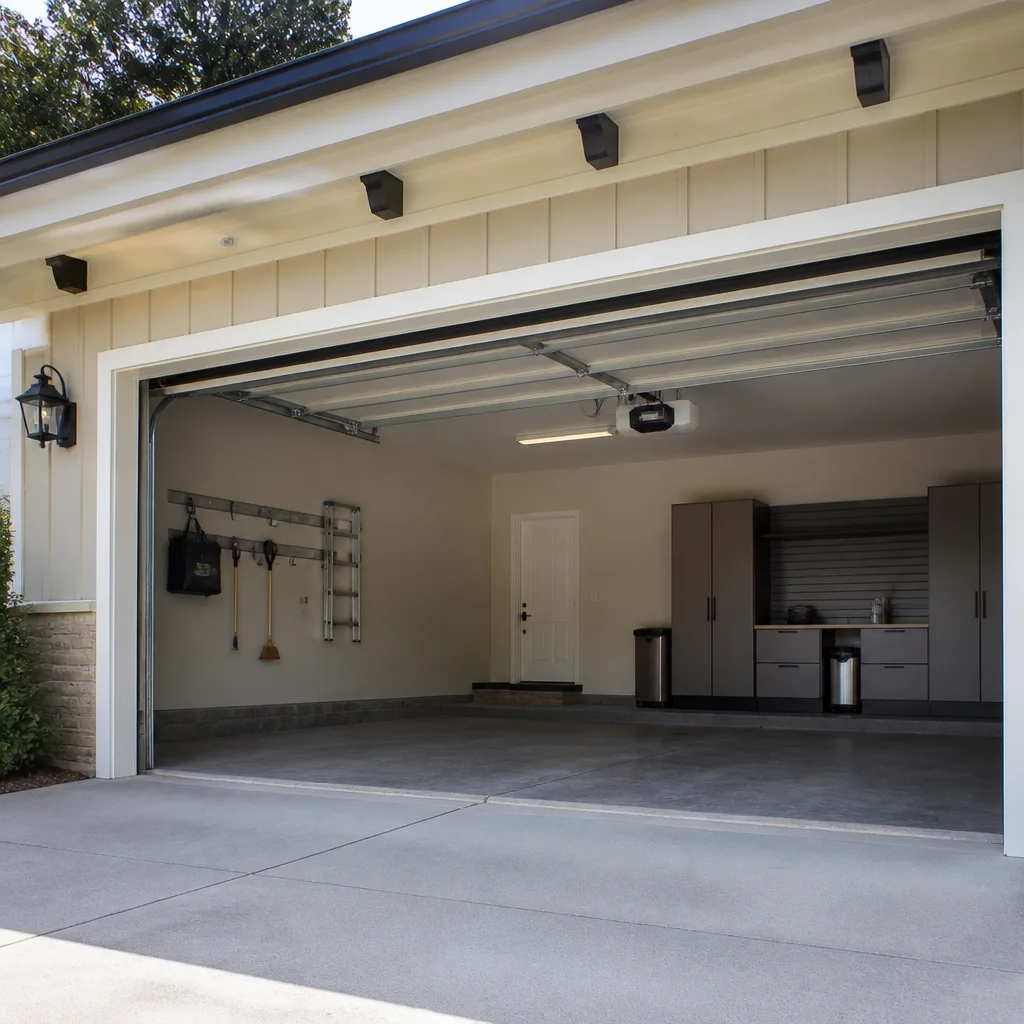 LiftMaster openers
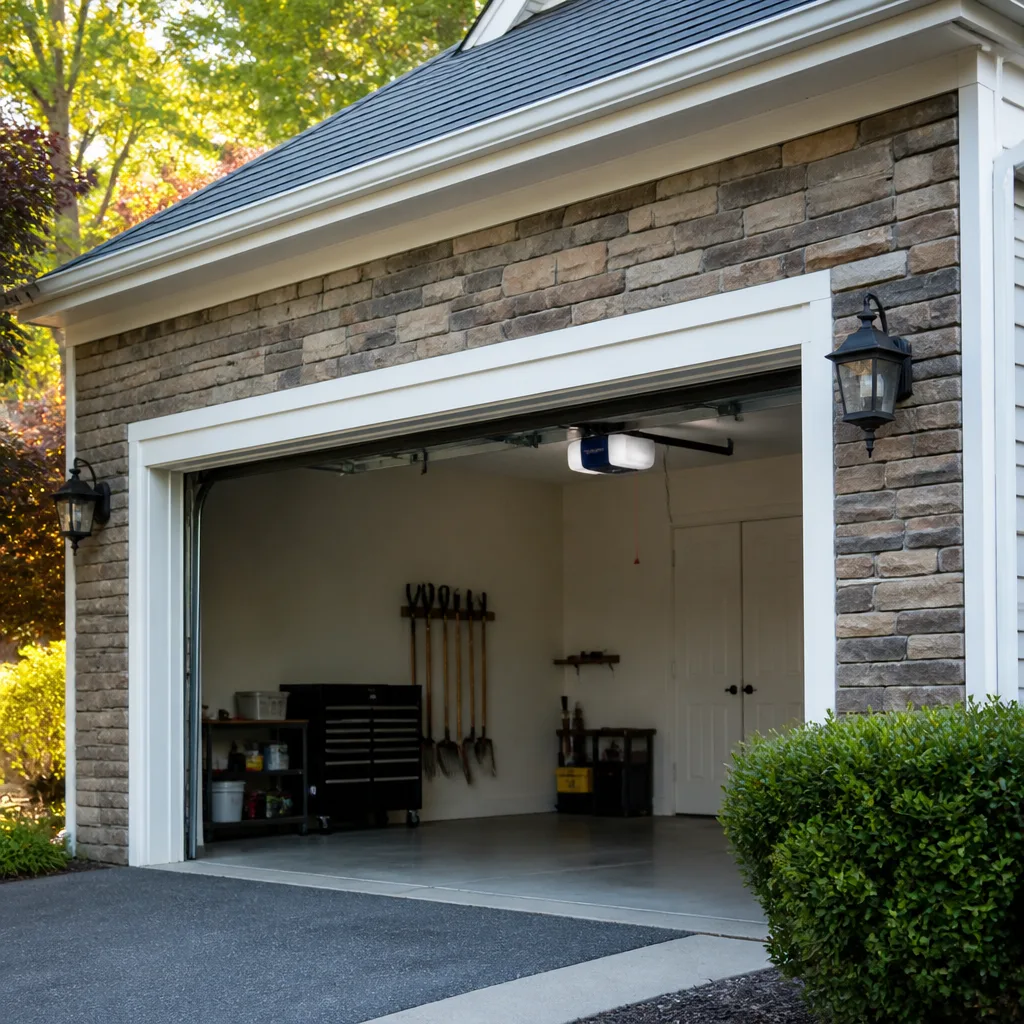 Chamberlain openers
Full 25-point door and opener safety check with every visit - springs, cables, rollers, tracks, and your LiftMaster or Chamberlain opener included
You get a price before we start. It does not change when the pro arrives.
Get your free estimateGarage Door Installation Maintenance Schedule: What to Do and When
Installer warranties on labor are typically one year. That single fact changes how you should think about a new door. Any adjustment that surfaces at month thirteen is a billable service call, and the adjustments that most often come due at month thirteen are the same ones a six-month self-check would have caught and corrected under warranty. In Mesquite, where summer heat pushes a new door harder than most owners expect, that gap between what the warranty covers and when problems show up is wider than it looks. Here is the schedule we’d follow if the door were on our own house, mapped to the first three years and then to the long haul.
Quick Answer
Check a newly installed garage door at 30, 60, 90, and 180 days, then move to a twice-yearly routine after year one. The 60-day check is where you tighten fasteners that have seated after initial use, and the six-month check is where you confirm opener limits and weather seals before the labor warranty window closes.
Styles & brands we work with
- Raised-panel steel
- Carriage house
- Modern flush
- Full-view glass
- LiftMaster openers
- Chamberlain openers
Table of Contents
- Why the First Year Matters More Than Any Other
- The Month-by-Month Checklist for the First Six Months
- What Hardware Seating Actually Means
- How a New Door’s Needs Differ From a Five-Year-Old Door
- Mesquite’s First Summer as a Stress Test
- Warranty Documentation Habits Worth Building in Year One
- Years Two and Three: The Transition to a Stable Schedule
- The Long-Term Maintenance Calendar
Why the First Year Matters More Than Any Other
A new garage door isn’t fragile. It’s unproven in your specific opening. The door was measured at the factory, but the cycle count is now happening on your tracks, your hinge line, your slab. Springs settle into their rated tension after the first several hundred cycles. Fasteners that were torqued at installation work loose as steel, wood, and concrete move against each other through temperature swings. The opener’s travel limits need a real-world recalibration once the door has operated under actual weight and friction.
That settling phase is normal, and it’s exactly what the warranty period exists to cover. The trap is that most homeowners treat a new door as maintenance-free for the first year, then call when something feels off at month fourteen. By then the labor warranty is closed and what might have been a covered adjustment becomes a paid visit. Mesquite’s climate makes this more pointed: a door installed in spring will face its first real heat by July, and a door installed in fall won’t meet the worst of the desert summer until the following year, just as the warranty is expiring.
We’ve seen both outcomes in Fernbrook Garage Door Repair Mesquite’s work around Mesquite. The homeowners who keep a simple log and do four short checks in the first six months rarely need anything more than a tune-up. The ones who wait usually end up paying for correction that could have been caught free.
The Month-by-Month Checklist for the First Six Months
This is the list we hand to families after an install. None of it asks you to adjust springs or touch the torsion system, and none of it takes more than ten minutes. If any item looks or sounds wrong, that’s a warranty conversation to have now rather than later.
Month 1 (30 days)
- Run the door up and down a handful of times and listen. A new door should sound consistent from the first cycle to the last. A new rattle or a change in pitch at the same spot is worth noting.
- Confirm the safety reverse. Place a roll of paper towels or a 2×4 flat under the door and close it. It should reverse on contact. This is the single most important safety check on any door, new or old.
- Look at the weather seal along the bottom. It should sit flat against the floor with no daylight showing. In Mesquite, the slab can be slightly out of level, and the seal should still meet it.
- Note the date. Keep a one-line log: “Installed [date]. First check [date]. Door quiet, reverse works, seal flat.”
Month 2 (60 days): the fastener check
- With the door closed and the opener disconnected, look at the hinge plates and the roller brackets. Don’t loosen anything; just look for gap lines opening up or a bracket that’s moved a hair off its original position.
- Check the bolts on the opener’s rail and the ceiling brackets. A new opener often develops a small amount of play in the first two months as the rail seats.
- Look at the track. It should be straight and plumb. A track that’s drifted even a quarter inch will show as a slight wobble at the top of travel.
- Write down anything that moved. This is the check most installation guides leave out, and it’s the one that catches adjustments while they’re still warranty-covered.
Month 3 (90 days)
- Re-test the safety reverse and the photo-eye alignment. The photo eyes should be aimed at each other with no obstruction across the beam.
- Wipe the tracks with a dry cloth. Don’t lubricate the tracks; they’re meant to run dry. Lubricate the hinges, rollers, and the torsion bar bearing plates with a garage-door-safe lubricant instead.
- Check the bottom seal again. In a Mesquite summer the seal can start to show compression set at the corners before it does in the middle.
Month 6 (180 days): the warranty-window check
This is the most important check of the first year. Schedule it before the six-month mark and treat it as a formal review. Have someone qualified look at spring tension, cable wear at the drums, opener force limits, and track alignment together. Anything that needs adjustment here can almost always be handled under the labor warranty. Anything that waits until month thirteen almost never can. If you’d like a professional eye on it, our Garage Door Installation in Mesquite team can review a new install in this window and note what’s covered.
What Hardware Seating Actually Means
Hardware seating is the process by which the metal parts of a new door find their final resting position against the wood or steel they’re bolted to. It sounds abstract, but the mechanism is simple. Every hinge, roller bracket, and end plate is fastened to the door panel with lag bolts or machine screws. When the door first starts cycling, the panels flex a little, the wood or steel gives a fraction, and the bolts settle into that give. The result is a small, one-time loosening at the fastener line that can produce a gap of a fraction of a millimeter.
That tiny gap matters because it changes the angle of the hinge and the path of the roller just enough to create a slight drag or a rattle. It’s not a defect. It’s physics doing what physics does on every new install, from an Amarr carriage door to a Wayne Dalton panel. What separates a good install from one that needs more attention later is whether someone checks for it at the 60-day mark. We’ve had homeowners in Mesquite tell us the door “got louder at about two months” and then went quiet again on its own. That’s seating. A quick fastener check catches it and confirms nothing is backing out; skipping the check leaves you guessing.
The other half of seating is the opener. A new opener’s travel limits are set in a shop or at install, but the door’s real friction profile only appears after a few weeks of daily use. The opener’s force adjustment should be re-verified at 60 days, and the safety reverse re-tested at every check after that.
How a New Door’s Needs Differ From a Five-Year-Old Door
Not every component ages the same way, and it helps to know which ones demand attention early. New doors are hardest on the parts that are still breaking in, and gentlest on the parts that have already settled.
- Fasteners: Need attention earliest on a new door, because they’re still seating. On a five-year-old door they’re usually stable and only need an annual check.
- Springs: A new torsion spring settles into its rated tension in the first several hundred cycles, then holds for years. A five-year-old spring is past settling and needs a wear inspection instead, which is where our Garage Door Spring Repair in Mesquite team most often gets called.
- Weather seals: New seals are flexible and forgiving. Older seals harden, crack, and lose their seal at the floor. Mesquite’s dry air and summer heat accelerate that hardening.
- Track alignment: New tracks can shift slightly as the framing settles. Older tracks rarely move unless something hits them.
- Opener calibration: Needs revisiting on a new install. On an older one, it usually just needs a periodic force check.
The short version: on a new door, watch the fasteners and the opener. On a five-year-old door, watch the springs and the seals. Different years, different eyes.
Mesquite’s First Summer as a Stress Test
A garage in Mesquite in July gets hot enough that a door installed in spring meets its worst conditions inside the first 120 days. That heat does something useful: it stress-tests whether the install was done to spec. Three things tell you the answer.
First, watch the bottom seal. If it’s curling at the corners or starting to pull away from the panels in July, the seal wasn’t seated flat or the floor wasn’t prepped properly. A good install holds its shape through the first summer. Second, listen for panel rattle at high travel. Trim, hinges, and end plates expand in the heat, and a rattle that shows up only in summer points to a fastener that loosened during seating. Third, look at the finish at the bottom edge. If paint or powder coat is blistering in its first summer, it’s worth a warranty conversation before the season ends, because finish failures are far easier to resolve inside the labor warranty window.
Mesquite’s dry air is a help here; the seals don’t face the constant moisture that coastal installs do. But the heat is relentless, and the first summer is the honest exam. If the door passes it quiet and dry, you can relax into the twice-yearly routine with confidence.
Warranty Documentation Habits Worth Building in Year One
Most warranty claims fail on documentation, not on whether the door was actually defective. Build the file in the first month and it costs almost nothing; build it after a problem shows up and it’s an uphill fight. Here’s what we tell families to keep.
- Photograph the door on install day. Full front, each side, the bottom seal, the track, and the opener. Date-stamp each photo. This is your baseline for any “was it like that from the start?” question.
- Keep the install paperwork in one place. Model and serial numbers, the written price you agreed to, and the warranty terms. If the door is an Amarr or a Raynor, note the model number on the door tag.
- Date-stamp the checks. A photo of the door and a one-line entry in a notes app is enough. Four entries in the first six months shows a maintenance pattern that the manufacturer and installer can see.
- Photograph anything that looks off at the time you notice it, not after. A hinge that’s moved, a seal that’s curling, a panel rattle. The date matters.
- Keep your written price on file. When we present a written price before any work starts, we present it for a reason: no family should have to reconstruct the invoice to argue a warranty.
None of this is dramatic. It’s just the file you’d want if you ever needed it. The habit takes ten minutes on install day and pays for itself the first time something is genuinely a warranty question.
Years Two and Three: The Transition to a Stable Schedule
Once the first year is done, the settling phase is over and the door’s behavior becomes predictable. Years two and three are about confirming consistency rather than chasing adjustments. The schedule narrows to twice a year, ideally in spring and fall, and the checks shift toward wear.
- Twice a year: re-test the safety reverse, check the photo eyes, lubricate the hinges and rollers with a garage-door-safe lubricant, and wipe down the tracks.
- Each spring: inspect the weather seal for hardening and cracking, and check the bottom edge of the door for paint or powder-coat wear. In Mesquite, that spring check is where the finish damage shows first.
- Each fall: check the fasteners on the hinges and the opener rail, and listen for any new rattle at high travel. If you hear something, note the point in the travel where it happens.
- Year three: have the spring tension, cable condition, and drum wear inspected by someone qualified. This is where the transition from “new door” to “maintained door” is complete.
By year three, most of our Mesquite neighbors are on the same twice-yearly rhythm they’d keep for the next decade. That’s the goal. The door stops needing attention from you beyond the two visits a year, and the yearly inspection keeps the springs and cables from surprising anyone. If you ever want the yearly inspection handled entirely, our Garage Door Repair in Mesquite team does it in a single visit and leaves you a note of what was checked.
The Long-Term Maintenance Calendar
After year three, the schedule simplifies to this:
- Every six months: safety reverse, photo eyes, lubrication, track wipe-down, seal inspection.
- Every twelve months: professional inspection of springs, cables, and drum wear, plus an opener force check.
- Every two years: finish check on the panels and bottom edge; reseal or touch up as needed.
- Every three to five years: seal replacement if the bottom edge is showing compression set, especially in Mesquite where the desert air hardens rubber faster than in humid climates.
- Every five to seven years: spring replacement based on cycle count, not on symptoms. Waiting for the spring to break tends to mean a call at a bad moment; a scheduled replacement avoids it.
This is the same calendar we keep on doors across Mesquite, whether the door is a LiftMaster-equipped Craftsman or a Genie-operated panel. The door itself is not the variable. The schedule is.
Common Mistakes to Avoid
- Treating the first year as maintenance-free. The settling phase is exactly when the checks are most valuable. A door that’s never checked in year one tends to need more work in year two.
- Skipping the 60-day fastener look. It’s the cheapest, quickest check on the schedule, and it’s the one most guides omit. If a fastener backs out, you’ll know before it becomes a rattle.
- Lubricating the tracks. Tracks run dry. Lubricant on the track attracts grit, and in Mesquite’s dusty spring winds that grit becomes a grinding paste. Lubricate hinges and rollers instead.
- Waiting past month twelve for adjustments that surfaced at month six. Anything noted in the first six months is almost always a warranty matter. Anything noted at month thirteen almost never is.
- Ignoring the finish in the first summer. A blister or lift at the bottom edge is a warranty question best raised early. Waiting until the labor warranty expires means paying for it.
- Calling the door “settled” when it’s actually misaligned. A door that got louder at two months and then quiet again is seating. A door that got louder and stayed louder is a track issue. The difference is whether the noise went away on its own.
- Letting the warranty file live in a drawer. Photo the door on install day, date-stamp your checks, and keep the written price on file. A claim built on records takes a phone call; a claim built on memory takes weeks.
See the difference
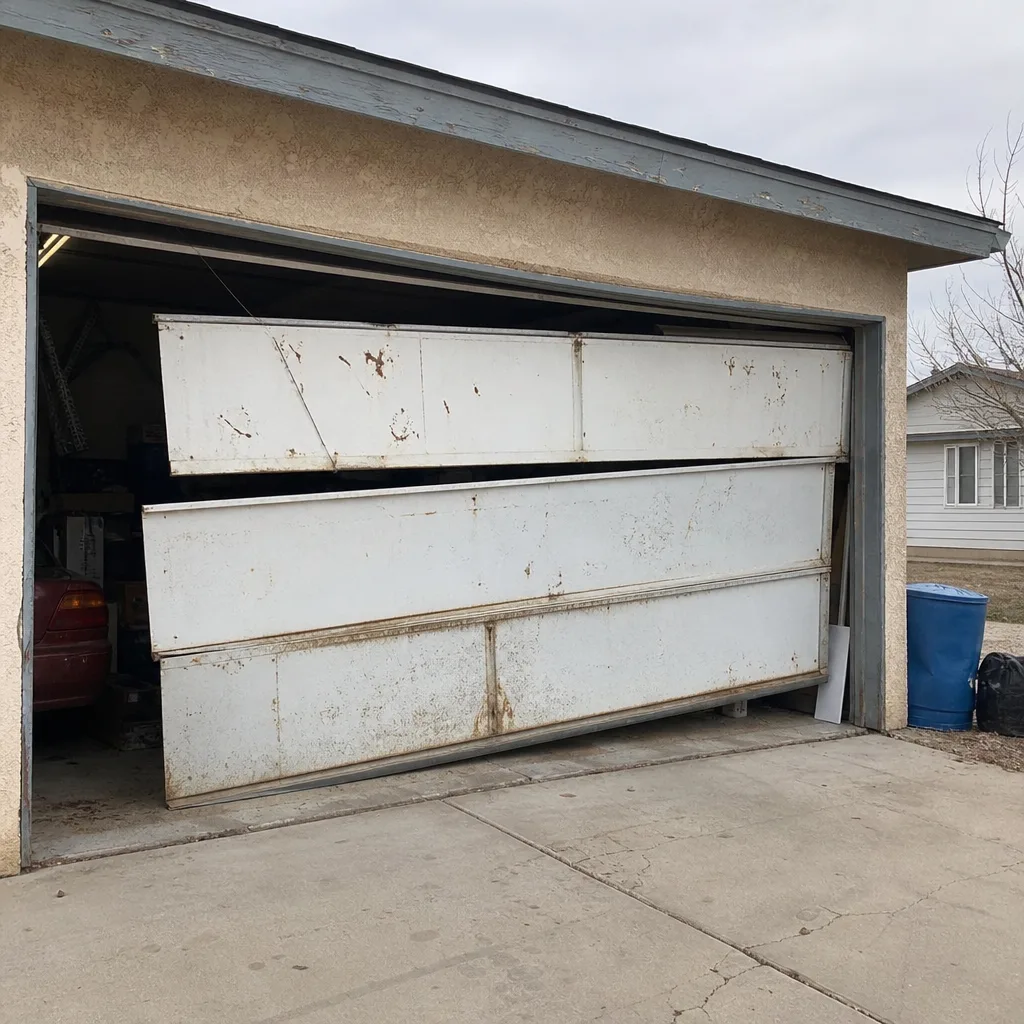 Before
 After
 Before
 After
 Before
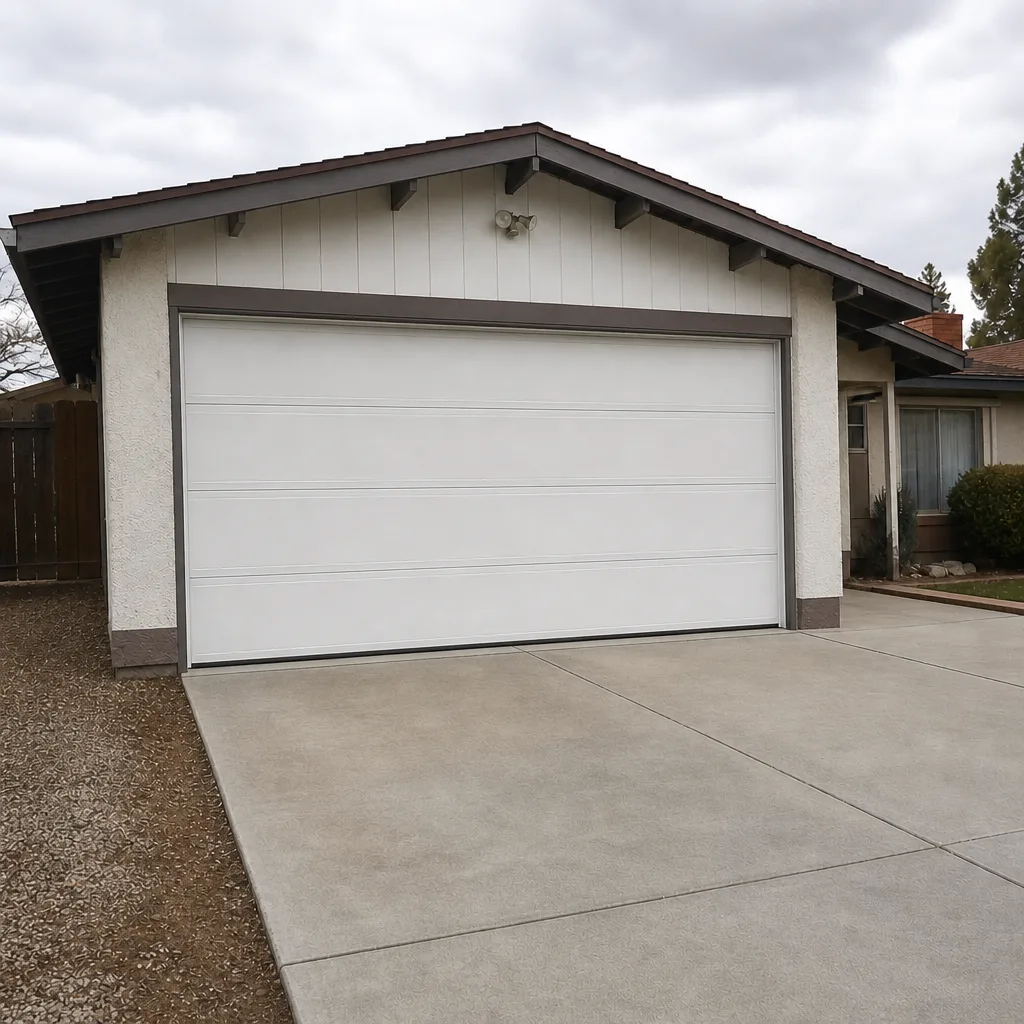 After
When to Call a Professional
Bring in a trained professional if the safety reverse doesn’t trip on contact, if you see a cable with frayed strands or a loose drum, if a torsion spring has visibly stretched or broken, or if a track is bent or out of plumb. Do not attempt to adjust springs or cables yourself; they’re under enough tension to cause serious injury in an instant, and the tools and technique required aren’t a homeowner project. Call us if the door rattles at a specific point in its travel, if you notice paint blistering at the bottom edge in the first summer, or if the opener force feels different from one month to the next. Fernbrook Garage Door Repair Mesquite offers free estimates in Mesquite, including a review of a new install inside its first year. Call (888) 255-7680 and we’ll schedule a visit that fits your family’s quiet hours.
Frequently Asked Questions
Thirty days. That first check is a listen-and-look, and its main job is to confirm the safety reverse and the bottom seal are working as installed. It also gives you a date-stamped baseline for the rest of the first year.
Fastener seating. Hinge plates, roller brackets, and the opener rail all settle into their final position within the first several hundred cycles. A quick visual check catches anything that moved and confirms nothing is backing out; if it needs tightening, that’s a warranty conversation to open, not a DIY project.
Not damage it, but it will stress-test the install. Watch the bottom seal for curling at the corners and listen for rattles that only appear in summer. A door that passes its first Mesquite summer quiet and dry is installed correctly. If finish blisters at the bottom edge, raise it before the labor warranty closes.
Yes. The fasteners and opener calibration that need attention on a new door are settled by year five. Instead, watch the springs and the weather seal, which are the two components that wear most on an older door in the desert. The twice-yearly schedule stays the same; only the focus shifts.
Date-stamped photos of the door on install day (front, sides, seal, track, opener), the model and serial numbers, the written price you agreed to, the warranty terms, and a one-line log of each check. Five entries in the first six months is enough. It’s the file that turns a warranty claim into a phone call.
You can do the safety reverse, the photo-eye check, and the seal inspection yourself. Have a professional look at spring tension, cable wear, and opener force at the six-month mark, because those require knowing what “correct” feels and looks like. It’s the check that most often catches something worth fixing under warranty. Call (888) 255-7680 and we’ll get it on the calendar.
The Bottom Line
A new garage door doesn’t need more maintenance than an old one. It needs it in a different order. The first year is the settling phase, and the 30, 60, 90, and 180-day checks catch what the settling phase produces while the warranty still covers it. Miss the six-month check and the month-thirteen adjustment is on you. Mesquite’s first summer is the honest exam, and a door that passes it quiet and dry will settle into a twice-yearly routine for years. Start the file on install day and you’ll never have to argue a warranty from memory. Visit our Fernbrook Garage Door Repair Mesquite home page to see the full range of what we handle, and call (888) 255-7680 for a free estimate on your next check, tune-up, or install. Every visit comes with a written price before any work starts, shoe covers and drop cloths inside the home, and a photo of the clean-up before we leave. Every job is backed by the 365-Day Done Right Promise, and a live person answers the phone 24 hours a day, seven days a week.
Written by the team at Fernbrook Garage Door Repair Mesquite.