
Last updated November 17, 2026
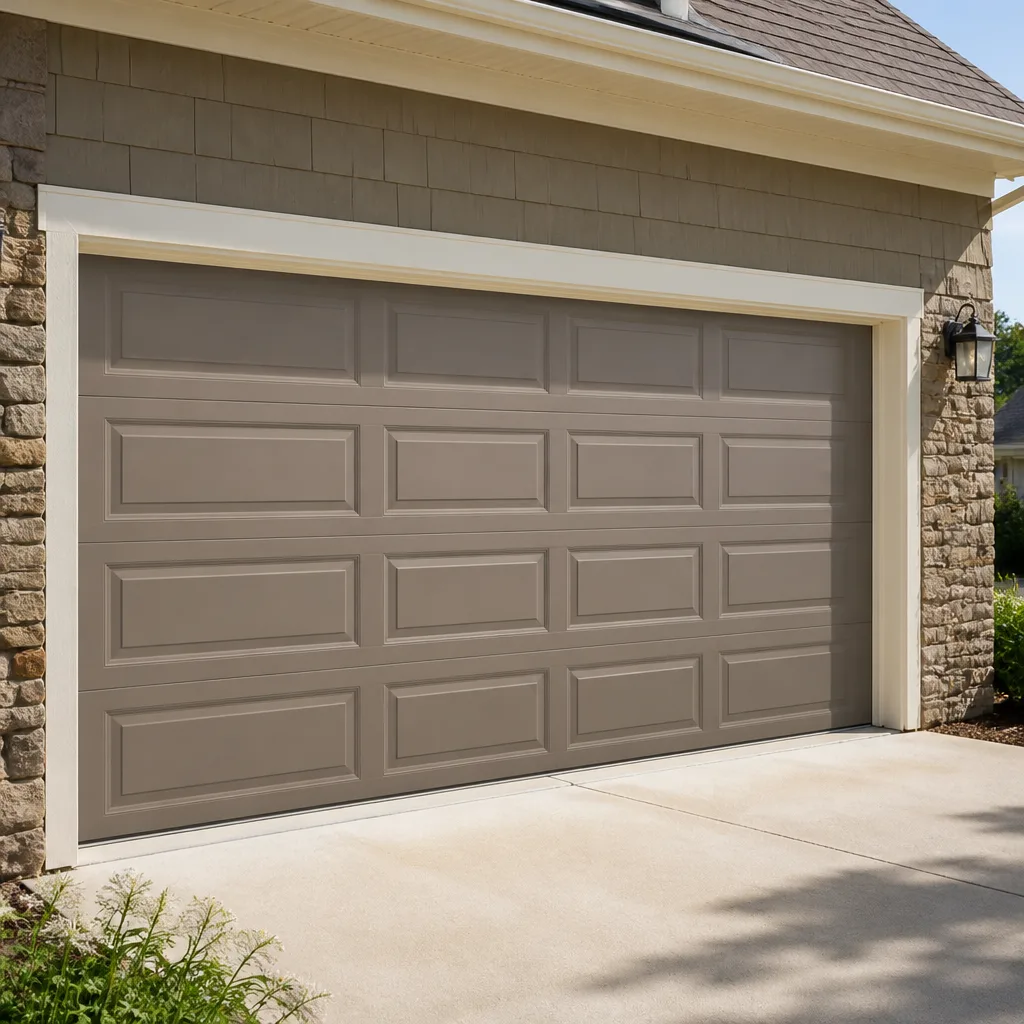 Raised-panel steel
 Carriage house
 Modern flush
 Full-view glass
 LiftMaster openers
 Chamberlain openers
Full 25-point door and opener safety check with every visit - springs, cables, rollers, tracks, and your LiftMaster or Chamberlain opener included
You get a price before we start. It does not change when the pro arrives.
Get your free estimateGarage Door Installation Warning Signs Every Homeowner Should Know
By the time a poorly installed garage door breaks, the crew that installed it is long gone. The panels sag, the opener strains, and the door that looked fine in June starts grinding in January. But here’s what we’ve learned after years of answering calls in Mesquite: every bad installation leaves visible clues in the first hour that any homeowner can learn to read. The signs aren’t dramatic. They’re small procedural skips – a track mounted without a level check, a spring tensioned by eye, a floor gap nobody measured. This guide names exactly what to watch for, in the order it would appear during a real job, so you can catch a problem while the crew is still in your driveway.
Quick Answer
The most reliable warning signs of a bad garage door installation are process skips you can see with your own eyes: tracks mounted without a level check, springs tensioned without measured turns, panels set down without checking floor-gap uniformity, and no written price reviewed before work starts. A freshly installed door should open and close quietly on its first test cycle – a grinding or scraping noise is never “just break-in noise.” If you notice these signs mid-installation in Mesquite, it’s fair and appropriate to pause the job and ask questions before the crew packs up.
Styles & brands we work with
- Raised-panel steel
- Carriage house
- Modern flush
- Full-view glass
- LiftMaster openers
- Chamberlain openers
Table of Contents
- 1. No Level Check on the Tracks Before Mounting
- 2. Springs Tensioned by Eye Instead of Measured Turns
- 3. Panels Installed Without Checking Floor-Gap Uniformity
- 4. No Written Price Review Before Work Begins
- 5. The Sounds a New Door Should and Shouldn’t Make
- 6. What Your Floor and Walls Should Look Like When the Crew Leaves
- 7. How to Pause an Installation Calmly Mid-Job
- 8. Mesquite-Specific Factors That Affect Installation Quality
1. No Level Check on the Tracks Before Mounting
The single most telling early sign of a rushed installation is a technician who mounts the vertical tracks without first placing a level against each one. Tracks are the spine of the entire door system. If they’re off by even a quarter inch from plumb, the rollers will drag unevenly for years – wearing out faster, straining the opener, and eventually causing the door to bind partway up. A careful installer checks both vertical tracks for plumb and confirms the horizontal tracks slope back at the correct angle before driving a single lag bolt.
You don’t need to inspect the level yourself. You just need to notice whether one is being used. During a proper installation, a level and a tape measure should be visible and in use throughout the track-mounting phase – that’s a 20- to 40-minute window where getting it right matters more than getting it fast. If the crew is driving bolts into your Mesquite garage wall within five minutes of pulling up, without a level anywhere in sight, that’s a sign worth noting.
What a level check actually protects you from in a Mesquite home:
- Uneven roller wear that shows up as a wobble or rattle within the first year
- Premature opener strain as the motor fights a door that isn’t running true
- Weather-seal gaps along the sides that let desert dust and summer heat into the garage
- Safety-reverse sensor misalignment, since sensors depend on the door closing evenly
If you’re replacing an older door because the last one never quite ran smoothly, ask the installer to show you the level against each track before they button up the job. A confident, careful crew will welcome the question. You can read more about Garage Door Installation in Mesquite and the standards a proper install should meet.
2. Springs Tensioned by Eye Instead of Measured Turns
Torsion and extension springs are the most dangerous components on any garage door, and proper tensioning depends on counted, measured turns – not feel, not sound, not “that looks about right.” Each spring is matched to a specific door weight and height, and the installer should be referencing that specification when winding it. When a technician winds a spring by eye, the door may open and close on that first day. The problem shows up months later as a door that drifts, sags, or drops hard on a closing cycle.
Springs are also a genuine safety boundary. The tension on a standard torsion spring is enough to cause serious injury if it releases unexpectedly, which is why winding them is work for a trained professional using proper winding bars and a defined turn count. We’re not offering DIY instructions here on purpose – the correct course of action when you suspect springs are being eye-tensioned is to ask the installer directly, not to inspect or touch the springs yourself.
What to watch for as a homeowner during a spring installation:
- Ask the technician whether the springs are matched to your door’s weight; a confident installer can tell you why they picked that specific spring.
- Notice whether the installer is counting turns out loud or writing them down – both are good signs.
- Listen for the door testing through a full open, close, and safety-reverse cycle before the crew leaves.
- If the door lifts unevenly or slams on the first test, don’t accept “it’ll settle in” as an answer.
Spring work is closely related to a proper install, and if you’re replacing a door or opener on an older setup in Mesquite, it’s worth understanding Garage Door Spring Repair in Mesquite as the next chapter if something feels off after the install. A properly tensioned spring on a properly leveled track is what makes a new door feel effortless for years instead of months.
3. Panels Installed Without Checking Floor-Gap Uniformity
A garage door meets the floor at a single line – the bottom weather seal. A careful installer runs a hand along that line and checks that the gap is consistent from one side of the opening to the other. On a level concrete floor, the gap should be even and small. On a floor that sloped slightly during the original pour (common in older Mesquite homes and an issue worth flagging on any slab that shifted during a summer drought cycle), the installer may need to adjust the bottom bracket or recommend a wider seal – but they still need to check.
If panels are set down, bolted, and the crew walks away without anyone running a hand along the bottom edge, that’s a skip. The consequences are quiet. Wind-driven dust gets in during the spring gusts, small insects find their way under one corner, and the door rattles slightly in the wind near the short-gap side. It’s a 60-second check that separates an installation that respects the details from one that’s racing to the next address.
You can do this check yourself immediately after the crew finishes:
- Run your hand along the bottom weather seal; you should feel even contact with the floor from one side to the other.
- Look for daylight under the door on a sunny afternoon – a thin bright strip all around is fine, a wedged triangle of light at one corner is not.
- Ask whether the seal is rated for Mesquite’s summer heat and dust, since a regular vinyl seal can stiffen faster than a good EPDM one.
Uniformity at the floor is the most easily verified sign in this entire guide, and one a homeowner can confirm on their own.
4. No Written Price Review Before Work Begins
A technician who doesn’t review a written price with you before starting the job is telling you something about how they handle every other step. The written price isn’t a formality. It’s the moment where scope, materials, extra charges, and the warranty all get pinned down before anyone touches your garage. Skipping it means you’re relying on verbal promises at the end – exactly the setup that produces a surprise invoice.
In our experience, a careful crew stops, sits down with you (or stands at your kitchen counter with shoe covers on, if we’re being specific about how this should feel in your home), and walks through a written price line by line. If they skip that step or wave it off with “we’ll sort it out after,” that’s a warning sign about the whole job. A written price with clear line items also protects you mid-installation: if the crew discovers something they didn’t anticipate, like a damaged header or a previously hidden electrical line, you should be told before the price changes – and shown why.
In Mesquite, where a mix of newer builds and older slab foundations means surprises are common, the written price review matters even more. Expect to see:
- A line for the door and hardware itself
- A line for installation labor
- A line for any old-door removal and disposal
- A line for opener work if the opener is being replaced alongside the door
- A note about the warranty terms in writing, not a verbal promise
If the door and opener are being replaced together, ask for the compatibility check to be part of the written scope – a Craftsman or Raynor door weight can be a different match for the opener than what you had before. If any of this is skipped, you have a clear reason to pause and ask.
5. The Sounds a New Door Should and Shouldn’t Make
A freshly installed garage door should sound like a quiet machine doing something easy. On the first full open cycle, you should hear a soft motor hum and the gentle roll of rollers on greased tracks. What you should not hear is a grinding noise, a scrape, a rattle, or a hard clunk at either the top or the bottom of travel. A grinding noise on the first test cycle is never “break-in noise.” It’s a signal that a track is off-plumb, a roller is binding, or the door is misaligned in a way that will only worsen.
Here’s what a doorway should sound like if the installation was done carefully:
- A steady, even hum from the opener throughout the travel
- Soft rolling from the rollers, with no metal-on-metal contact
- A smooth stop at the top, without a slam or rebound
- A smooth close, with a light contact at the floor and a clean safety-reverse when you pass your leg or a board through the beam
And here’s what to take seriously as a problem, not a quirk:
- Grinding or scraping during the first test cycle
- Any slam or bounce when the door hits the top of travel
- The safety reverse failing to trigger when you test it with a flat object placed in the door’s path
- A motor that sounds labored – slower than a comparable door of the same weight
LiftMaster and Chamberlain openers should run quietly when they’re paired with a properly balanced door – a loud one usually isn’t the opener’s fault. If the test cycle produces anything on the “problem” list, that’s the moment to ask, not a week later. Check the safety reverse on the day of install; it’s one of the two pieces of the door that has to work right every single time.
6. What Your Floor and Walls Should Look Like When the Crew Leaves
The condition of your garage floor and walls after the crew leaves is a reliable proxy for how careful the rest of the job was. This isn’t about being fussy – it’s about pattern recognition. A crew that leaves metal shavings under the door, walk-in scuffs on your interior walls, and open electrical boxes with the covers missing tends to be a crew that skipped something you can’t see. A crew that leaves the garage swept, the debris hauled off, and all hardware visible and capped is usually the same crew that leveled the tracks and counted spring turns.
Walk through the garage after the install and check these specific things:
- Metal shavings, cut zip-ties, and packaging removed – nothing swept into a corner
- Wall scuffs and paint chips limited to nothing, or cleaned up if they happened
- All hardware visible: no missing bolts at the hinges, no open electrical boxes near the opener
- Any lag bolt holes patched or filled after hardware was moved
- Disposal: the old door, panels, and rails gone, not left leaning against a fence
If you have small children or pets – and most Mesquite homes we visit do – this is also the moment to check the garage floor for anything they could pick up. A screw on the slab is a hazard a toddler or a curious dog will find before you do. Ask the crew to sweep and confirm the floor is clear before you sign off.
7. How to Pause an Installation Calmly Mid-Job
If you spot one of these signs mid-installation, the right move is not to escalate – it’s to pause and ask. Most crews will respond well to a calm, specific question, and if the answer is cooperative, the work can continue. You don’t need to threaten to call a manager or demand a refund to get a technician to stop and check something. You just need language that’s direct and easy to say.
A four-step script for pausing the job without friction:
- Name the specific observation. “I noticed the tracks went up without a level check – can we run a level on both before the panels go on?”
- Ask for the plan, not the fix. “Can you walk me through how you’re matching the spring to this door’s weight?”
- Reference the written price. “Before you keep going, can we go back over the written price so I know exactly what’s included?”
- Give the crew a moment. Step back, let them answer, and don’t crowd them at the tracks. A calm pause is easier to meet than a confrontation.
If the answer is defensive, vague, or dismissive, you have the answer to your bigger question – and you’re within your rights to stop the job and ask for a manager call before more work happens. Calm and specific beats confrontational every time, and it keeps the job from turning into a standoff in your driveway. A crew that respects your home will also respect the question. If you’re not sure whether a sign is worth raising, our team is happy to talk it through before you make the call – you can reach the Fernbrook Garage Door Repair Mesquite home page any time and a live person answers.
8. Mesquite-Specific Factors That Affect Installation Quality
Mesquite’s climate puts specific stress on a garage door that a milder market doesn’t. Summer highs regularly top 105 degrees, and the garage, especially one that faces west, can run 20 to 30 degrees hotter inside than the outside air during the afternoon peak. That heat accelerates wear on weather seals, lubricants, and photo-eye housings. An installer who plans for that will use a heat-rated seal and a lubricant that won’t dry out by August – and one who doesn’t will leave you replacing a stiff seal in the first year.
Mesquite also sits on desert soil with a high shrink-swell ratio, and slabs shift subtly during and after a wet winter. That’s why checking the floor gap matters locally in particular – a door that was level at install can develop a growing bottom gap over the next rainy season, and a wider, higher-quality seal from install day saves a follow-up visit later. The wind gusts that roll through in spring also test how well the tracks are anchored, which is another reason a proper level-and-lag check isn’t optional here.
Practical Mesquite-specific checks:
- Confirm the weather seal is rated for high-heat, high-dust conditions.
- Ask how the installer is accounting for slab slope or minor settling.
- Look at whether the lag bolts are anchored into sound framing, not just the drywall or finished wall.
- Verify the opener is rated for the door weight – a heavier insulated door can exceed what a standard opener handles, and the spec should be in the written scope.
If you’re also scheduling repair work on a second door in the home while the install crew is there, group the visits. A single trip that checks both doors is easier on a family schedule than two separate appointment windows. And if the door you’re replacing is a frequently-repaired older model, Garage Door Repair in Mesquite is the right starting point before you commit to a full replacement – sometimes repair is the better call. For a broader look at how repair and installation relate, the Garage Door Repair in Mesquite page walks through both paths.
Common Mistakes to Avoid
- Accepting a verbal price. A verbal price is not a price. Insist on a written price before any work starts, and keep your copy. “We’ll figure it out at the end” is the phrase that leads to a surprise invoice.
- Treating a grinding noise as break-in. A newly installed door should run quietly on the first test cycle. Grinding at install never resolves on its own, and it always gets worse.
- Skipping the safety-reverse test. The safety-reverse is the one feature that has to work every time, every day. Test it on install day, then monthly after that.
- Letting the crew leave without walking the floor. Metal shavings, missing hardware covers, and leftover packaging are 30-second checks that reveal a lot. Do the walk-through yourself, with pets and kids out of the garage.
- Overlooking the slab. If the concrete has been slowly settling, doing the install without addressing the floor gap wastes the opportunity. Ask specifically whether the slab was checked.
- Hiring on price alone. In a market where labor for a proper install matters as much as the door itself, the cheapest quote is often the one that skips the level check. Discounts on the door but not the process are the ones to be wary of.
- Not asking about warranty terms in writing. A warranty you can’t produce on paper isn’t a warranty – it’s a verbal promise. Every Fernbrook job is covered by the 365-Day Done Right Promise, and the terms are in your paperwork, not just in conversation.
See the difference
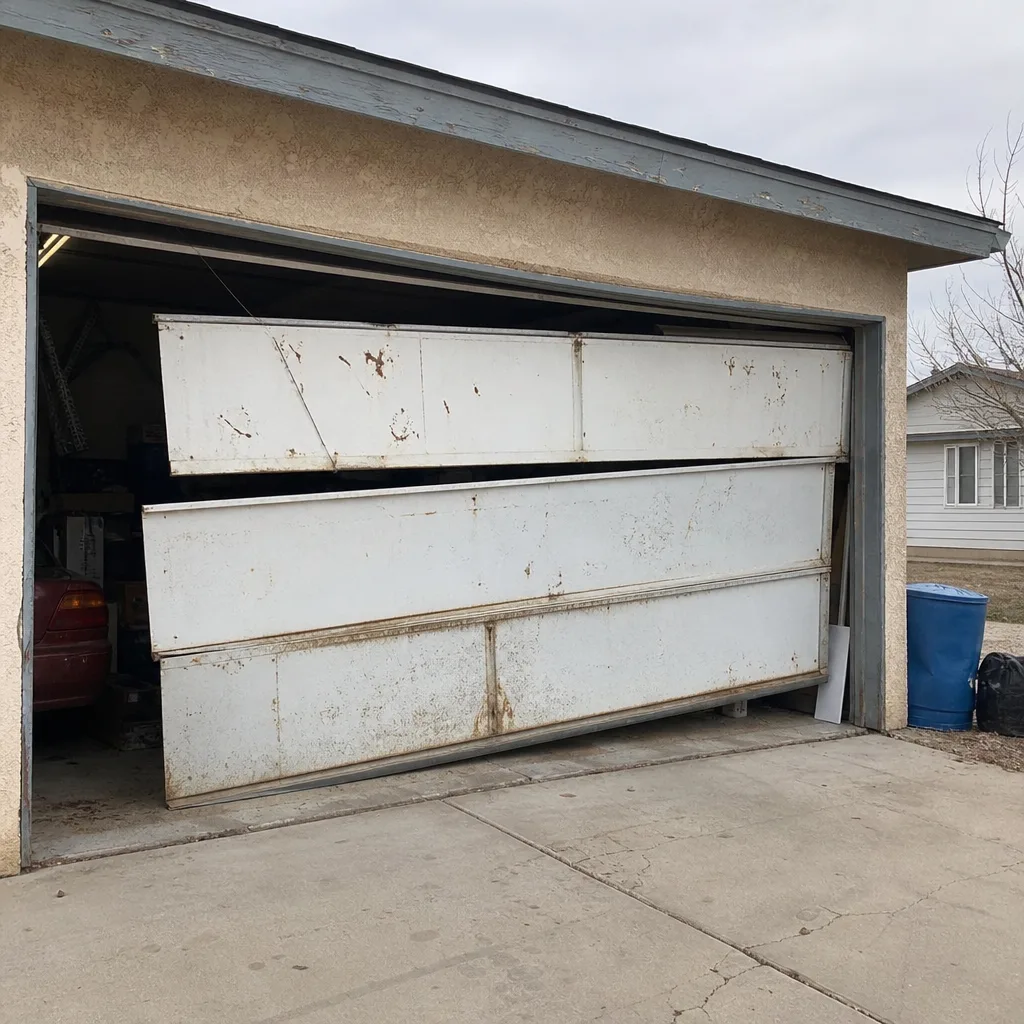 Before
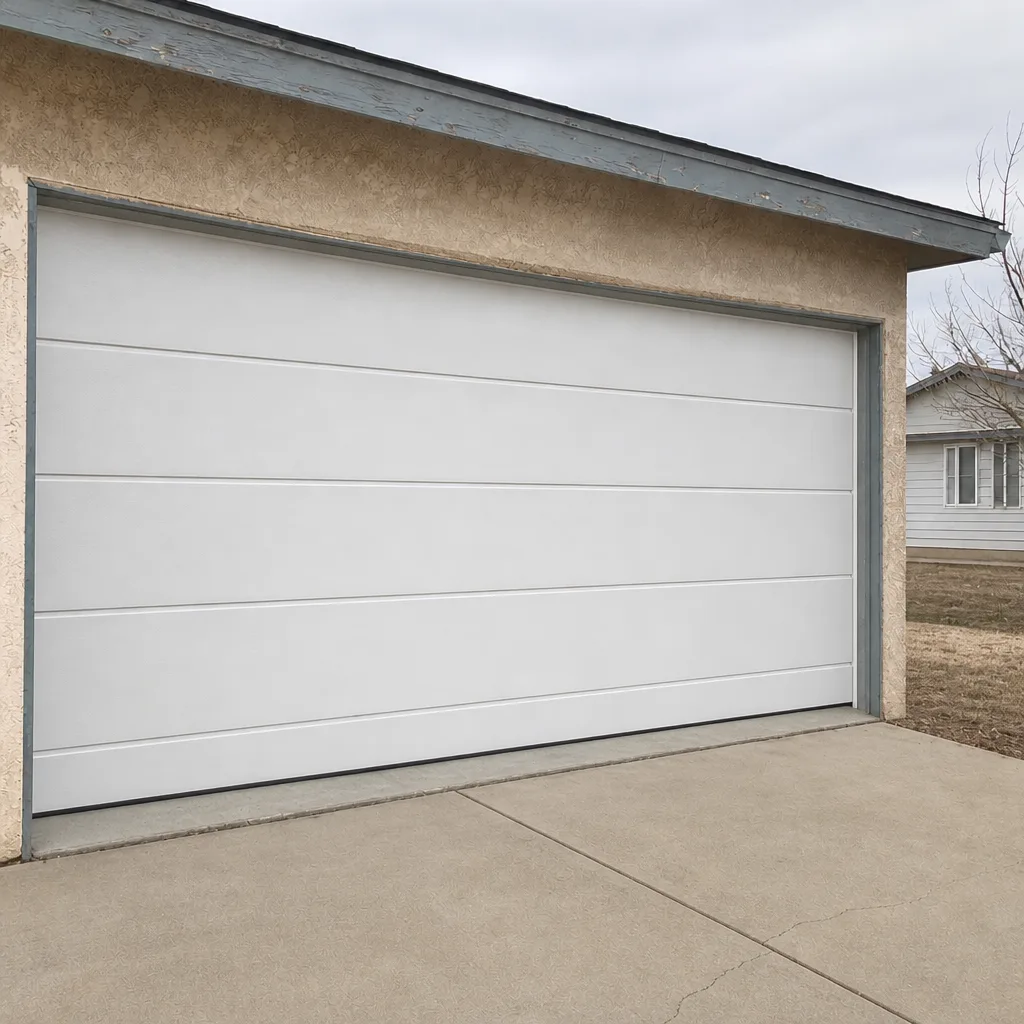 After
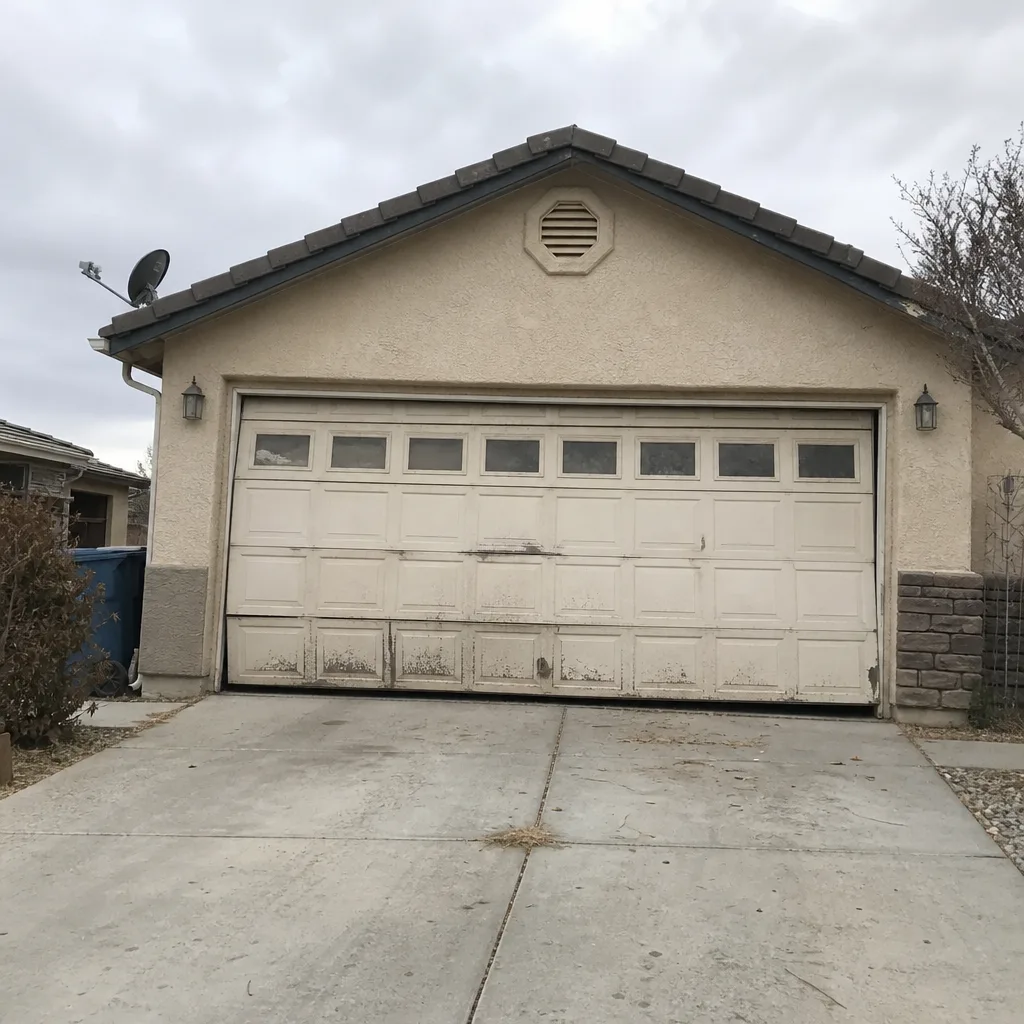 Before
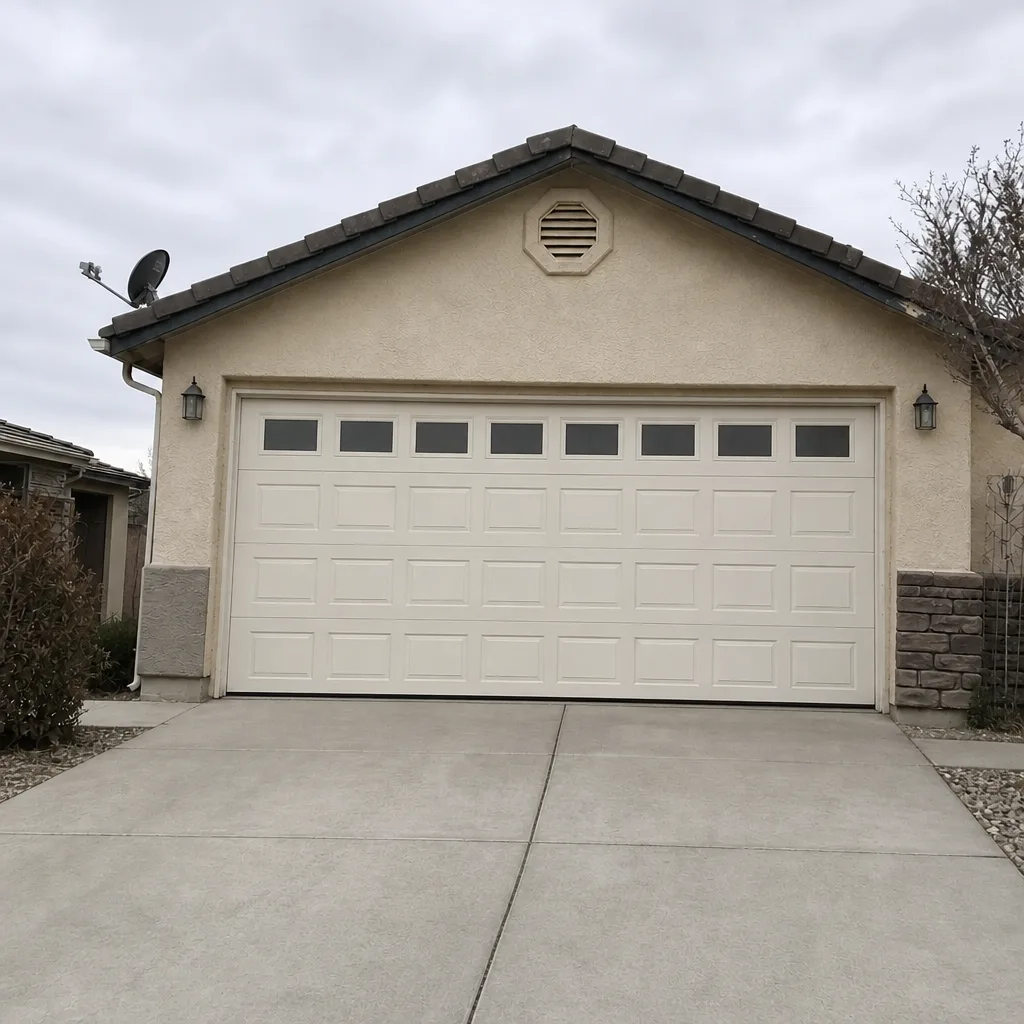 After
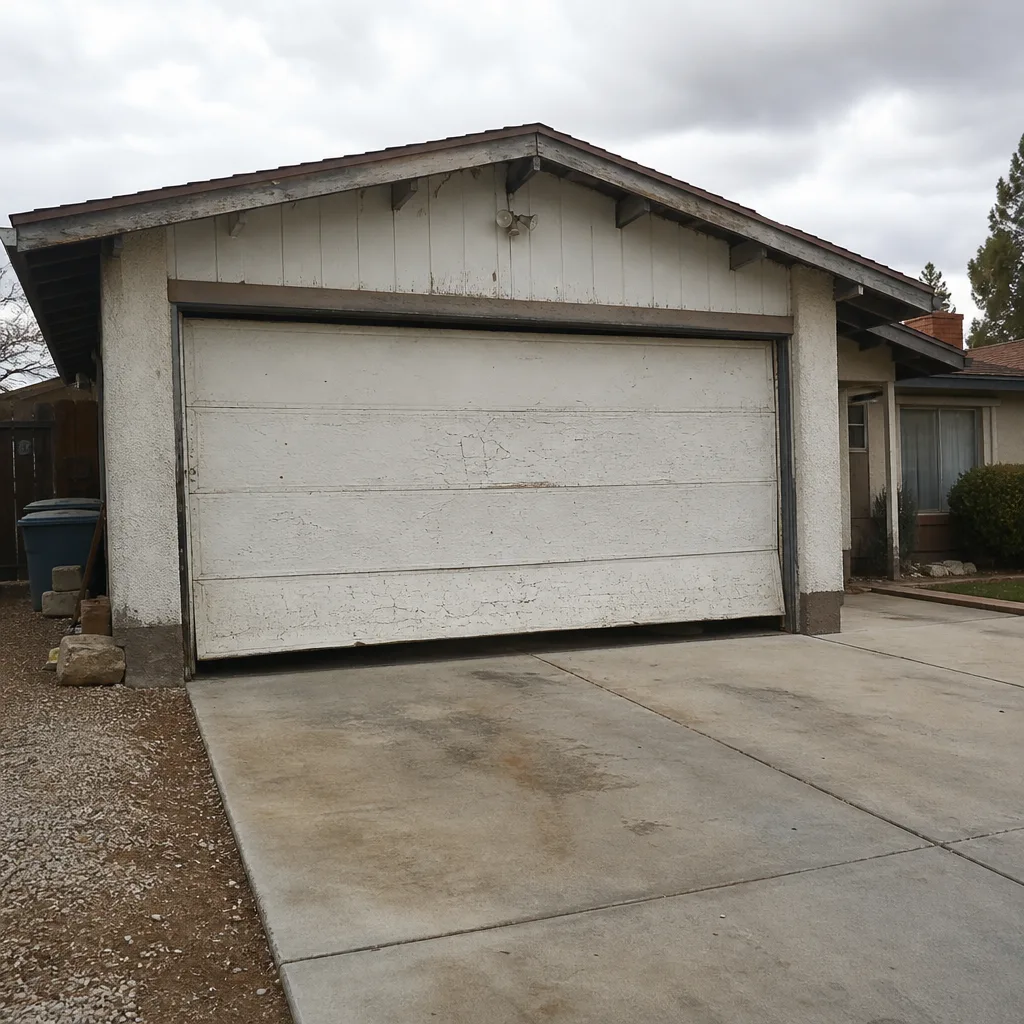 Before
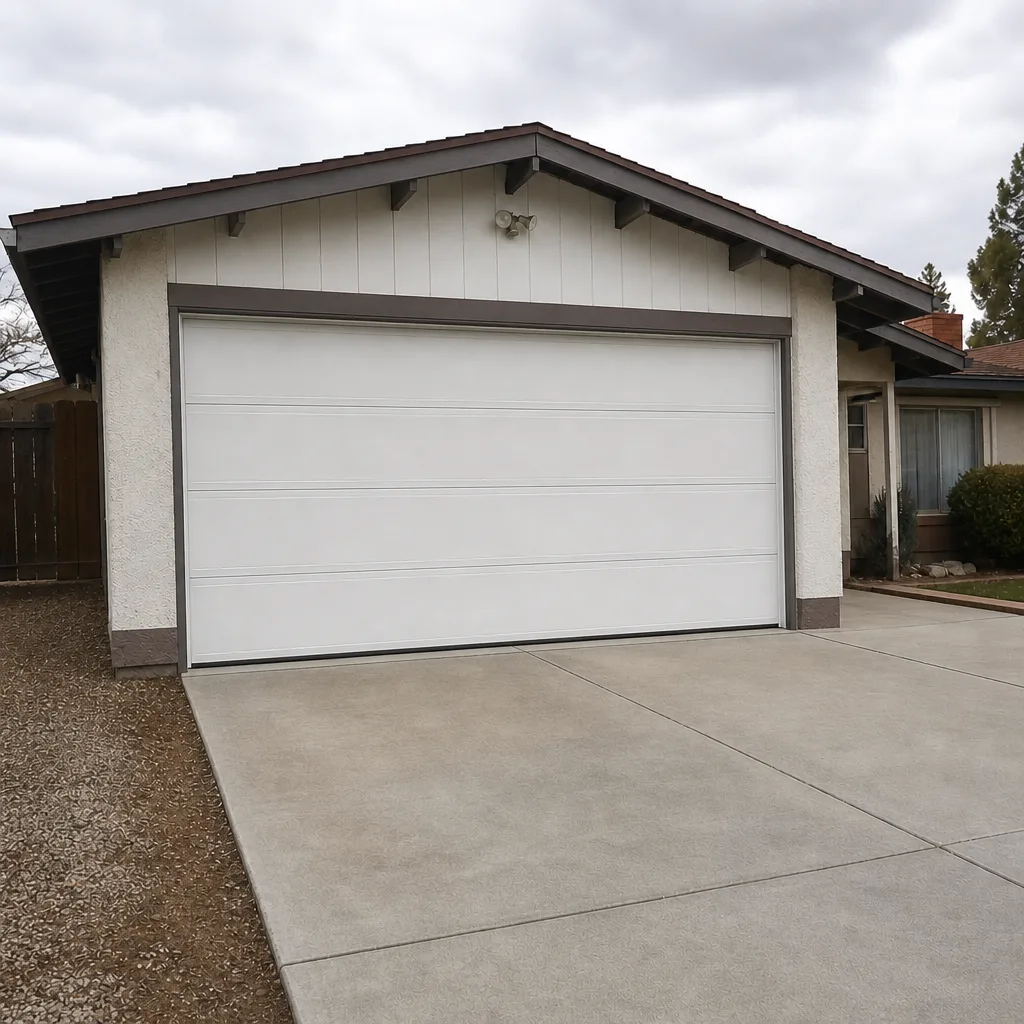 After
When to Call a Professional
If any of the signs above appeared during an install you’ve already had, or if you’re about to schedule one and want a written scope before committing, call us. Our technicians have up to 24 years of experience and are trained on eight major brands including LiftMaster, Chamberlain, Craftsman, and Raynor. Every visit comes with the Cedarwell Care Promise: a written price before any work starts, shoe covers and drop cloths inside the home, quiet tools during naps, and a photo of the clean-up before we leave. We also understand that pets and kids are part of the house – our technicians ask before moving a dog crate and use pet-safe products where there’s a choice. Fernbrook Garage Door Repair Mesquite offers free estimates in Mesquite – call (888) 255-7680.
Frequently Asked Questions
The earliest signs are procedural: tracks mounted without a level check, springs tensioned without counted turns, panels set without a floor-gap uniformity check, and no written price reviewed before work starts. These are all things you can observe in the first hour. If you see two or more of them on install day, pause and ask before the crew finishes. Call (888) 255-7680 for an inspection if the installation is already done – estimates are free.
No. A freshly installed door should open and close quietly, with a soft motor hum and the gentle roll of rollers on greased tracks. A grinding or scraping noise on the first test cycle is not break-in noise – it indicates a track alignment or roller problem that won’t resolve on its own. If your new door is making grinding noise in Mesquite, call us to have it checked. Call (888) 255-7680 – estimates are free.
You can’t always see it after the fact, but a wobble or rattle during operation in the first months is a strong sign. During the install, watch for a level and tape measure being used actively – if neither appears anywhere through the whole track-mounting phase, that’s the skip. If you’re seeing symptoms after the fact, call (888) 255-7680 to schedule a free assessment.
The written price pins down scope, materials, and warranty before anything is touched. It protects you from a surprise invoice at the end and it protects the crew from unclear expectations. Any crew that doesn’t present one before starting is signaling how they handle the rest of the job – and no price is worth that risk. At Fernbrook, a written price is delivered before work begins, every visit, no exceptions. Call (888) 255-7680 for a free estimate.
Usually not too late, and usually not a whole new door. Many poor installations can be corrected by re-leveling the tracks, re-tensioning the springs correctly, and adjusting the panel-to-floor gap – all work we handle in Mesquite. A damaged panel might need replacing, but the door itself is rarely a total loss. Call (888) 255-7680 and we’ll assess honestly – estimates are free.
Garage door repair and installation falls under general contractor licensing at the state level in Nevada, and a legitimate operator should be able to produce current licensing and insurance on request. Ask before booking – any reputable crew will have the documents ready. Our technicians are background-checked and uniformed, and every job is backed by the 365-Day Done Right Promise: if it’s not done right, we make it right. Call (888) 255-7680 to book.
The Bottom Line
The warning signs of a bad garage door installation aren’t the dramatic ones – they’re the small procedural skips that most homeowners wouldn’t think to notice. A missing level check, springs tensioned by feel, panels set without a floor-gap check, and no written price on the table before work starts. These are the signs that show up in the first hour and produce the failure six months later. Watch for them, ask calmly, and pause when something feels off. A careful crew expects the questions and answers them well, and a crew that doesn’t is telling you what the rest of the job will be like. If you’re in Mesquite and want a written price and a steady walk-through before installation begins, call Fernbrook Garage Door Repair Mesquite at (888) 255-7680 for a free estimate.
Written by the team at Fernbrook Garage Door Repair Mesquite.