
Last updated November 17, 2026
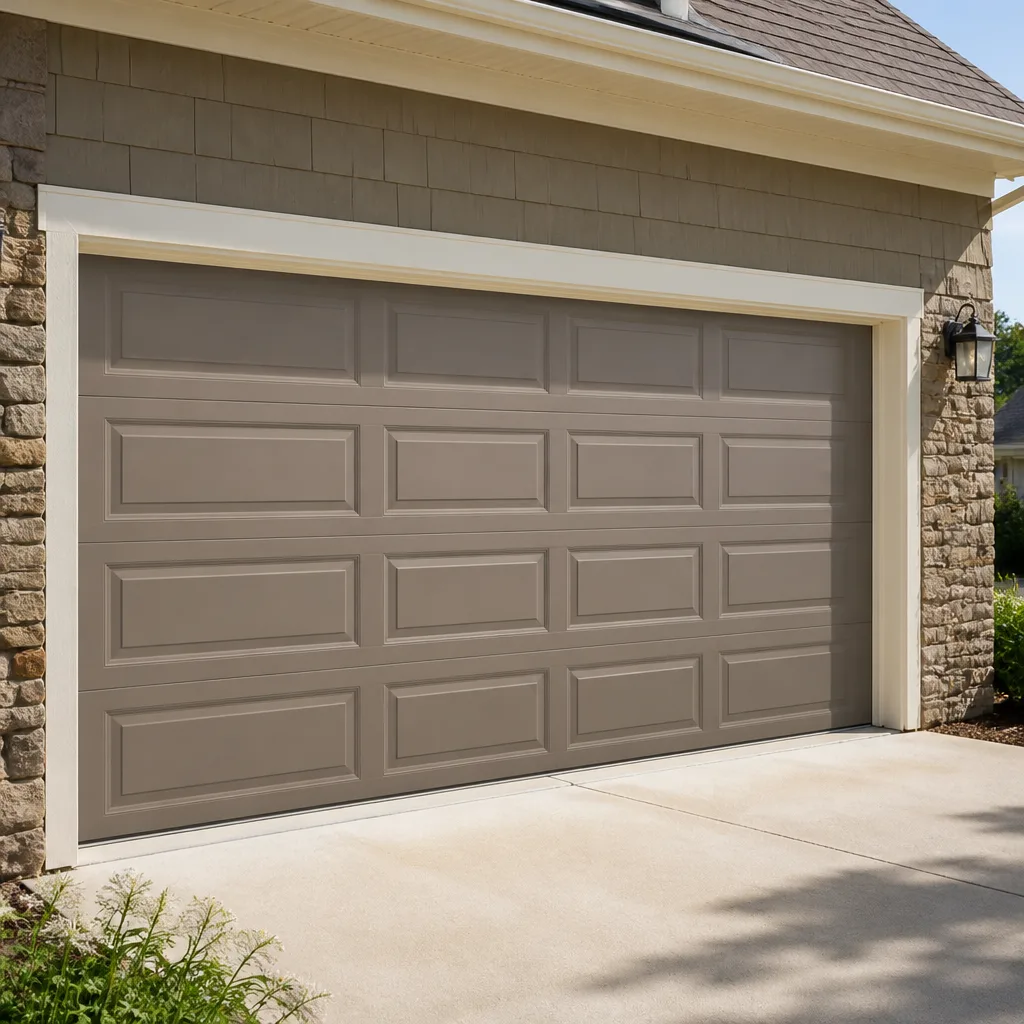 Raised-panel steel
 Carriage house
 Modern flush
 Full-view glass
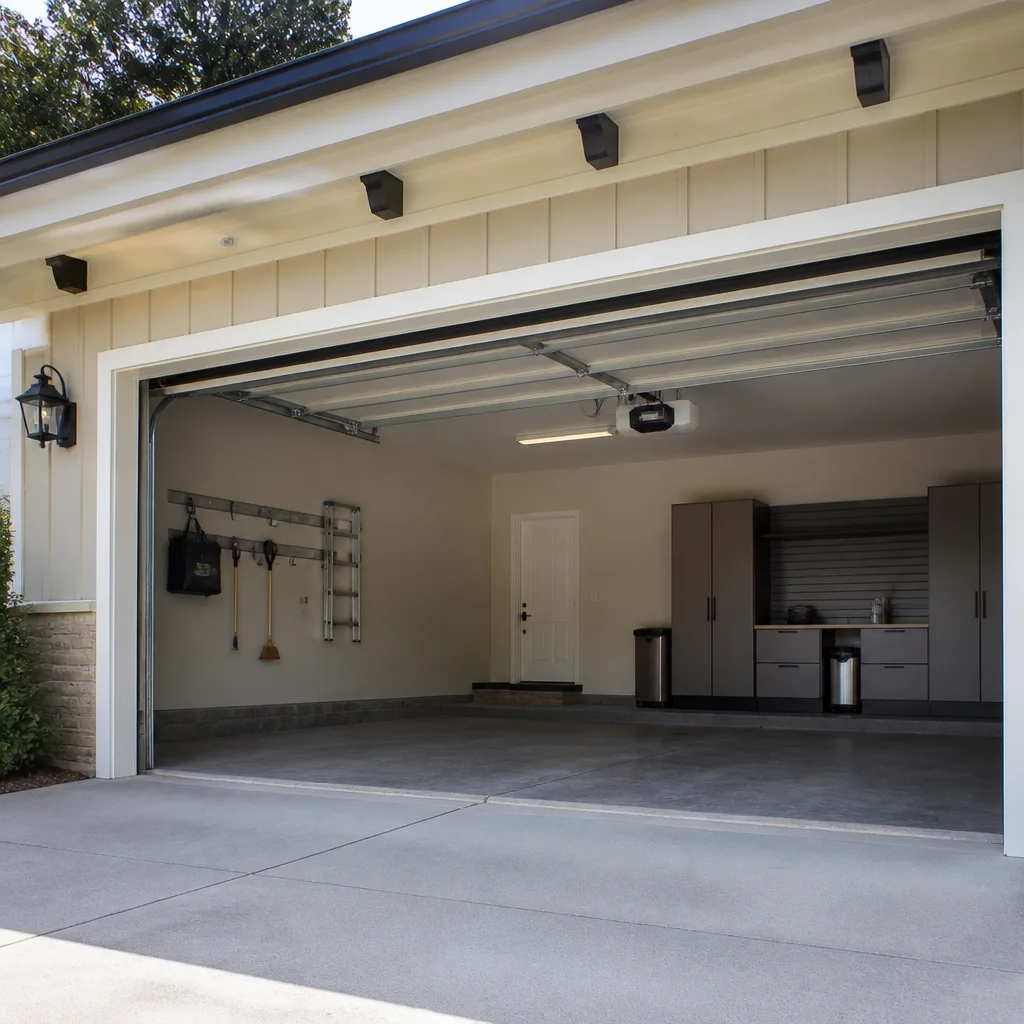 LiftMaster openers
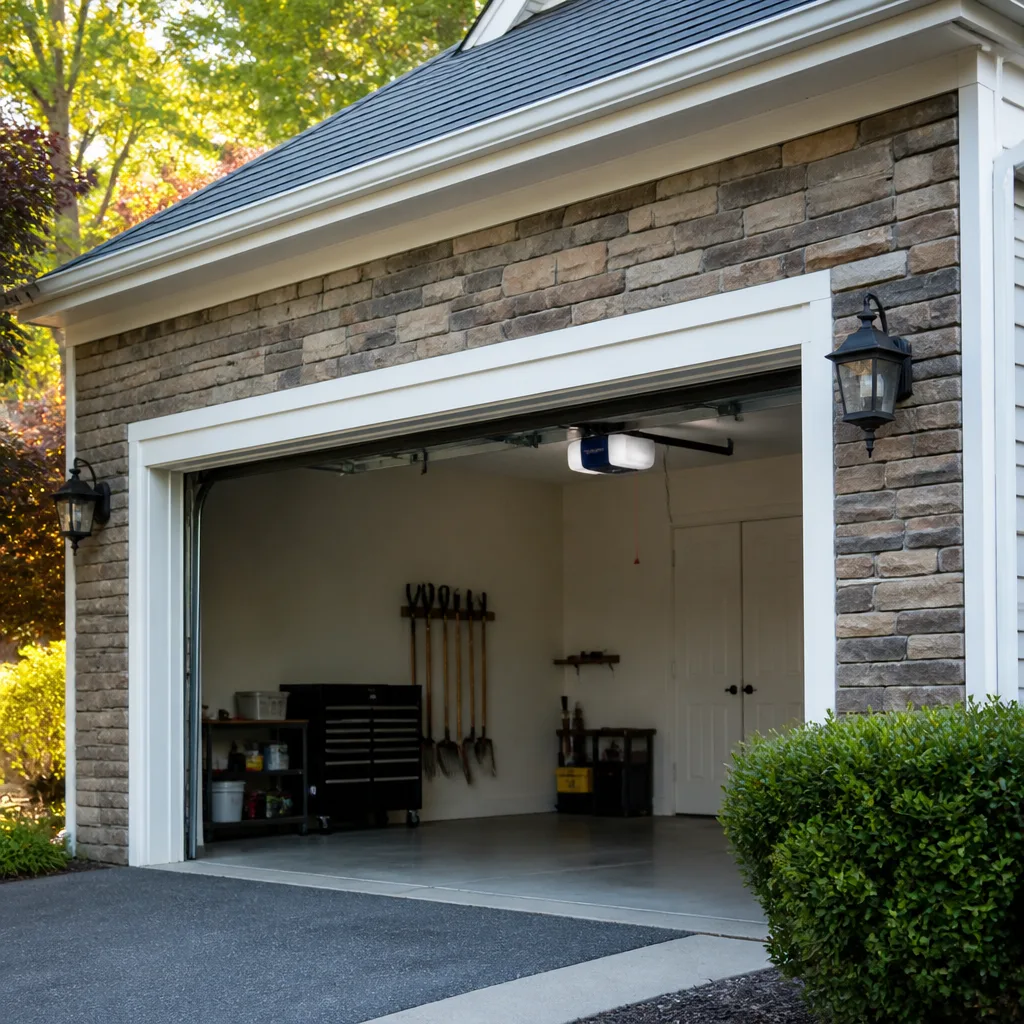 Chamberlain openers
Full 25-point door and opener safety check with every visit - springs, cables, rollers, tracks, and your LiftMaster or Chamberlain opener included
You get a price before we start. It does not change when the pro arrives.
Get your free estimateGarage Door Opener Repair Maintenance Schedule: What to Do and When
Lubricating the chain before you test the force settings is like mopping before you vacuum. The order undoes the work. Most homeowners do it backwards, and that’s part of why an opener that should last another decade starts sounding tired in year four. In Mesquite, where summer afternoons sit above 100°F for weeks and the dust never quite settles, the sequence matters more than it does almost anywhere else. This guide gives you a real month-by-month calendar, the specific products that survive Nevada heat, and the one spring check almost every other guide skips. You’ll finish knowing exactly what to do, and when.
Quick Answer
Test your opener’s force and safety-reverse settings first, then lubricate, then inspect. On a schedule, that means a full safety check in March and September, lubrication in April and October, and a quick visual inspection every month. In Mesquite’s heat cycle, the spring trolley carriage check every spring is the task that protects everything else. Your written price is agreed before any work begins on a repair visit, and live help is one call away at (888) 255-7680.
Styles & brands we work with
- Raised-panel steel
- Carriage house
- Modern flush
- Full-view glass
- LiftMaster openers
- Chamberlain openers
Table of Contents
- Why the Order of Maintenance Matters More Than the List
- The Month-by-Month Mesquite Calendar
- Step 1: Test Force and Sensitivity Before You Touch the Grease
- The Right Lubricant for Above 100°F
- The Spring Check Everyone Skips: The Trolley Carriage
- How to Log Maintenance With Photos and Dates
- Seasonal Adjustments for Desert Heat and Monsoon Dust
Why the Order of Maintenance Matters More Than the List
A garage door opener is a small motor pushing a heavy door along a metal track, and every part of that system talks to the others. When you lubricate a chain first, you add a slick coating that hides the stiffness a worn sprocket or a slightly bent rail would otherwise reveal. The opener still strains, but you’ve lost your chance to see it coming. Lubricate second, and the sound you hear afterward is the real sound of the mechanism. That’s the whole argument for order over tasks.
In our experience across Mesquite, the openers that fail early aren’t the ones that missed a lubrication session. They’re the ones where the force settings were never checked because the owner went straight to grease. A mis-calibrated opener can push a door against an obstruction with far more force than the safety standard allows, and it will do it quietly for years. Testing first means you’re measuring the machine as it actually is, not the machine softened up by fresh oil.
Sequence also saves money. When you check force and safety-reverse first, a repair you catch in March is a small adjustment. The same wear caught in August, after a hot summer of strain, is often a gear, a capacitor, or a control board. Families who keep the order tend to spend less on Garage Door Repair in Mesquite over the life of the door.
The rule to remember: test, then lubricate, then inspect, then log. Every month. Same order, every time.
The Month-by-Month Mesquite Calendar
Here’s the calendar we hand to homeowners. It’s built around Mesquite’s actual weather: mild winters, a brutal June through September, and two dust-and-wind transitions in spring and fall that push grit into every moving part. Adjust the dates a week either way to suit your household. What matters is that each task happens in the right season.
- January: Full safety check (force, safety-reverse, photo-eye alignment). Lubricate hinges, rollers, and springs. Listen for new sounds on the first cold morning.
- February: Inspect the belt or chain for slack. Tighten hardware on the rail brackets. Check the manual release cord for fraying.
- March: Spring safety check, then the trolley carriage inspection (see the section below). This is the single most important month in Mesquite’s calendar.
- April: Lubricate after the March inspection. Test the wall control and remotes. Clean the photo-eye lenses of spring dust.
- May: Pre-summer tune-up. Verify the door balances by hand with the opener disengaged. Check weather seals before the heat locks them in.
- June: Light lubrication only. Watch for heat-related sluggishness and check that the motor isn’t overheating in an unventilated garage.
- July: Visual inspection only. No lubrication, no force adjustments in peak heat. Listen and log.
- August: Same as July. If the door sounds rough in August, that’s a September repair, not a summer fix.
- September: Second full safety check. Lubricate the moving parts after the summer strain. This is when we see the year’s second wave of spring and opener problems.
- October: Deep lubrication pass. Inspect rollers for flat spots. Clear tracks of monsoon dust.
- November: Hardware torque check. Test all safety features again before holiday travel.
- December: Monthly look-over and log entry. Note anything to schedule for the January service.
That’s twelve touchpoints, but most take less than fifteen minutes. The big ones are March and September.
Step 1: Test Force and Sensitivity Before You Touch the Grease
Force and safety-reverse are the two settings that decide whether your opener stops when it meets a child, a dog, or a bike. Testing them is a five-minute job, and doing it before lubrication keeps the reading honest. Here’s how it works. We’re describing the test, not the repair, because adjusting force limits on some models is a job for a trained technician.
- With the door closed, pull the manual release cord to disengage the opener from the door. The door should lift by hand with steady, even effort.
- Re-engage the carriage, then run the door closed. Place a small, soft object (a folded towel or a roll of paper towels) on the ground where the door will meet it.
- When the door contacts the object, it should reverse within about two seconds. If it presses down, the sensitivity needs attention.
- Walk the photo-eye path with your foot. Both lenses should be clean and the beam should break cleanly, stopping the door.
- Note the sound and speed on the way up and the way down. Write it in your log with the date.
If the door fails the reverse test, stop using it and call. That’s not a lubrication problem, and no amount of grease fixes a force setting.
The Right Lubricant for Above 100°F
This is where most store-bought advice falls apart in Mesquite. A general-purpose household oil that feels fine in a cool garage turns thin and migrates at 110°F, and a thick all-purpose grease that works in Minnesota gums up into a sticky paste in Nevada heat. The wrong product doesn’t just fail to help. It collects dust, stiffens the chain, and makes the next inspection harder to read.
What holds up:
- White lithium grease (in a spray): Good for hinges, springs, and the bearing plates. It stays put on vertical surfaces and holds its consistency in summer heat.
- Silicone-based spray: The right choice for the tracks and the rollers. It doesn’t attract dust the way oil does, which matters when the wind comes through.
- Purpose-made chain and rail lubricant: Look for products labeled for overhead garage doors. They’re formulated for the temperature swing, not for a household hinge.
What to avoid: WD-40 as a long-term lubricant (it’s a solvent, not a grease, and it will strip existing lubrication), cooking oil or motor oil (both gum up in the heat and attract grit), and heavy bearing grease on the chain (it collects everything and turns into a paste).
Whatever you use, apply it in April or October, never in July. A lubricant applied in peak heat doesn’t settle into the joints the same way, and it often runs off the chain before it does its job.
The Spring Check Everyone Skips: The Trolley Carriage
The trolley carriage is the small metal piece where the opener’s arm connects to the door. It rides along the rail, and it takes a beating. Every time the door opens or closes, that carriage absorbs the starting jolt and the stopping torque. Most maintenance guides never mention it, which is why we see hairline cracks in the carriage on doors that were otherwise carefully maintained.
The check matters most each spring, because the previous summer’s heat cycles have stressed the metal and the seasonal dust has worked into the carriage’s pivot points. Here’s what a homeowner can do without touching anything dangerous:
- With the door closed, look at the carriage where the arm attaches. Clean the surface with a dry cloth if it’s dusty.
- Look for fine lines in the metal. A hairline crack is thin, dark, and doesn’t wipe away.
- Gently wiggle the arm where it meets the carriage. A little play is normal. A wobble is not.
- Check the bolt that holds the arm in place. If it’s loose, don’t overtighten it yourself. Note it and ask a technician to torque it correctly.
Cracks in the carriage are a real safety issue because a failure can drop the door’s connection to the opener mid-travel. If you see one, disengage the opener and call us. Garage Door Spring Repair in Mesquite covers the springs nearby, and the same technicians handle the carriage and rail while they’re on site.
How to Log Maintenance With Photos and Dates
The single fastest way to save money on future repairs is a photo-and-date log. A technician arriving at a door with history spends less time diagnosing and more time fixing. It also removes the guesswork from the question “did we already do this?”
Here’s the method we recommend to homeowners:
- Pick one spot on the wall inside the garage. Tape a small envelope there for printed photos, or use a shared phone album labeled with your address.
- Every month, take three photos: the opener unit with the date showing on your phone’s screen, the trolley carriage, and the door in the closed position.
- Write one line in a small notebook: date, task performed, and one word for the sound (“quiet,” “rattled,” “grinding”).
- When you or a technician does a full safety check, add a photo of the force setting and the serial plate.
- Keep every repair receipt in the same envelope.
Two minutes a month. When a problem shows up, the log tells you exactly when it started, and a technician can see at a glance whether the pattern is seasonal or new. It’s the cheapest diagnostic tool you own.
If you ever sell the home, the log is also a small proof point to the buyer, especially on a property where the door is a Craftsman or Wayne Dalton unit with a long service record.
Seasonal Adjustments for Desert Heat and Monsoon Dust
Mesquite has a maintenance profile that most generic schedules ignore. Our summers push the opener motor to work harder for the same door, because every part of the mechanism expands slightly in the heat. Our spring and fall winds carry fine dust that finds its way into tracks, rollers, and the photo-eye housing. And our mild winters mean there’s no hard freeze to reset the dust, so it accumulates all year.
What that means in practice:
- June through August: Reduce lubrication to a single light pass in June or skip it entirely. In peak heat, add a visual inspection instead. If the garage isn’t ventilated, the motor runs hotter, and a struggling opener in July is often a struggling opener, not a lubrication problem.
- Spring wind season: Clean the photo-eye lenses and the tracks with a dry cloth after the first big dust event. Grit in the rollers causes the same symptoms as worn rollers.
- Fall transition: The first cool week is the best window all year to lubricate, torque hardware, and do the full safety check. The parts are at their natural size and the lubricant settles correctly.
- Winter: The mild Mesquite winter is the easiest time to spot the wear you missed. Cold mornings make a stiff roller or a dry hinge obvious.
One more local note: if your garage faces west and gets the full afternoon sun, the door panel and springs on that side see more thermal stress than the rest of the door. A Clopay or Amarr steel door handles it, but the springs and hinges on that side will age a little faster than the shaded side. Watch them first.
If you’re planning a bigger change, like replacing a door that’s reached the end of its life, our Garage Door Installation in Mesquite page walks through the options that hold up to this climate.
Common Mistakes to Avoid
- Lubricating before testing force and safety-reverse. Fresh grease hides the stiffness that tells you the force settings are drifting. Test first, then lubricate.
- Using a general household oil in summer. In Mesquite heat it thins, migrates, and collects dust. Use silicone for tracks and rollers, white lithium for springs and hinges.
- Skipping the trolley carriage every spring. It’s the most fatigue-prone part of the system and almost nobody checks it. A hairline crack there is a call-right-now issue.
- Adjusting force limits yourself. Sounds harmless, isn’t. The safety-reverse standard exists because a door under excess force can injure a person or a pet. Set it back to spec with a trained technician.
- Wrenching on the springs. Torsion springs carry enough stored energy to cause serious injury. Don’t touch them, don’t spray them while the door is under tension unless you know what you’re doing, and don’t loosen the set screws. This is the one task where we always recommend a professional.
- Skipping the log after a repair. The receipt and the photo of the new part are the most useful thing in your maintenance file. Keep them.
- Ignoring a change in sound. A door that starts rattling in August is telling you something. Log it, then act on it in September.
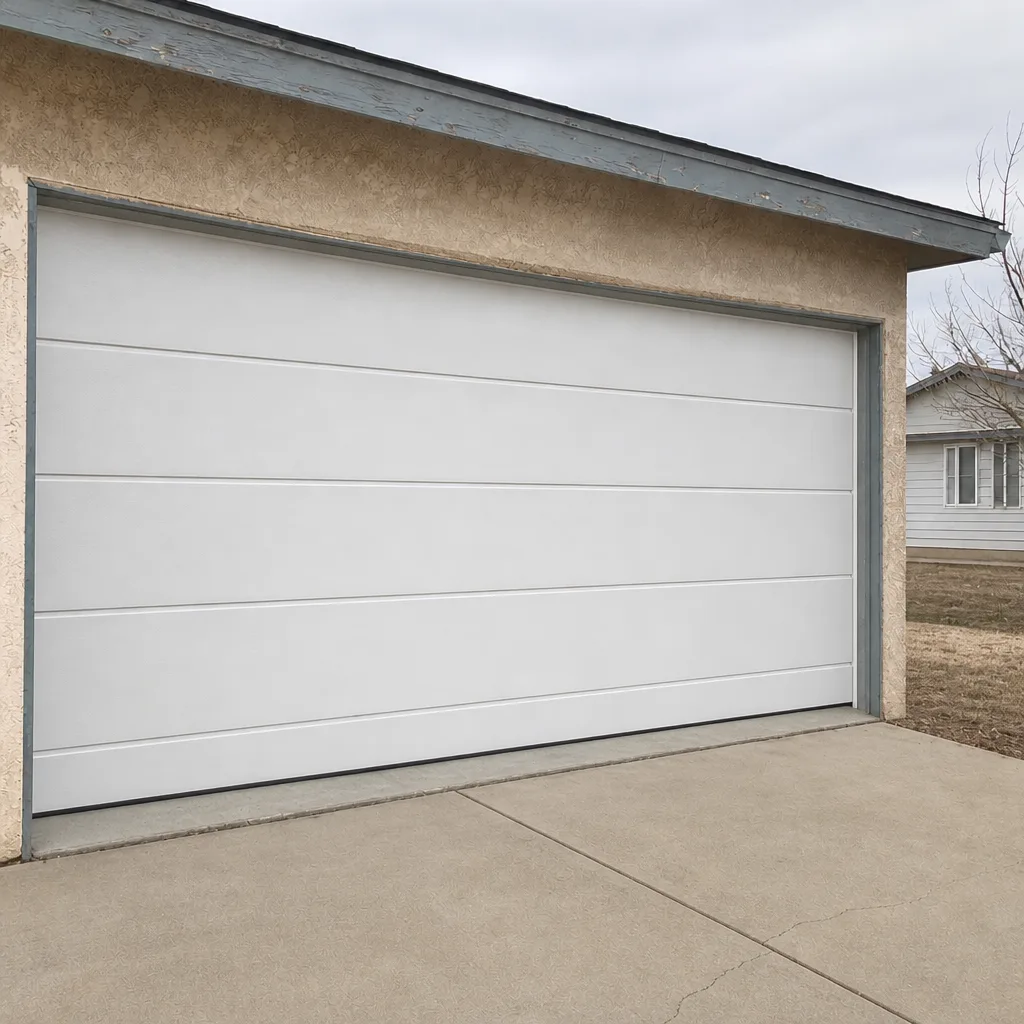
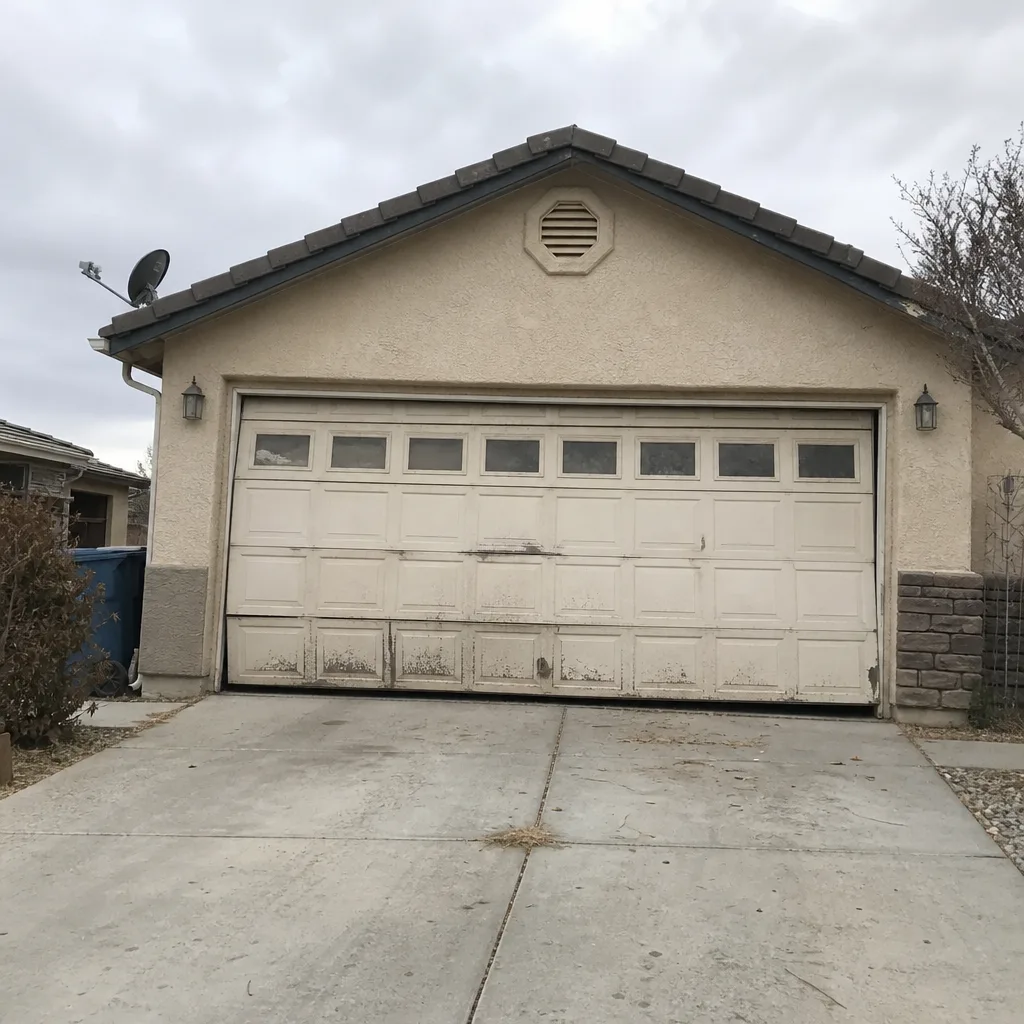
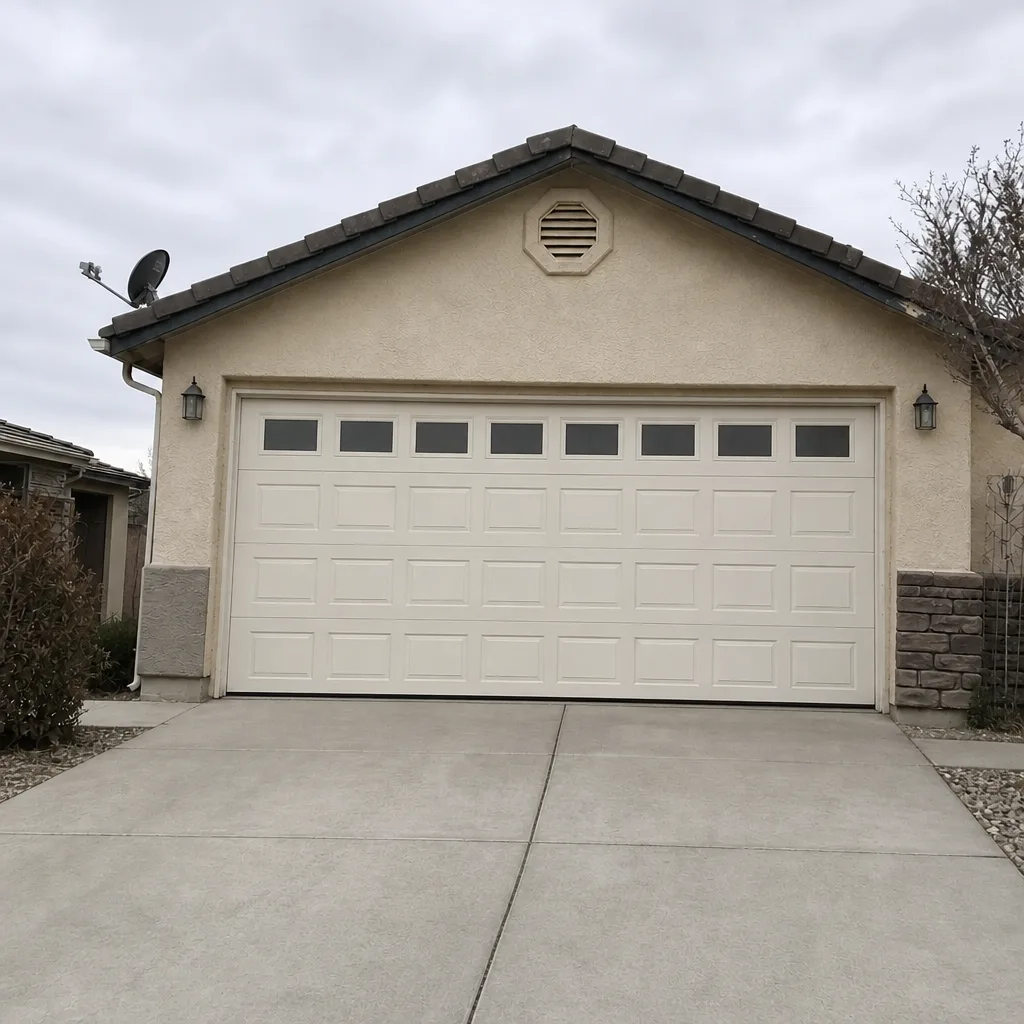
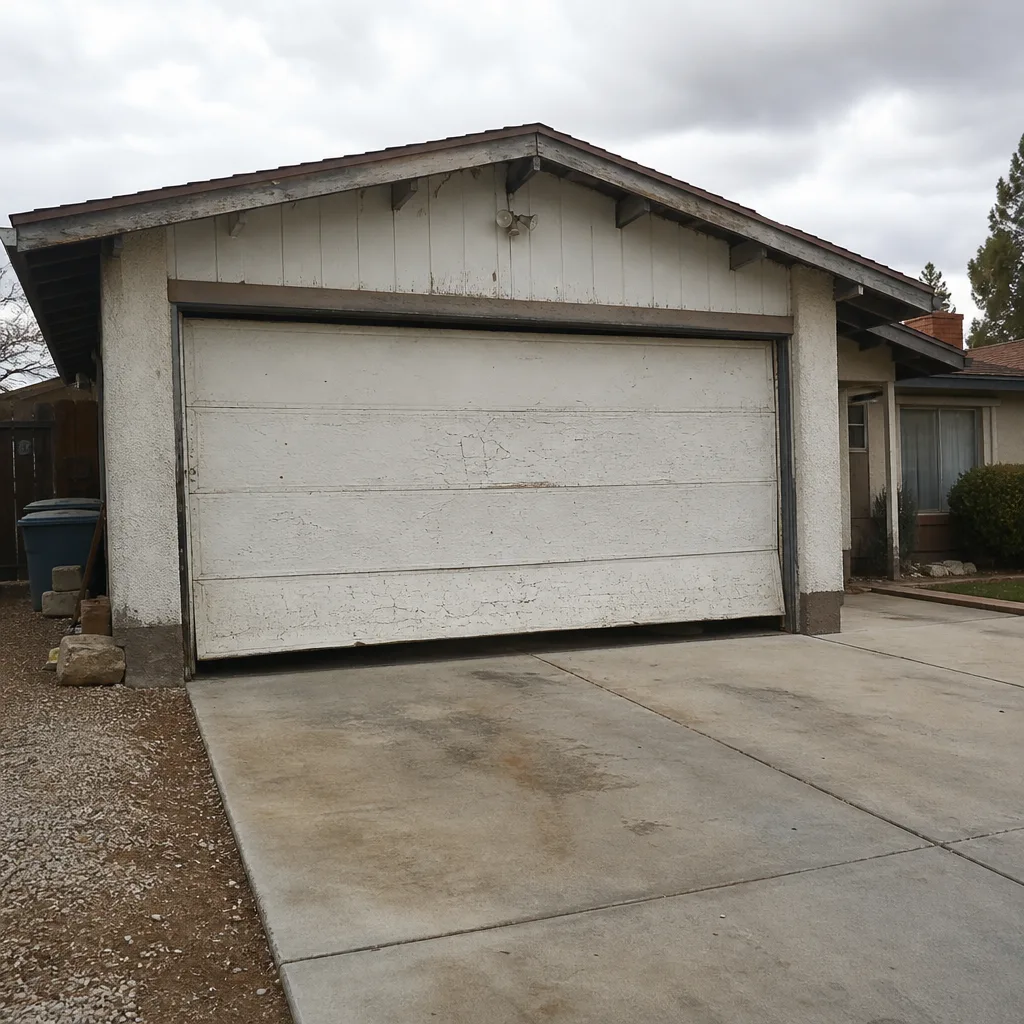
See the difference
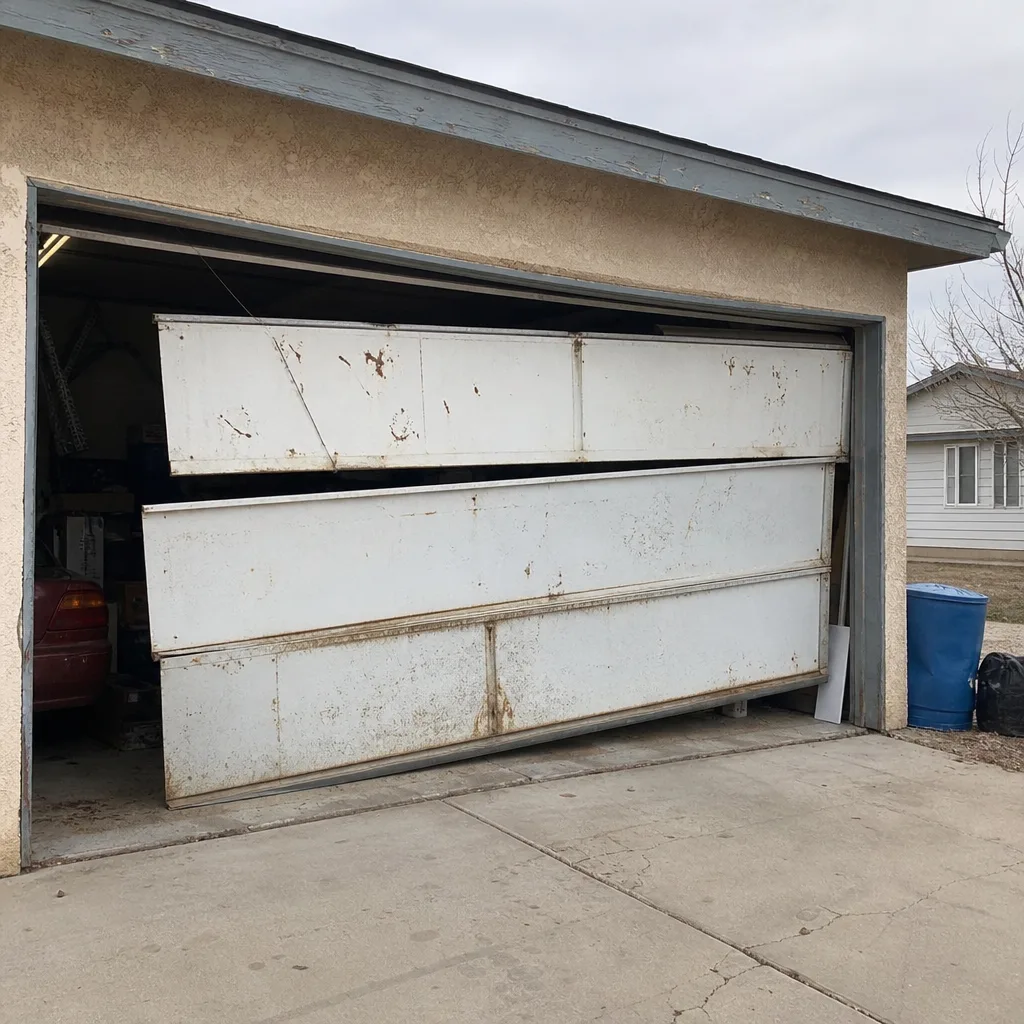 Before
 After
 Before
 After
 Before
 After
When to Call a Professional
Most of the tasks in this guide are home-safe: testing, wiping, spraying, looking. Some aren’t. Call us when you see a hairline crack in the trolley carriage, when the door fails the safety-reverse test, when a spring looks corroded or the door won’t balance by hand, or when the opener’s motor hums but the door doesn’t move. Also call if the door has started moving unevenly, if the photo-eye beam won’t hold, or if you’re hearing a grinding sound that lubrication didn’t quiet. Fernbrook Garage Door Repair Mesquite offers free estimates in Mesquite – call (888) 255-7680. Live help answers 24 hours a day, and a written price is presented before any work begins.
Frequently Asked Questions
Do a quick visual check every month, a full safety test in March and September, and a lubrication pass in April and October. In Mesquite’s heat, the March and September checks matter most because they catch the wear the summer and winter cycles create. Call (888) 255-7680 for an exact quote on a full tune-up – estimates are free.
Because lubrication hides the stiffness that tells you the force settings are off. Test on the dry mechanism, then lubricate, and the reading reflects the real condition of the opener. If the safety-reverse fails, stop using the door and call (888) 255-7680.
Silicone spray for tracks and rollers, white lithium grease for hinges and springs, and a chain lubricant rated for overhead doors. Avoid WD-40 as a long-term lubricant, and avoid motor oil or cooking oil, which gum up in the heat. If you’d rather we handle it, call (888) 255-7680.
Three signs point to failure rather than dryness: the motor hums without the door moving, the door reverses without an obstruction, or the sound is a grind rather than a rattle. Log the date and pattern, then get it looked at. Call (888) 255-7680 for a free estimate.
No. It’s the part most guides skip and one of the most fatigue-prone in the system. A hairline crack there can disconnect the door from the opener mid-travel. Check it every spring. If you find a crack, call (888) 255-7680 before using the door.
Our technicians are trained on LiftMaster, Chamberlain, Genie, Clopay, Amarr, Wayne Dalton, Craftsman, and Raynor units, among others. Call (888) 255-7680 and tell us the model – we’ll confirm before we schedule.
The Bottom Line
Maintenance works best when the order is right: test, lubricate, inspect, log, every month. Do the heavy checks in March and September, the lubrication in April and October, and the visual passes in between. Use products that hold up above 100°F, skip the grease in peak heat, and never skip the trolley carriage in spring. Keep the photo-and-date log. If something fails the safety test, or the carriage cracks, call a professional. For the home in general, our Fernbrook Garage Door Repair Mesquite home page has the full list of services and the Cedarwell Care Promise. Call (888) 255-7680 for a free estimate – live help answers 24 hours a day, shoe covers and drop cloths are standard on every visit, and your written price is agreed before any work begins.
Written by the team at Fernbrook Garage Door Repair Mesquite.