
Last updated November 17, 2026
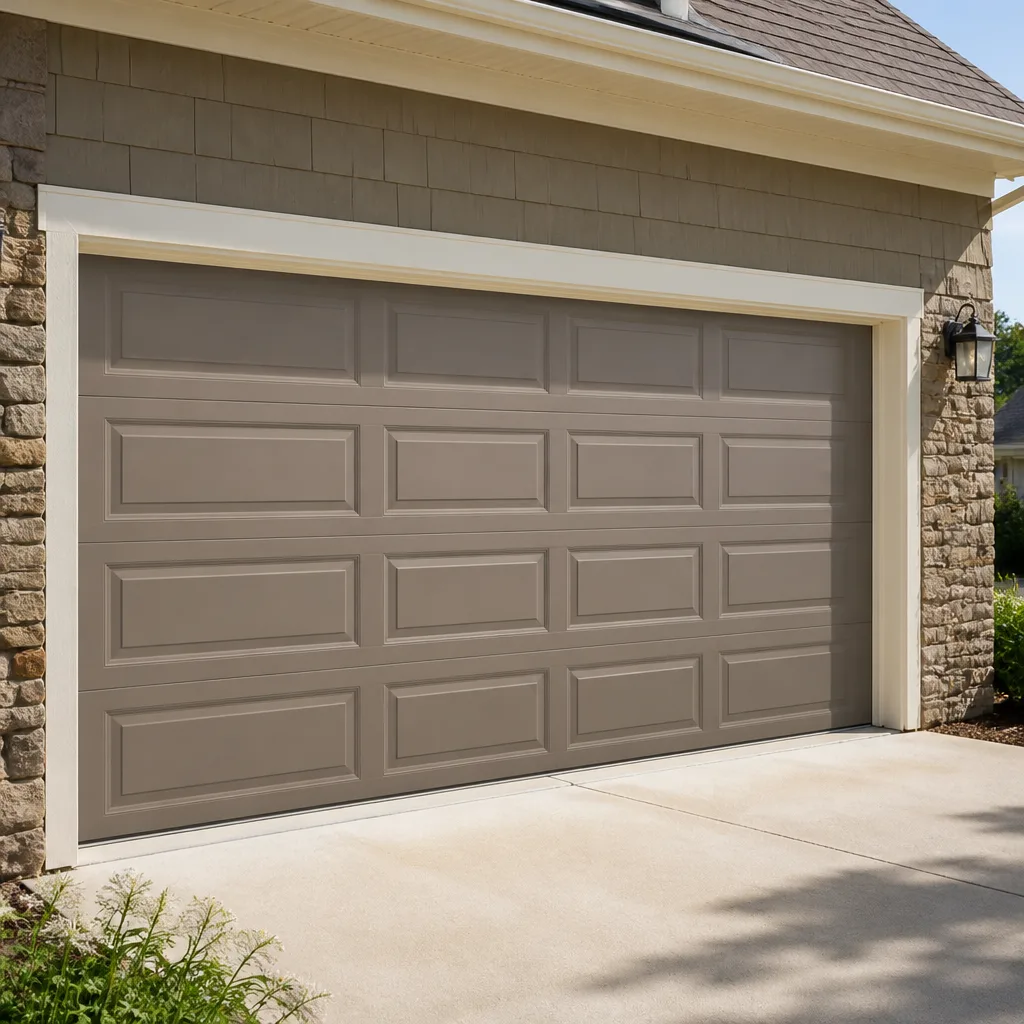 Raised-panel steel
 Carriage house
 Modern flush
 Full-view glass
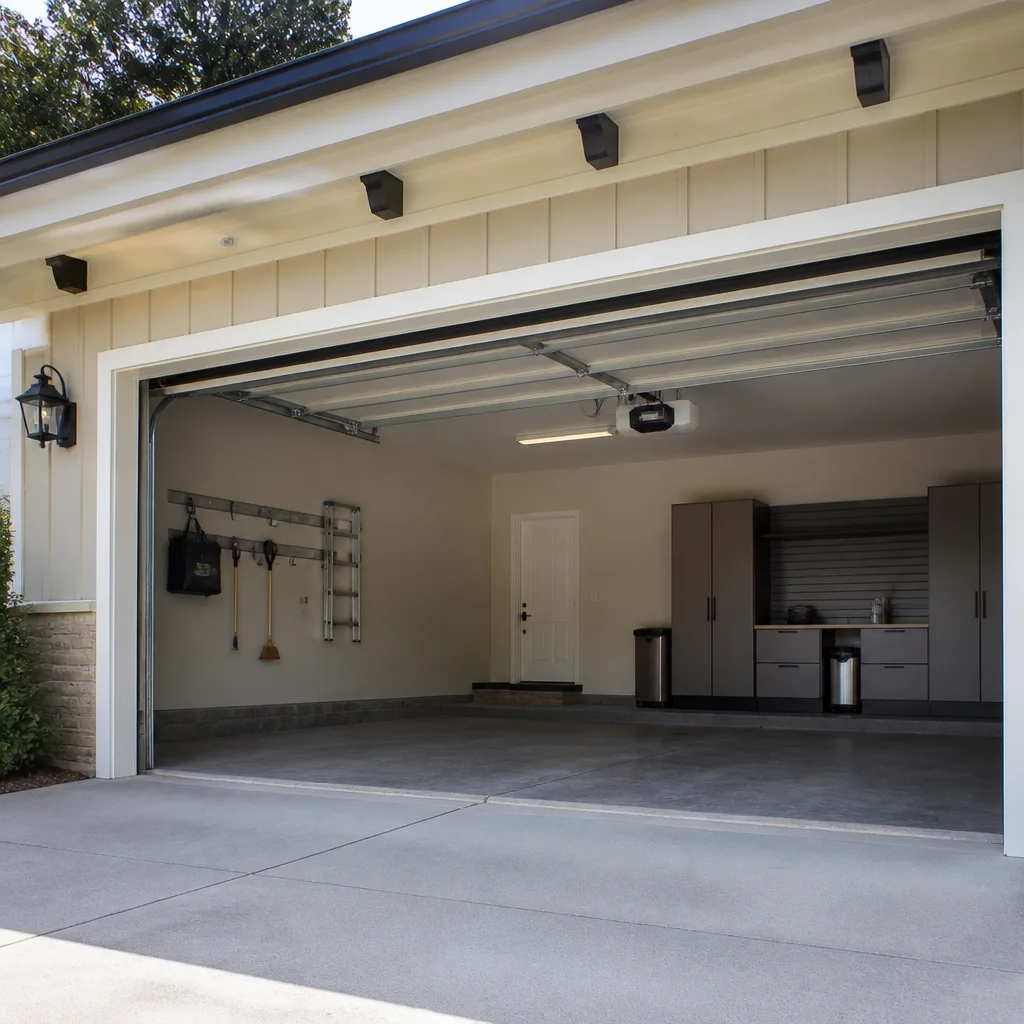 LiftMaster openers
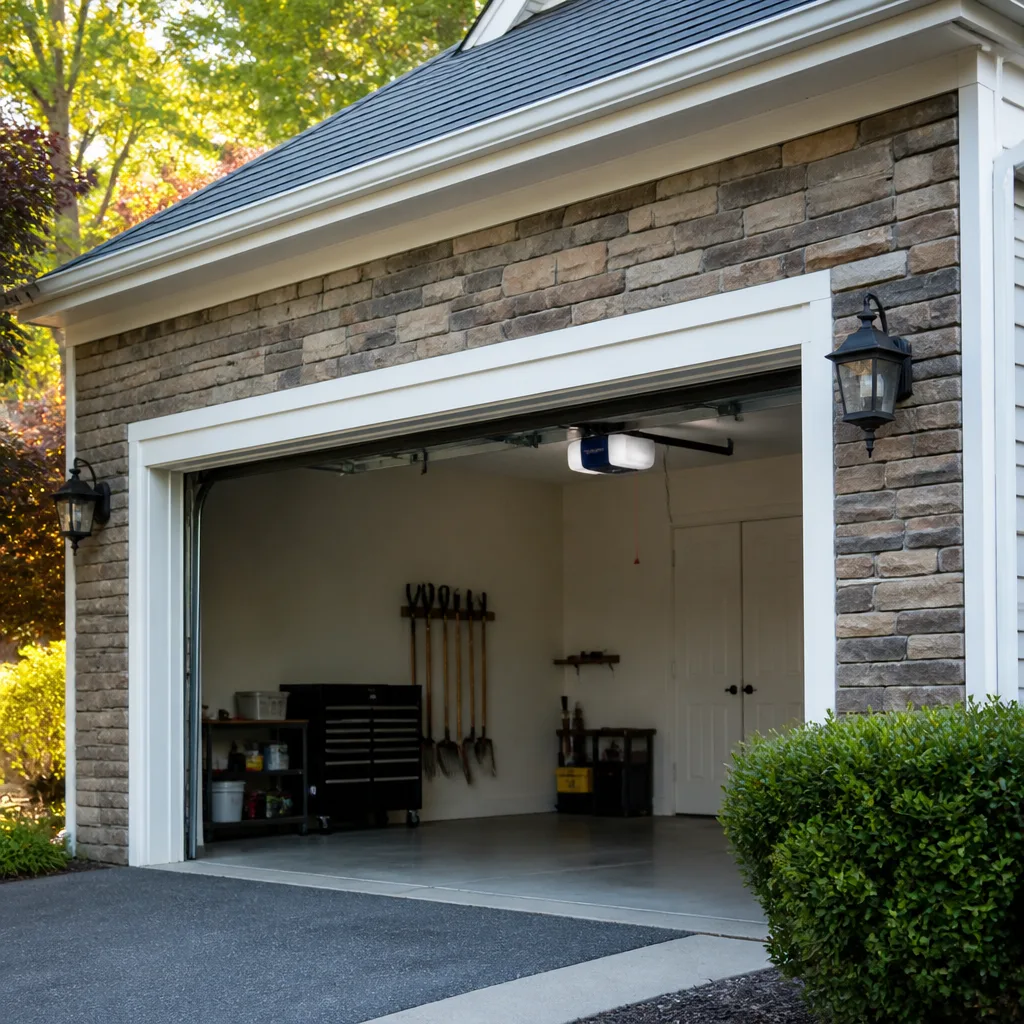 Chamberlain openers
Full 25-point door and opener safety check with every visit - springs, cables, rollers, tracks, and your LiftMaster or Chamberlain opener included
You get a price before we start. It does not change when the pro arrives.
Get your free estimateGarage Door Permits, Codes & Inspections in NV: What You Need to Know
Here’s the gap we run into most: a homeowner in Nevada signs off on a garage door replacement, the door goes up, everyone is happy, and nobody ever mentions that the work touched something the county considers a structural opening. The trouble surfaces months or years later, often during an insurance claim or a home sale. For most families in Mesquite, the paperwork matters less than the door opening quietly before school. But when a project crosses the line from repair into new construction, understanding Nevada permits and Clark County code stops being abstract and starts protecting your home. This guide walks through when a permit is required, who pulls it, how the inspection works, and the questions that keep permit responsibility from landing silently on you.
Quick Answer
In Nevada, replacing a garage door on an existing opening typically does not require a permit, but adding a new opening, widening or altering an existing one, or changing the structure around it usually does. In Clark County, which includes Mesquite, the homeowner is legally responsible for the permit even if a contractor handles the paperwork. Repairing springs, cables, rollers, or an opener is generally considered maintenance, not permitting work, while framing and structural changes are not.
Styles & brands we work with
- Raised-panel steel
- Carriage house
- Modern flush
- Full-view glass
- LiftMaster openers
- Chamberlain openers
Table of Contents
- When does a garage door project need a permit in Nevada?
- How the permit process works in Clark County and Mesquite
- Who is responsible for pulling the permit?
- What happens to an insurance claim if the work was unpermitted?
- Code-compliant vs. manufacturer-compliant installations
- What a garage door inspection actually looks at
- Questions to ask a contractor before signing
- Nevada climate and how it affects long-term code performance
When does a garage door project need a permit in Nevada?
The practical line is between changing a door and changing the opening. Swapping a worn door for a new one of the same size on the same framed opening is treated as a fixture replacement in most Nevada jurisdictions, and that is the work most families in Mesquite actually need. The rules tighten the moment the project touches the building’s structure or the opening’s dimensions.
Projects that usually trigger a permit in Nevada:
- Cutting a new garage opening into an exterior wall
- Widening or raising an existing opening, which changes the header and load path
- Converting a carport to an enclosed garage, or a garage to living space
- Adding a new door operator on a commercial or mixed-use property
- Framing, removing a load-bearing wall, or moving electrical for a new opener circuit
- Changing a door’s fire rating on an attached garage that shares a wall with the house
Work that typically does not need a permit:
- Replacing springs, cables, rollers, hinges, or tracks
- Replacing a garage door opener with a same-function unit on existing wiring
- Replacing the door panel on the same opening with a like-sized door
- Routine adjustments, lubrication, and safety-reverse testing
The distinction sounds clean on paper. In practice, homeowners often get a verbal “you don’t need a permit for that” when the job does cross the line. If a contractor is about to widen an opening, add a header, or pull new electrical, ask for the permit path in writing before the first cut. We handle Garage Door Installation in Mesquite regularly, and the measure comes before the paperwork question every time for exactly this reason.
Does Mesquite follow Clark County permit rules?
Mesquite sits inside Clark County, so county building code governs permit requirements here, with the city handling local inspection scheduling and business licensing. In our experience, that means a Mesquite homeowner pulls the county permit, the county inspector signs off, and the city stays involved mainly on contractor licensing. If a project is inside the Mesquite city limits, budget for two phone calls instead of one.
How the permit process works in Clark County and Mesquite
For a homeowner who has never pulled a permit, the process is more paperwork than mystery. The work moves through a predictable sequence, and the typical timeline for a garage-related permit runs two to four weeks from application to final inspection, depending on how fast the inspector’s queue moves.
- Determine the scope and permit type. A new opening or a structural change is a building permit. A new electrical circuit for an opener is an electrical permit, often pulled alongside the building permit.
- Prepare the submittal. You or your contractor submit drawings, a site plan, and product specifications. Door manufacturer literature helps here.
- File with Clark County and pay fees. Permit fees for a residential garage alteration typically run a few hundred dollars, and the exact cost is set by valuation and the number of inspections required. Ask for the fee schedule in writing so nothing arrives later as a surprise line item.
- Pass the rough inspection if structural work is involved. Framing and electrical rough-in are inspected before the door goes up.
- Install, then pass the final inspection. The final inspection confirms code-compliant installation: anchorage, headroom, electrical, safety devices.
Mesquite-specific wrinkle: because the city sits an hour northeast of Las Vegas, inspection scheduling sometimes runs on a slightly different route than core valley jobs. That mainly affects timing, not requirements. If your project is time-sensitive, ask whether the contractor has scheduled Mesquite inspections before and knows the local queue.
Who is responsible for pulling the permit?
The homeowner is, legally. Even when a contractor handles the filing, the permit is issued to the property owner and the responsibility for closing it out rests with you. That is not a technicality. It is the fact that keeps families from inheriting someone else’s unfinished paperwork years later.
In practice, most licensed contractors will pull the permit on the homeowner’s behalf. That arrangement works fine as long as three things are clear before work starts:
- Who is named as the permit holder and who signs the application
- Who pays the permit fees and whether they appear in the written price
- Who schedules the inspections and is on site when the inspector arrives
We recommend the written price include any permit-related fee the contractor expects to incur. If a quote does not mention permits and the job clearly needs one, ask. That single question closes one of the most common gaps we see in Mesquite, where homeowners assume verbal assurance about permits is enough. It rarely is when an insurer or a buyer’s inspector starts asking questions. Families who handle the paperwork carefully are also the ones most likely to want a clean finish; if a small repair is all you need, Garage Door Repair in Mesquite covers the maintenance side without touching the permit line.
What happens to an insurance claim if the work was unpermitted?
An unpermitted installation can complicate a homeowner’s insurance claim, and in some cases the claim is denied or reduced. This is the consequence most Nevada families don’t hear about until it’s too late. Insurance policies generally require that alterations to the structure be permitted and inspected per local code. A door-related incident, whether it’s water intrusion because the opening was never flashed correctly or a failure tied to a poorly anchored installation, can lead an adjuster to ask for the permit record. If there isn’t one, the insurer has grounds to treat the work as outside the policy’s coverage terms.
The same paperwork problem surfaces during a home sale. A buyer’s inspector who notices a widened opening without a permit record can flag it, and the seller is often stuck retroactively permitting work that was finished years earlier. Retroactive permits are possible, but they can require opening walls for inspection, which is expensive and disruptive.
There’s a quieter angle too. Even a repair that doesn’t need a permit should produce a written record: a written price, the date, the parts replaced, and the technician’s sign-off. We keep a photo of the clean-up on file for every visit, and a written price before work begins, because a paper trail that reads clearly the first time is worth far more than one reconstructed from memory. If a claim ever comes, that record protects you the way the permit record protects a structural job.
Code-compliant vs. manufacturer-compliant installations
These sound like the same thing. They’re not. A manufacturer-compliant installation means the door and operator were installed per the maker’s instructions for that specific product. A code-compliant installation means the assembly meets the local building code, which includes structural requirements the manufacturer may not spell out, plus national standards for garage door safety devices.
Where the two diverge in practice:
- Header integrity. A manufacturer may not care how the header above the door is reinforced, but the code does.
- Wind load. Some Nevada regions carry specific wind design criteria. A Clopay or Amarr residential door rated for a milder zone may need different reinforcement to meet local code.
- Electrical clearances. A manufacturer’s manual may show an outlet placement that meets their product spec but violates local electrical clearances for a wet-adjacent location.
- Fire separation. An attached-garage wall requires a specific door rating. A manufacturer’s standard door doesn’t satisfy the code requirement on its own.
A door can be installed exactly to manufacturer spec and still fail the county’s inspection because the local code adds requirements the manufacturer never addressed. When you’re comparing bids on a new door, ask which standards the bid is built to. Brand-trained technicians who know Genie, Wayne Dalton, Clopay, and Amarr product lines are a good start, but the question is whether the bid accounts for the Nevada code layer on top of the product layer. We measure for new doors before we quote so that the answer is documented on paper, not in a conversation.
What a garage door inspection actually looks at
A final inspection is a focused visual check. It is not a full diagnostic and it is not a service call. The inspector is confirming the installation meets code, not that every moving part is lubricated properly. Knowing the difference helps homeowners ask for what they actually need.
A Clark County inspection of a garage door installation typically covers:
- Anchorage to the structure, including how the tracks and operator are fastened
- Header reinforcement where the opening was altered
- Electrical rough-in and the operator’s power source
- Presence and function of the safety reverse and photo-eye
- Compliance with the door’s labeled fire rating where applicable
- Clearance and headroom for the operator travel
An independent service inspection is different. When we’re asked to look at a door before a sale, for example, we check the balance of the door, the condition of the springs and cables, the wear on the rollers, and the safety-reverse timing. These are the things a homeowner actually cares about at 7 a.m. on a school morning. High-tension springs and the cables under load are dangerous parts of the assembly and belong to trained technicians, not to a weekend checklist, so we’d much rather walk a Mesquite homeowner through what an inspection looks for than coach anyone through a hands-on check of parts under that tension.
Questions to ask a contractor before signing
Permit responsibility is passed to the homeowner silently all the time. The fix is a short set of questions asked before the contract is signed, not after a project is underway. We recommend asking every one of these, in writing, and keeping the answers with the contract.
- Does this specific job require a permit under Clark County code, and can you point to the requirement? A confident yes or no is not enough; a referenced answer is what protects you.
- Who will be named as the permit holder on the application?
- Will the permit fees appear in the written price, or will they be billed separately?
- Who schedules each inspection, and will you be on site for them?
- If the inspector flags something, what’s the cost to correct it, and is that in writing?
- Do you carry liability coverage and workers’ comp for the crew on site?
We give a written price before any work begins on every visit, so these questions have clear answers on our side. Fernbrook is part of the Cedarwell family of independently owned and operated garage door businesses, and every location works to the same Care Promise: written price first, shoe covers and drop cloths inside the home, technicians who ask before they move anything, and a photo of the clean-up before we leave. If a contractor on the other side of the table won’t answer these six questions plainly, that’s the signal to look elsewhere.
Nevada climate and how it affects long-term code performance
A door that passes inspection on install day can still struggle a few summers later. Mesquite’s climate is dry, hot, and windy in ways that stress the parts a code inspection can’t test: the moving parts. A permit confirms the assembly was installed correctly. It does not guarantee the door will still work smoothly in five years under Mojave summer heat.
The parts that take the most punishment in southern Nevada:
- Springs. Heat and thermal cycling accelerate fatigue. A door that gets a decade of spring life somewhere cooler may cycle through springs in Mesquite more quickly.
- Seals and weatherstripping. Dry air cracks the bottom seals, and that’s the first path for dust intrusion.
- Lubricants. In high summer, standard lubricant can thin out and lose its protection. Pet-safe lubricants are available and worth requesting when a dog or cat shares the garage.
- Rollers. Dust buildup on the tracks wears rollers faster than the manufacturer’s chart suggests.
None of that changes whether a permit is required. It does change how often a doorway in Mesquite should be serviced. A door that opens quietly and closes evenly is usually just a habit of small tune-ups, and a spring that lasts to a reasonable lifespan is a well-chosen spring, not a lucky one. When a spring does go, Garage Door Spring Repair in Mesquite is the path back to a normal morning. For a broader tour of what Fernbrook does locally, our Fernbrook Garage Door Repair Mesquite home page lays out the full range of service.
Common Mistakes to Avoid
- Assuming “repair” covers a structural change. Widening an opening is not a repair in the county’s view, even if the door goes back into the same frame afterward. Ask before the first cut.
- Taking a verbal “no permit needed” as final. If the project changes the opening or the electrical, get the answer in writing and keep it with the contract.
- Letting the contractor pull the permit without knowing who’s named on it. The homeowner is the permit holder. Confirm your name and the contractor’s role before work starts.
- Skipping the written price for permit fees. A few hundred dollars in unforeseen fees is the easiest gap to close and the most common surprise on an installation quote.
- Assuming a manufacturer-compliant install passes code. Clopay and Amarr publish good installation literature, but the Nevada code adds requirements the manual won’t list.
- Not keeping a written record of non-permitted repairs. A repair that doesn’t need a permit still benefits from a written price, a date, and a photo record if an insurance claim ever comes up.
- Letting dust and heat build up without tune-ups. The most common long-term complaint we hear from Mesquite homeowners is a door that started squeaking a year before it stopped opening. Small annual service prevents that.
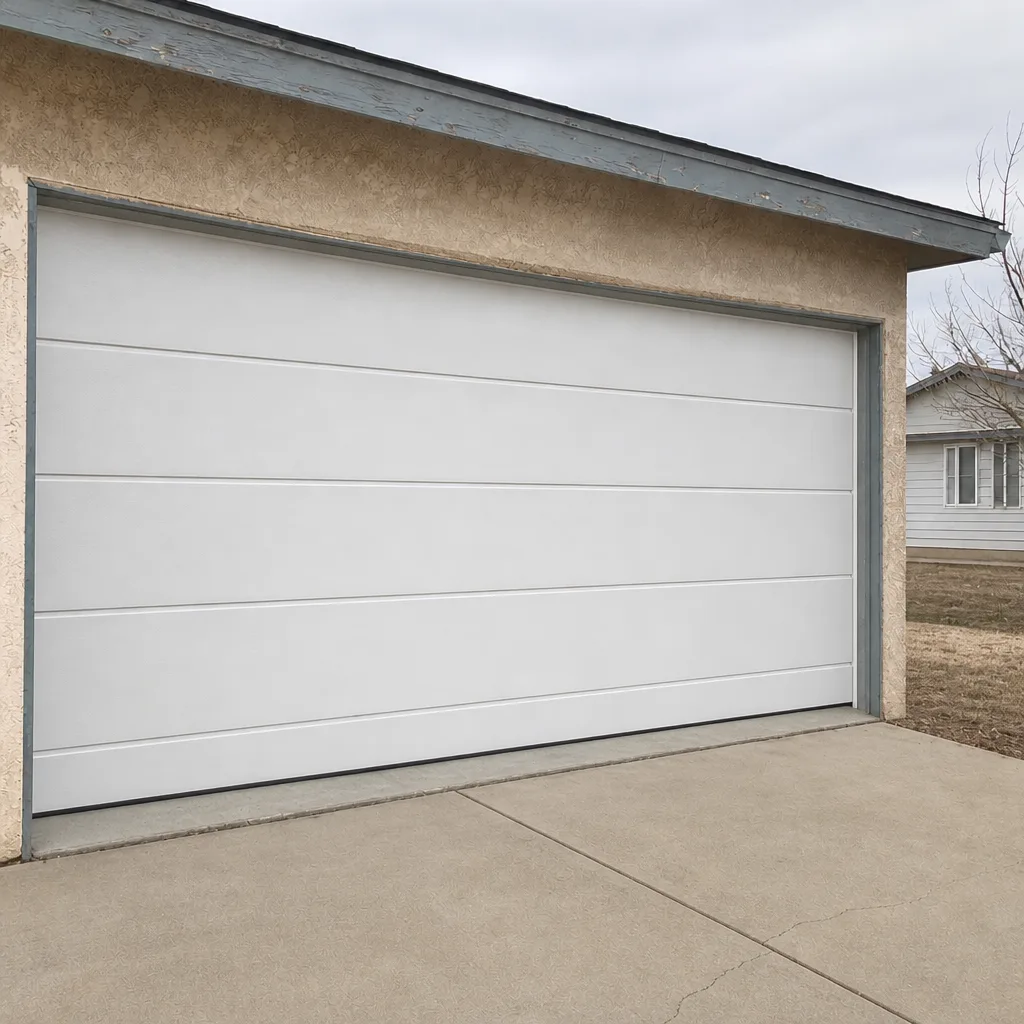
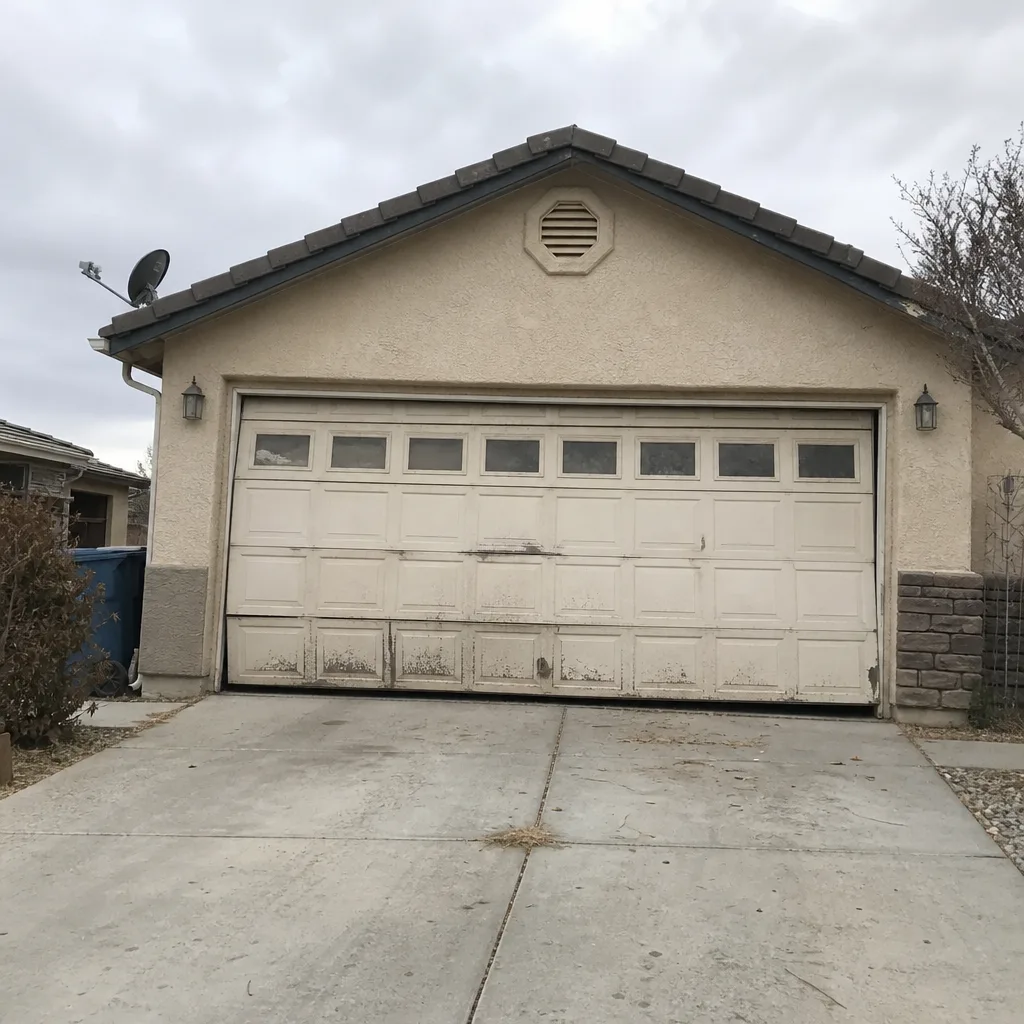
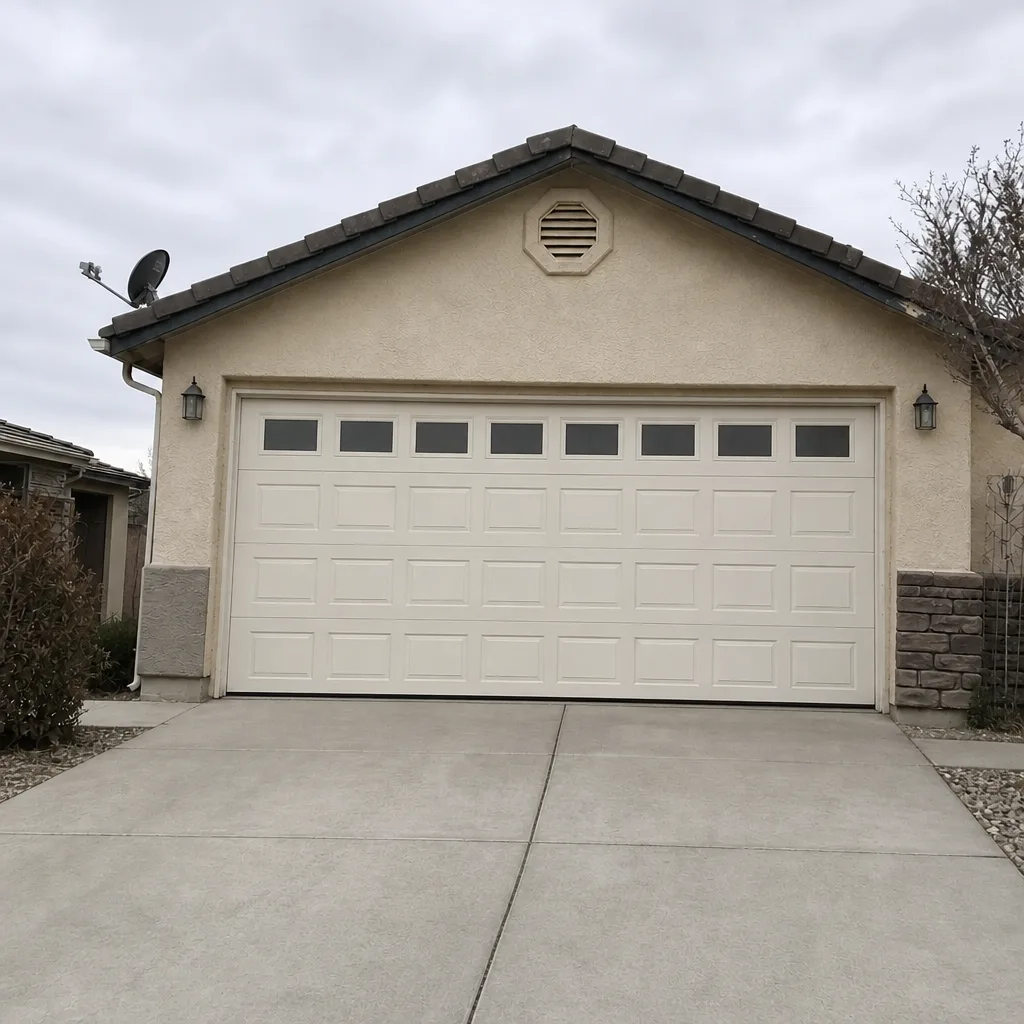
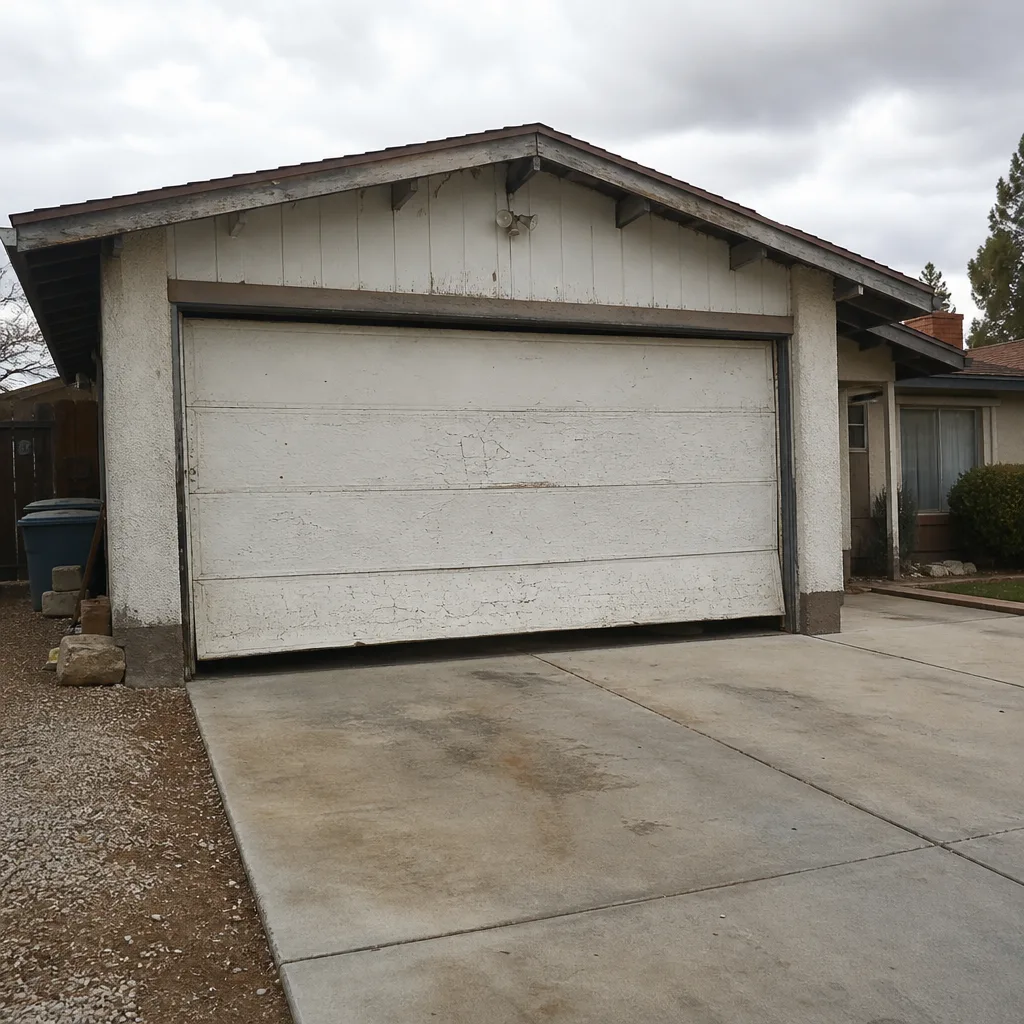
See the difference
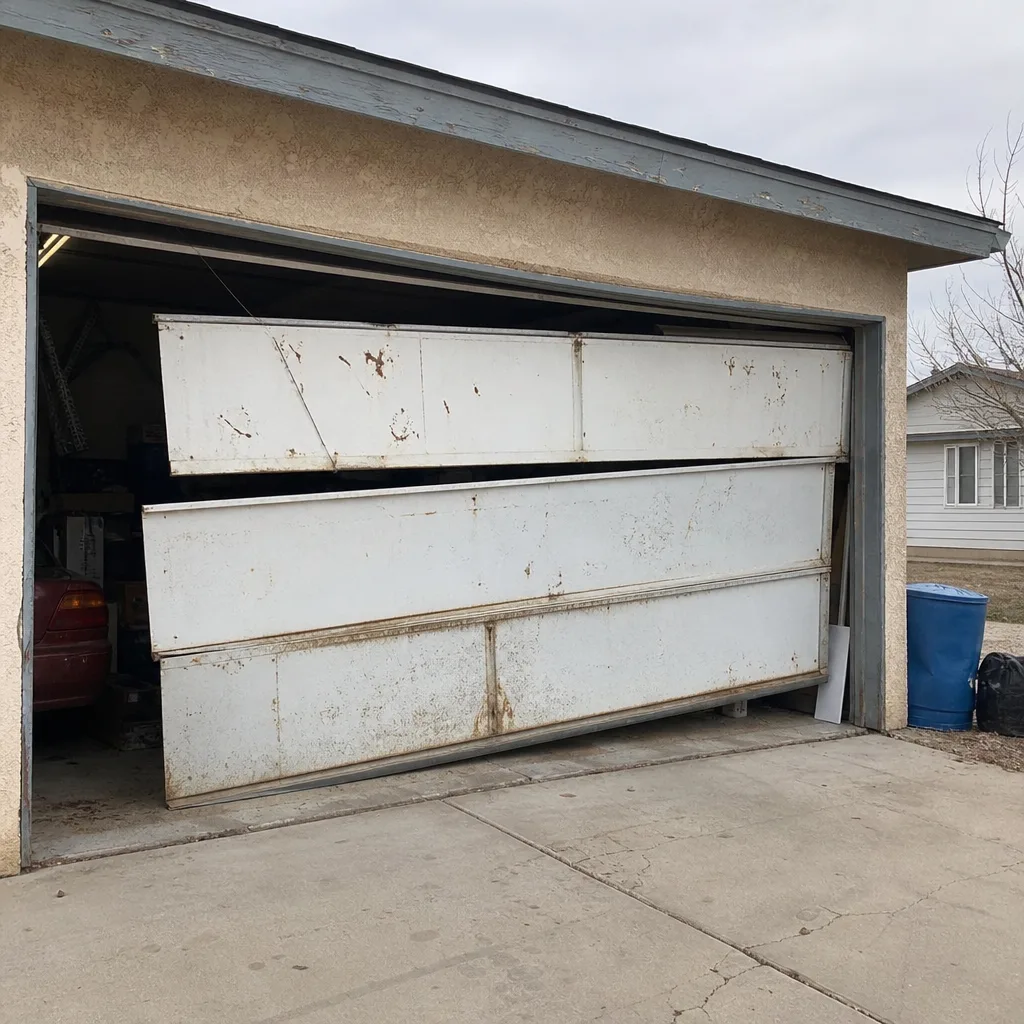 Before
 After
 Before
 After
 Before
 After
When to Call a Professional
There are three moments when a knowledgeable professional adds real value. The first is before signing an installation contract, when you want the permit and code questions answered clearly rather than handed off. The second is when a door that’s been installed for years starts getting stiff, noisy, or lopsided; that’s usually a spring, roller, or balance issue that gets worse if ignored. The third is any time the door won’t open or close, or the safety reverse fails a check, because that’s the assembly doing the one thing the code cares most about. High-tension springs and cables are dangerous parts of the assembly and belong to trained technicians. Fernbrook Garage Door Repair Mesquite offers free estimates in Mesquite – call (888) 255-7680 and a live person will pick up, day or night. Our technicians have up to 24 years of experience, and every job is backed by the 365-Day Done Right Promise, if it’s not done right, we make it right.
Frequently Asked Questions
Usually not, if you’re replacing the door on the same framed opening with a like-sized door. A permit is generally required when the project changes the opening, the structure, or the electrical. Before signing an installation contract, confirm in writing which side of that line your project is on. Call (888) 255-7680 for a free estimate.
The homeowner is the permit holder legally, even when a contractor files the paperwork on their behalf. Practically, most licensed contractors will submit the application and coordinate the inspections. The three things to confirm in writing are who’s named on the application, who pays the fees, and who’s on site for inspections. Call (888) 255-7680 with questions.
Two to four weeks is typical from application to final inspection for a residential garage permit in Clark County, including Mesquite. The timeline mostly depends on how quickly the inspectors’ queue moves. If your project has a hard deadline, ask about scheduling up front. For a free estimate on your project, call (888) 255-7680.
It can. Insurers commonly require structural alterations to be permitted and inspected, and a door-related claim can be reduced or denied if no permit record exists. Even a repair that doesn’t need a permit benefits from a written record: written price, date, parts, and a cleanup photo. Call (888) 255-7680 for a free estimate and a written price before any work starts.
Manufacturer-compliant means the install matched the door or operator maker’s instructions for that product. Code-compliant means it also meets the local building code, which may add requirements the manufacturer never mentioned, including header integrity, wind load, electrical clearances, and fire separation. A door can be installed to spec and still fail a county inspection. For help sorting out whether your project needs a code review, call (888) 255-7680.
Contractors performing structural or electrical work in Nevada need to be state-licensed, and liability coverage and workers’ comp are standard expectations for anyone on your property. Ask every contractor for those confirmations in writing before signing, not after. Fernbrook technicians are background-checked and follow the C.A.R.E. values on every visit. Call (888) 255-7680 for a free estimate.
The Bottom Line
The line between garage repair and garage permitting in Nevada is narrower than most families are told. Replacing a door on an existing opening usually doesn’t need a permit. Altering the opening, adding electrical, or touching the structure almost always does. The homeowner is the permit holder no matter who files the paperwork, and an unpermitted install can complicate an insurance claim or a home sale years later. Ask the six contractor questions before signing, keep a written record of every visit, and expect the written price before any work starts. That habit protects the home in Mesquite more reliably than any verbal promise. For guidance on your specific project, call (888) 255-7680 and we’ll walk through it with you.
Written by the team at Fernbrook Garage Door Repair Mesquite.