
Last updated November 17, 2026
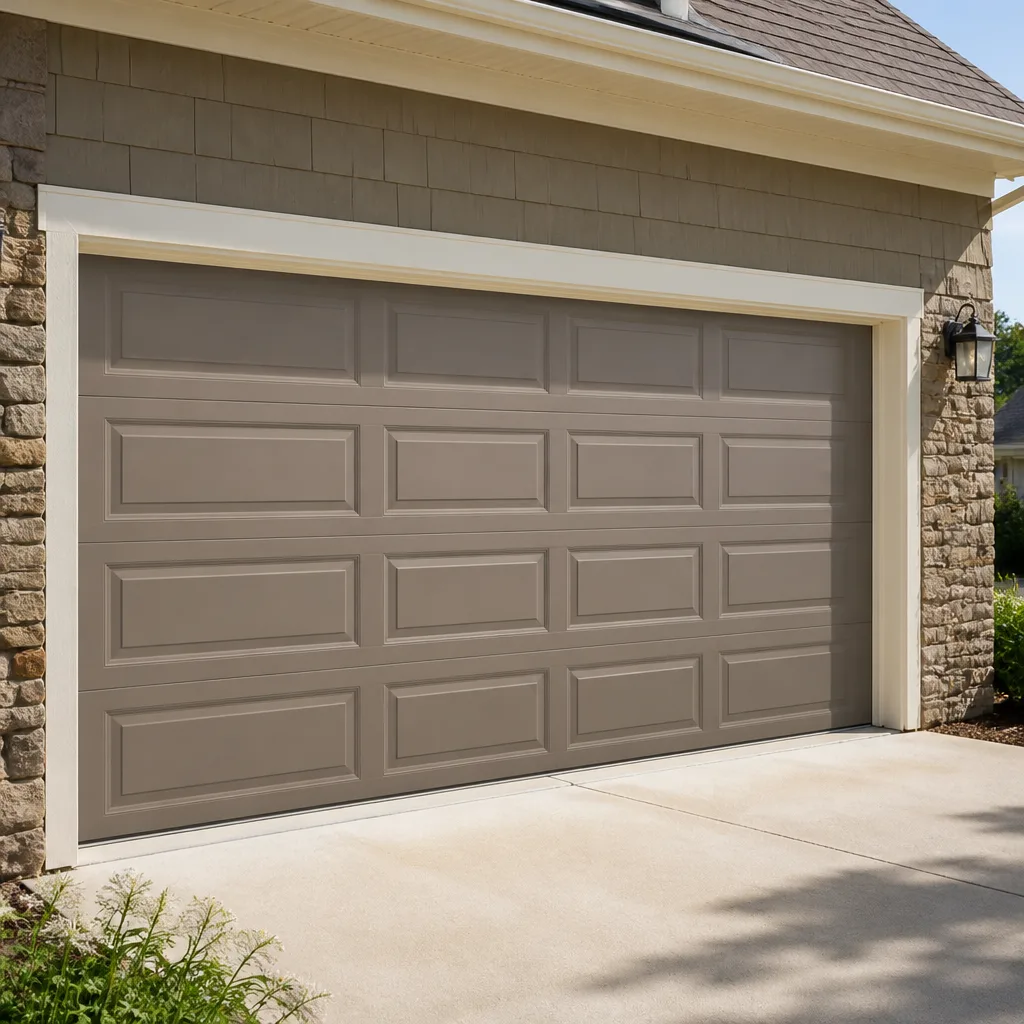 Raised-panel steel
 Carriage house
 Modern flush
 Full-view glass
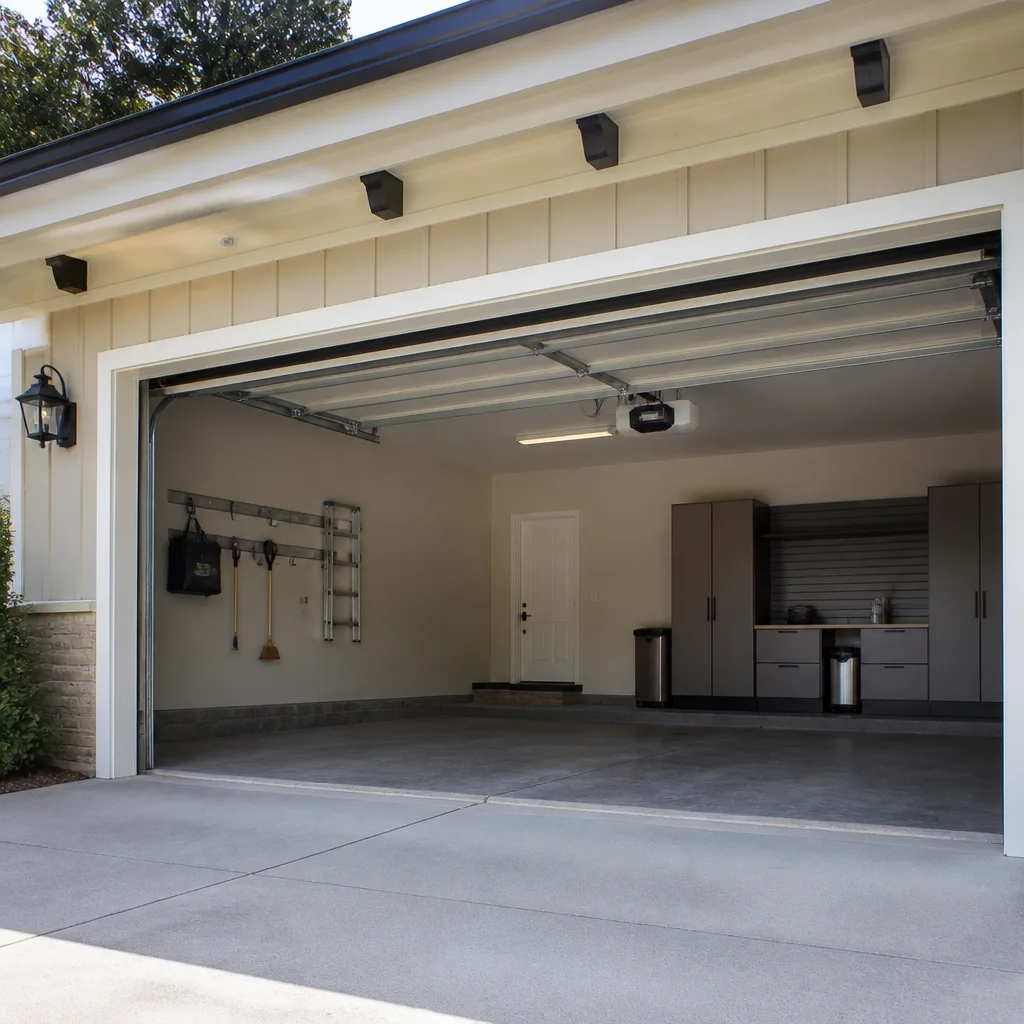 LiftMaster openers
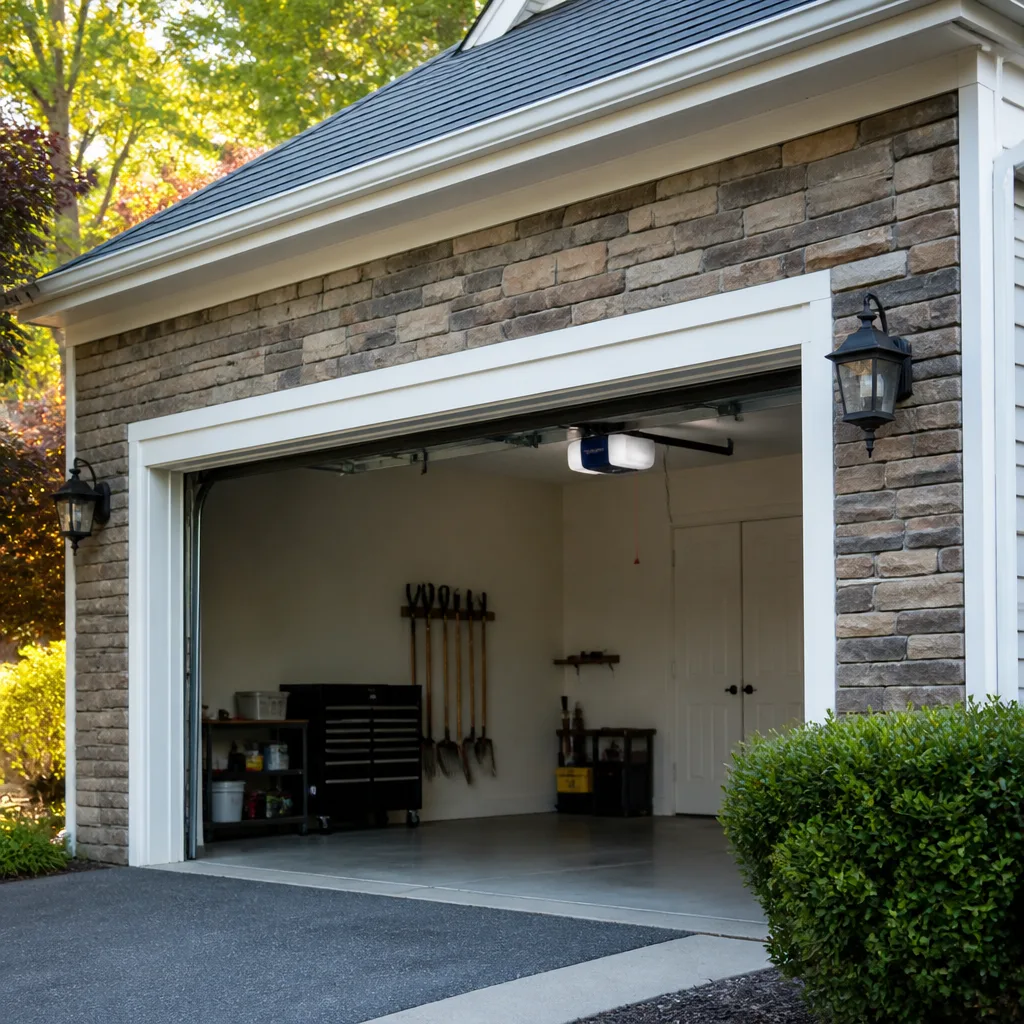 Chamberlain openers
Full 25-point door and opener safety check with every visit - springs, cables, rollers, tracks, and your LiftMaster or Chamberlain opener included
You get a price before we start. It does not change when the pro arrives.
Get your free estimateGarage Door Repair Maintenance Checklist for Mesquite Homeowners
The number-one reason garage door springs fail early in the Mesquite area isn’t age. It’s dry-air lubrication loss, and it can be corrected with a $6 can of spray lubricant and about four minutes, twice a year. We’ve seen springs in Sun City Mesquite and along the Falcon Ridge side of town wear out well before their expected cycle count, not because they were cheap parts, but because the desert air pulled the lubricant off the coils and nobody replaced it. This guide is different from the generic 12-point lists you’ll find elsewhere. It’s built around the failure patterns technicians actually see repeated in this zip code, with monthly, quarterly, and annual tasks, honest time estimates, and a clear line between what a careful homeowner can do and what genuinely needs a licensed technician.
Styles & brands we work with
- Raised-panel steel
- Carriage house
- Modern flush
- Full-view glass
- LiftMaster openers
- Chamberlain openers
Quick Answer
A garage door maintenance checklist in Mesquite should focus on lubrication, seal inspection, and sensor testing, done on a monthly, quarterly, and annual schedule. The tasks that matter most here are re-lubricating springs and hinges every six months (desert air dries them out fast), checking the bottom weather seal for UV cracking, and testing the auto-reverse and photo-eye sensors monthly. Anything involving springs, cables, or the torsion assembly is a technician job, never a weekend DIY project.
Table of Contents
- Why Mesquite Doors Wear Differently
- Your Monthly Checklist (5 Minutes)
- Your Quarterly Checklist (15 Minutes)
- Your Annual Checklist (30 Minutes)
- The Right Lubricants for Desert Heat (and the Wrong Ones)
- Testing Auto-Reverse and Photo-Eye Sensors Safely
- Spotting UV Damage on Weather Seals
- What You Can Do vs. What Needs a Technician
- Common Mistakes to Avoid
- When to Call a Professional
- Frequently Asked Questions
- The Bottom Line
Why Mesquite Doors Wear Differently
Mesquite sits in a low desert pocket where summer highs regularly climb past 110°F and humidity can drop into the single digits for weeks at a time. That combination does two things to a garage door that a checklist written for a coastal city never accounts for. First, it strips lubricant off metal-on-metal contact points faster than most manufacturer schedules assume, so the “twice a year” advice you’ll find on a spring manufacturer’s label is really a minimum here, not a target. Second, the UV load is relentless. A door facing west or south takes direct sun for the bulk of the afternoon, and the rubber bottom seal and the plastic sensor lenses degrade at a rate that surprises homeowners moving here from wetter climates.
There’s a third factor specific to this area: dust. Between the wind that funnels through the Virgin River corridor and the construction dust from the newer builds around Bunkerville and the Highland Hills area, grit works its way into tracks and rollers. Mixed with dried-out lubricant, that grit turns into an abrasive paste that quietly wears rollers and hinges. When we look at a door that’s binding or grinding, dust-and-lubricant paste is one of the first things we check, right alongside the spring tension. None of this means a Mesquite door is high-maintenance. It means the maintenance it needs is slightly different, and a little more frequent, than a national checklist would tell you.
Your Monthly Checklist (5 Minutes)
These are the tasks a homeowner can knock out in about the time it takes to brew a cup of coffee. Do them once a month, ideally the first weekend, and you’ll catch most problems before they cost you a repair. In our experience, the homeowners who stay ahead on the monthly basics are the ones who call us least often.
- Listen to the door. Open and close it once and just listen. A smooth door makes a steady hum. Grinding, squealing, or a rhythmic thunk points to a roller, hinge, or track issue.
- Test the photo-eye sensors. With the door open, wave a hand or a broom handle across the sensor beam near the floor. The door should reverse or refuse to close. If nothing happens, stop and see the sensor section below.
- Test the auto-reverse. Lay a 2×4 flat on the floor under the closing door. It should reverse on contact. This is the single most important safety check on the whole door.
- Look at the tracks. Glance down both vertical tracks for debris, loose bolts, or anything bent out of line. Don’t force a bent track back into shape; note it.
- Clear the photo-eye lenses. A quick wipe with a dry cloth removes the desert dust film that can cause phantom reverses, especially on doors that face the open street.
Five minutes, five checks. If any of them fail, that’s your signal to slow down and look closer before something smaller turns into something bigger.
Your Quarterly Checklist (15 Minutes)
Every three months, add a few hands-on checks. These are still safe for a homeowner because they don’t involve the springs, cables, or torsion system, which we’ll cover separately. This is also a good time of year to look at the door as a whole rather than just its moving parts.
- Inspect the rollers. Look at each roller where it meets the track. Steel rollers that have gone flat or chipped should be replaced; nylon rollers should spin freely without a wobble.
- Check hinges and bolts. Give each hinge a look for wear and confirm the bolts holding hinges and brackets are snug. Don’t over-tighten; a hair past finger-tight is plenty on a door.
- Wipe the tracks clean. Use a dry cloth or a vacuum brush attachment to pull dust and grit out of the track channel. A damp cloth works too, just let it dry before reopening the door.
- Test the door balance. With the door closed, pull the opener’s release cord and lift the door by hand about halfway up. It should hold roughly in place. If it slams down or won’t stay up, the springs need attention.
- Look at the bottom seal. Run your hand along the rubber threshold seal for cracking, stiffness, or gaps. More on UV damage below.
Fifteen minutes, once a season, and you’ll have caught most of what eventually causes a call to a repair company. The balance test is worth doing carefully; if it feels wrong, treat it as a technician matter rather than something to adjust yourself.
Your Annual Checklist (30 Minutes)
Once a year, budget a half hour for the deeper items. Combine this with the twice-yearly lubrication pass (see the next section) and you’ve covered the full maintenance year. The annual view is where you spot the slow changes a monthly check misses.
- Full lubrication pass. Re-lubricate springs, hinges, rollers, and the opener’s chain or screw drive. (Details on the right products below.)
- Inspect the whole door for corrosion and paint wear. Desert sun can fade and chalk a steel door over time. Touch-up paint on scratches slows rust before it starts.
- Check the opener’s safety features. Test the force setting and the auto-reverse again, and confirm the wall control and remotes all function. If your opener is a LiftMaster or Chamberlain, the owner’s manual walks you through the exact test sequence.
- Look at the panels and hardware from a few feet back. Standing back reveals sagging, uneven panels, or a door that doesn’t sit flush with the frame.
- Clear the roof overhang and gutters above the door. Debris buildup here can drip onto the door and tracks, and in Mesquite wind it collects fast.
That’s roughly a half hour once a year, on top of the smaller checks, to keep a door healthy through a full rotation of the seasons. If you’d rather have a professional handle the lubrication and adjustment as part of a repair visit, our Garage Door Repair in Mesquite page covers what a service call includes.
The Right Lubricants for Desert Heat (and the Wrong Ones)
This is the section most checklists skip, and it’s the one that matters most in Mesquite. The right product keeps a spring quiet and flexible for months. The wrong product actively accelerates wear, and you’ll often find it already in the garage of a home you’ve just moved into.
For springs, hinges, and rollers, a lithium grease or a dedicated garage door lubricant holds up well to heat and doesn’t attract dust the way heavy oils can. A silicone-based spray is a good choice for the tracks, because it lubricates without leaving a gummy film that grabs grit. What to avoid: general-purpose penetrating oils like WD-40’s standard spray, which are excellent for loosening a stuck bolt but wrong for a door. They’re thin, they evaporate off quickly in desert heat, and they do nothing to protect metal-on-metal surfaces long-term. Using a standard lubricant on springs is one of the most common reasons a spring in this area starts to grind early.
- Springs and torsion assembly: garage-door-specific lithium or silicone grease. Apply lightly; more isn’t better.
- Hinges and rollers: a light lithium grease or garage door lube. Wipe off excess so dust doesn’t cling.
- Tracks: a dry silicone spray, wiped to a thin film. Stay away from grease in the track channel.
- Opener chain: follow the opener maker’s recommendation; a Genie or LiftMaster chain usually wants a specific light grease, not oil.
- Avoid: standard WD-40, motor oil, cooking oil, and any “all-purpose” product sold for general household use.
A six-dollar can of the right product, applied twice a year, is genuinely one of the highest-value things you can do for a door in this climate. If a door is already squealing or grinding despite regular lubrication, our Garage Door Spring Repair in Mesquite page explains the next step.
Testing Auto-Reverse and Photo-Eye Sensors Safely
These two safety systems are the ones that protect a child, a pet, or a family car. Test them monthly, and test them carefully, standing clear of the path of the door. The good news is both tests are quick and don’t require touching any part of the door itself.
Photo-eye test. Locate the two small sensors near the floor on either side of the door, then:
- Open the door fully and leave it open, or start it closing from the wall control.
- Wave a broom handle, a piece of cardboard, or your hand across the beam path between the two sensors.
- The closing door should reverse immediately. If it doesn’t reverse, or the door closes right through the beam, the sensors need attention.
- Check that both lenses are clean (a dust-clogged lens on a west-facing door in Mesquite is a frequent culprit) and that neither sensor is misaligned.
Auto-reverse test. With the door open, place a flat board (a 2×4 works well) on the floor directly under the door, then close it using the wall control. The door should reverse on contact with the board. If it pushes down and stops without reversing, the force setting or the opener’s travel limits need checking, and that’s a job for a technician.
What a failed test means: don’t keep operating the door and don’t try to “fix” the sensor alignment by bending brackets or adjusting the opener’s force dial yourself. A door that fails either test is a safety problem, and the fix is a quick technician visit. A live person answers our phone around the clock, so a failed sensor on a Friday night doesn’t wait until Monday. For a sense of what a repair visit costs and includes, along with the full range of what we handle, see our Mesquite home page at Fernbrook Garage Door Repair Mesquite home.
Spotting UV Damage on Weather Seals
Mesquite’s sun is hard on anything rubber or vinyl, and the bottom weather seal is the most exposed part of the whole door. Most generic checklists mention “check the seal” and leave it there. Here’s what actually happens to a seal in high sun, and how to spot it before it fails.
- Chalking and fading. A healthy seal looks black and even. Sun-cracked rubber takes on a gray, chalky surface, especially on the side that faces afternoon sun.
- Stiffness. A supple seal flexes when you press it. A UV-cooked one feels hard and brittle, like a garden hose left out all summer.
- Hairline cracks. Run a finger along the bottom edge. Fine cracks that spread into splits mean the seal is close to failing.
- Gaps at the corners and edges. Heat and dryness shrink the rubber, so the ends pull away from the frame. That gap is where hot air, dust, and the occasional scorpion get in.
- Water intrusion stains. After the rare monsoon rain, a seal with UV damage lets water track under the door and onto the garage floor.
A west- or south-facing door in Mesquite will typically cook its seal faster than a shaded one, so if your door takes full afternoon sun, check the seal every quarter rather than yearly. A failing seal is inexpensive to replace and easy to overlook until it’s letting in real heat. Our Garage Door Installation in Mesquite page covers what a replacement door and seal combination looks like when the old one is past saving.
What You Can Do vs. What Needs a Technician
We’re the first to tell a homeowner that most of the maintenance on this list is theirs to do, and it saves real money. What we won’t do is pretend a torsion spring is a DIY project. Here’s the honest line, and the reasoning behind each side.
Safe for a careful homeowner: wiping tracks, cleaning sensor lenses, testing the photo-eye and auto-reverse, lubricating springs and hinges with the right product, inspecting the bottom seal, checking for loose bolts, and listening for changes in sound. These tasks keep you in touch with your door and catch problems early. None of them involve stored mechanical energy.
Needs a licensed technician: anything involving the torsion springs, the cables, the drums, or the center bearing plate. It’s not a question of skill; it’s the stored energy. A torsion spring under tension carries enough force to cause serious injury if it releases while someone is adjusting it, and cables under load can snap with no warning. This isn’t a soft disclaimer. It’s the one part of a garage door that genuinely isn’t worth touching without training and the right tools. The same caution applies to replacing the opener if it fails while still wired in; electrical work at the opener should go to a technician. When a spring feels or sounds wrong, that’s the point to call, not to experiment.
In our experience, homeowners in Mesquite are smart about this when they understand why. Nobody wants to be the person who regrets a spring job in the driveway. Our technicians have up to 24 years of experience and are background-checked, and they’ll walk you through exactly what they’re doing so you know what was done and why.
Common Mistakes to Avoid
- Using standard WD-40 on springs and tracks. It loosens and evaporates but leaves no lasting protection, and in desert heat it’s gone within weeks. Use a garage-door-specific lubricant instead.
- Ignoring the bottom seal in high-sun seasons. A UV-cracked seal on a west-facing door lets heat and dust in long before it tears. Check it quarterly if the door takes direct afternoon sun.
- Skipping the auto-reverse test. It takes 60 seconds and is the single most important safety check on the door. A year of monthly tests catches a failing opener before it matters.
- Forcing a bent track back into shape. Bending it back by hand often makes the misalignment worse and can damage the rollers. Note it and call a technician.
- Adjusting the opener’s force setting to fix a reversing problem. Turning up the force to keep a door closing masks the real issue, whether it’s a sensor, a track, or a worn roller. Fix the cause, don’t override the safety.
- Letting dust and grit build up in the tracks. The construction dust that moves through areas of Mesquite combines with old lubricant into an abrasive paste. Wipe the tracks clean every quarter.
- Ignoring a door that’s balance-failed and lifting it anyway. A door that won’t stay up halfway is telling you the springs need attention. Operating it anyway puts strain on the opener and the door frame.
When to Call a Professional
Some things are a maintenance task. Others are a phone call. Call a trained professional when a spring is grinding, squealing despite fresh lubrication, or when the door fails the balance test and won’t hold halfway up. Call for a door that reverses on contact but won’t close all the way, a bent track, a snapped cable, or a photo-eye test you’ve cleaned and aligned that still fails. Call if the opener’s force setting needs adjusting or the opener itself is failing. And call if you’re simply not sure, because a five-minute conversation is cheaper than a mistake. Fernbrook Garage Door Repair Mesquite offers free estimates in Mesquite – call (888) 255-7680. Every visit comes with a written price before any work begins, no surprise invoices, and a 365-Day Done Right Promise on the job.
Frequently Asked Questions
Twice a year is the minimum in Mesquite’s climate, and some technicians recommend every four months for a door that faces full afternoon sun. The dry desert air strips lubricant off springs and hinges faster than in humid climates, so a spring that looks fine on a national schedule is often overdue here. A quick spray and a wipe, twice a year, is the cheapest insurance against an early spring failure. If you’d rather have it done as part of a service call, call (888) 255-7680 for a free estimate.
No. A torsion spring under tension stores enough energy to cause serious injury if it releases while being adjusted, and cables under load can snap without warning. This is the one part of the door that genuinely requires a licensed technician with the right tools. The good news is a broken spring is a straightforward repair for a trained pro. Call (888) 255-7680 and we’ll give you a written price before any work starts.
A garage door that reverses on its own usually points to a misaligned or dusty photo-eye sensor, or a force setting that needs adjusting. In Mesquite, dust film on the sensor lenses is a frequent cause, especially on doors that face the open street. Wipe both lenses clean and check alignment first. If it still reverses, that’s a technician call, not a force-setting adjustment. Call (888) 255-7680 for a free estimate.
A weather seal needs replacing when it feels stiff and brittle, shows hairline cracks, has chalked to a gray color, or has pulled away from the corners. On a west- or south-facing door in Mesquite, UV damage shows up faster than on a shaded door, so check it every quarter. A failing seal lets heat and dust in. Call (888) 255-7680 if you’re unsure whether the seal is past saving.
A maintenance check covers lubrication, cleaning, sensor testing, and inspection, and a careful homeowner can handle most of it. A repair means something has failed or is failing, like a spring, cable, track, or opener, and that requires a technician. When in doubt, describe the sound or symptom and we’ll tell you which it is. Call (888) 255-7680 and we’ll quote it upfront.
No. Estimates in Mesquite are free, and you’ll get a written price before any work begins, every visit, with no surprise invoices. If the job changes once we see it, we’ll explain the change and get your agreement before continuing. Call (888) 255-7680 to schedule an estimate.
The Bottom Line
A garage door in Mesquite doesn’t need a long maintenance routine, but it does need the right one for this climate. Keep your springs lubricated twice a year with a garage-door-specific product, not a standard spray. Test the photo-eye and auto-reverse every month, because they’re the safety features that protect your kids and pets. Check the bottom seal every quarter if your door takes full sun, since UV damage here moves fast. And leave anything involving springs, cables, or the torsion assembly to a licensed technician. Do those four things and you’ll spend less on repairs and worry less about the door. When something does need attention, Fernbrook Garage Door Repair Mesquite is here with free estimates, a written price before any work, and a promise to make it right.
Ready to book a check-up or a repair? Call (888) 255-7680 for a free estimate. A live person answers around the clock, no voicemail tree, and we’ll give you a written price before anything starts.
Written by the team at Fernbrook Garage Door Repair Mesquite.
See the difference
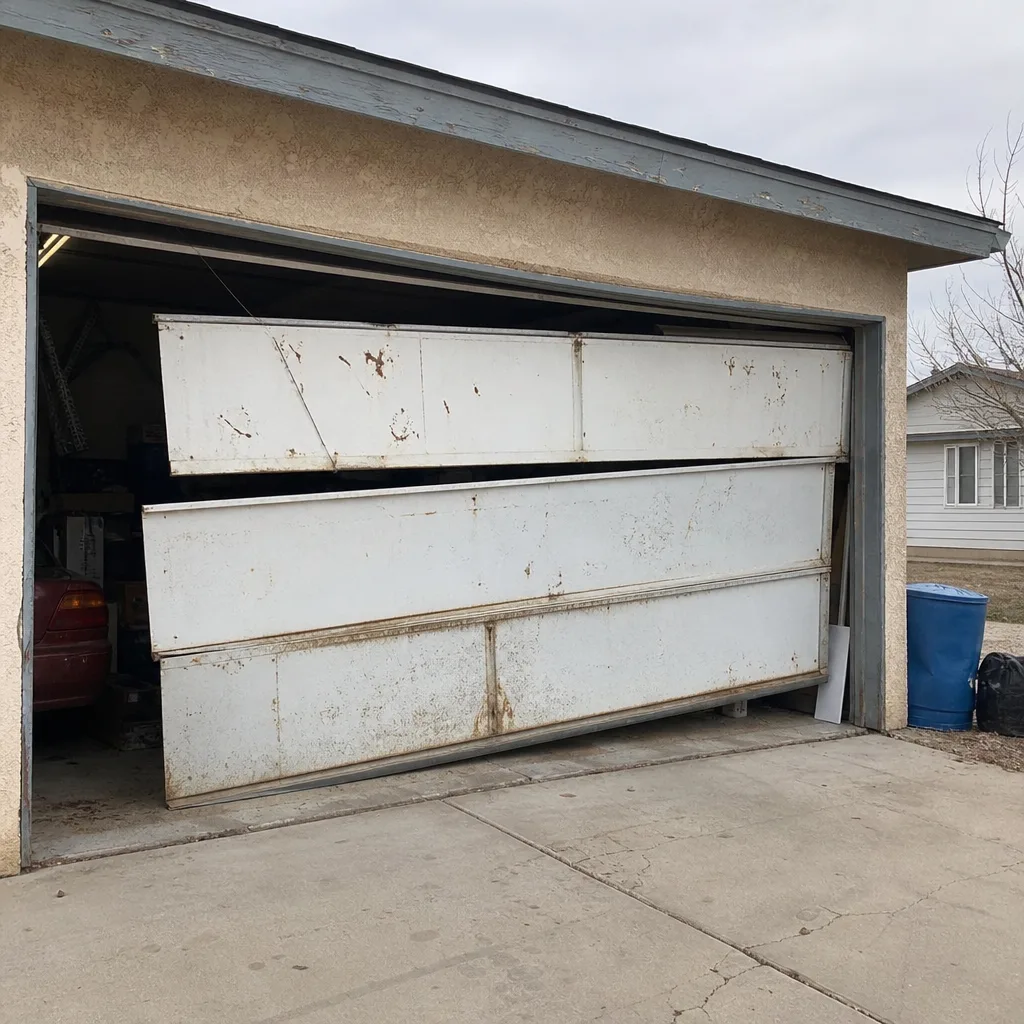 Before
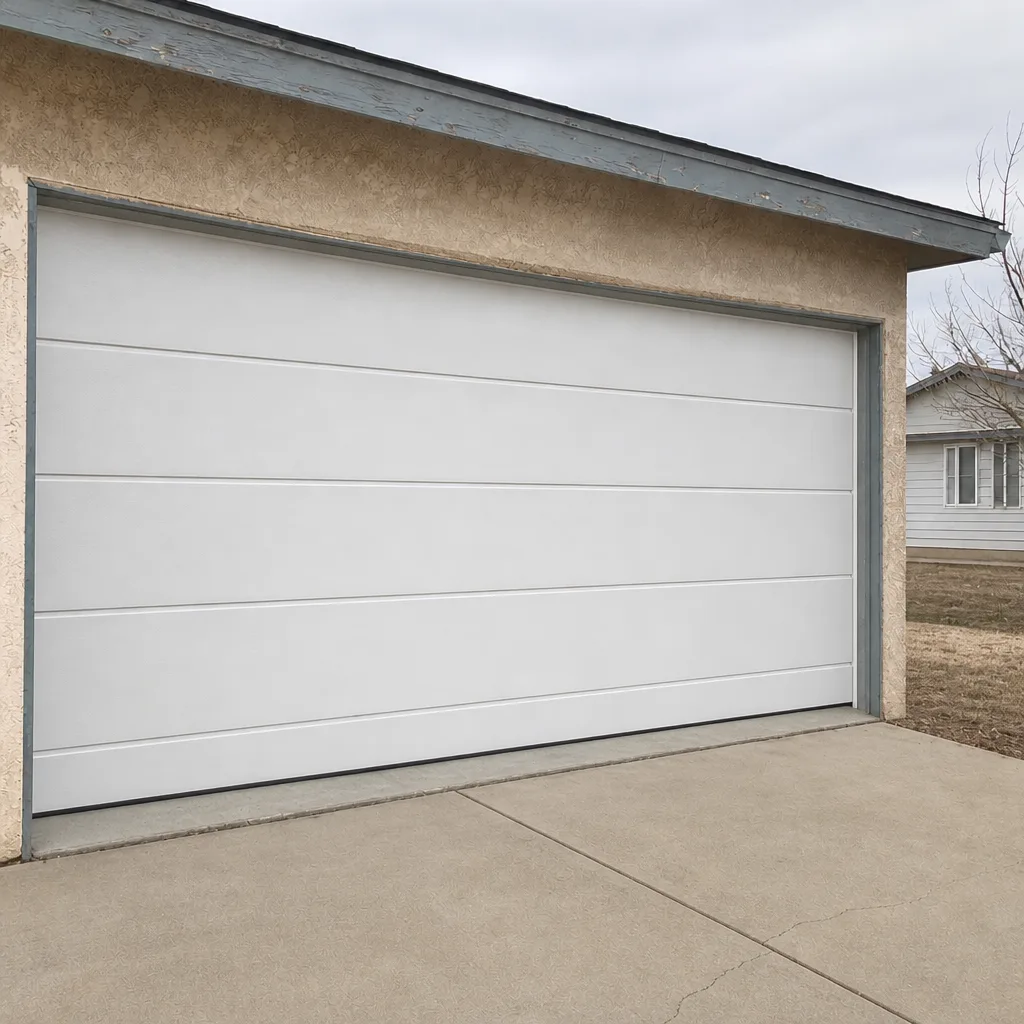 After
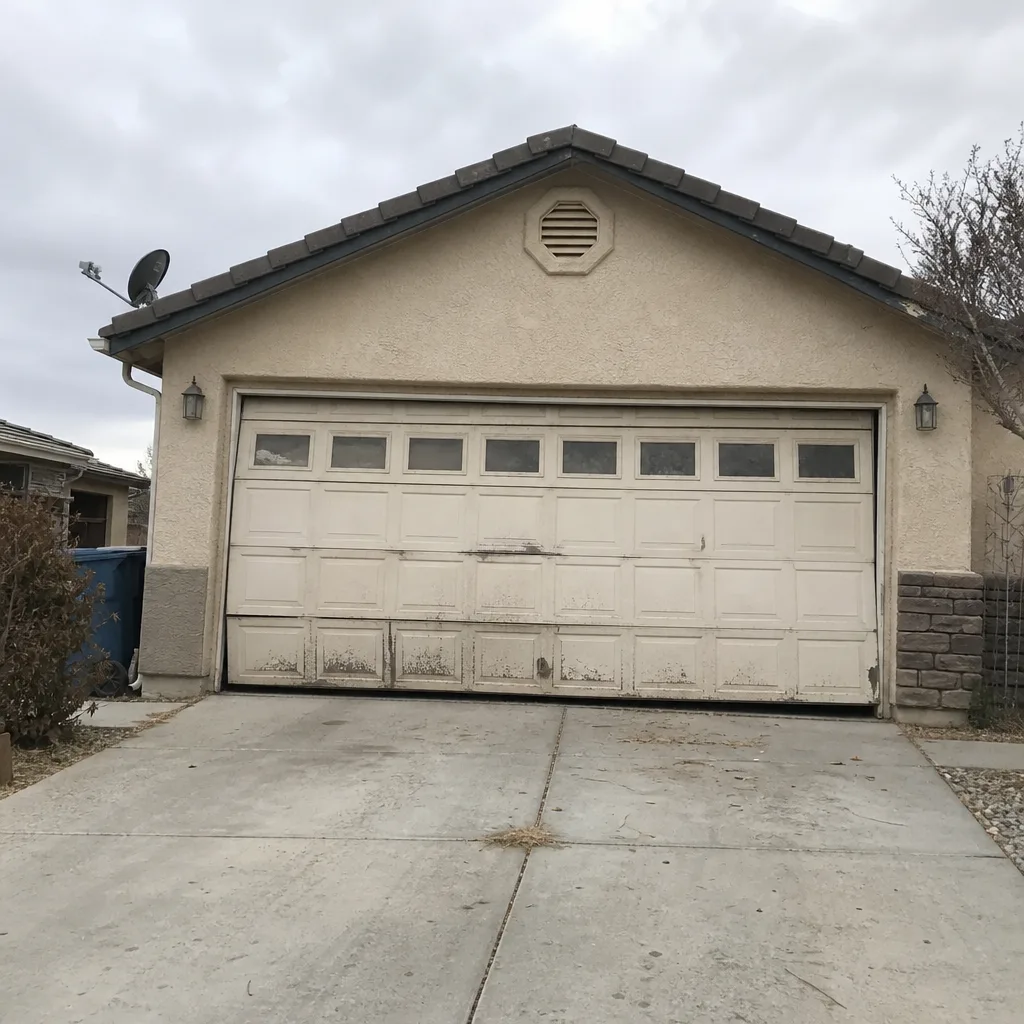 Before
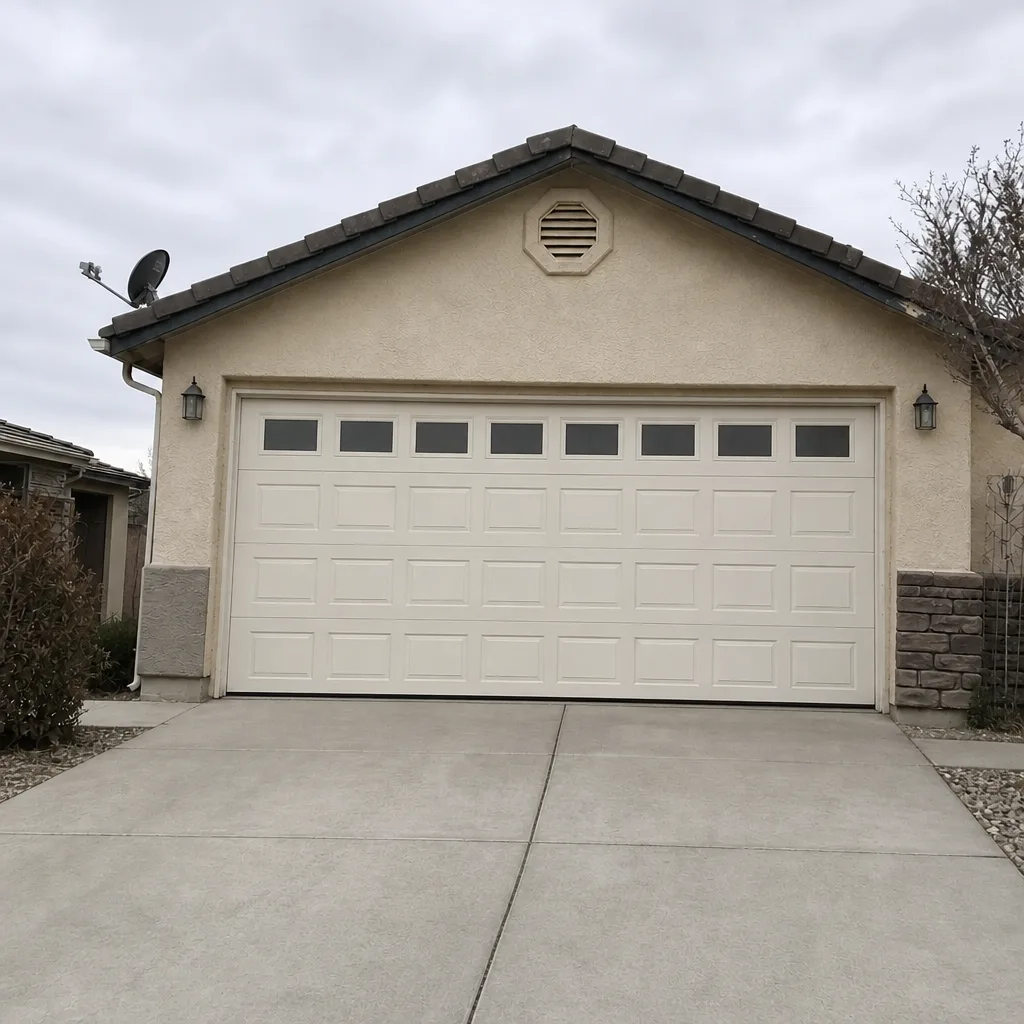 After
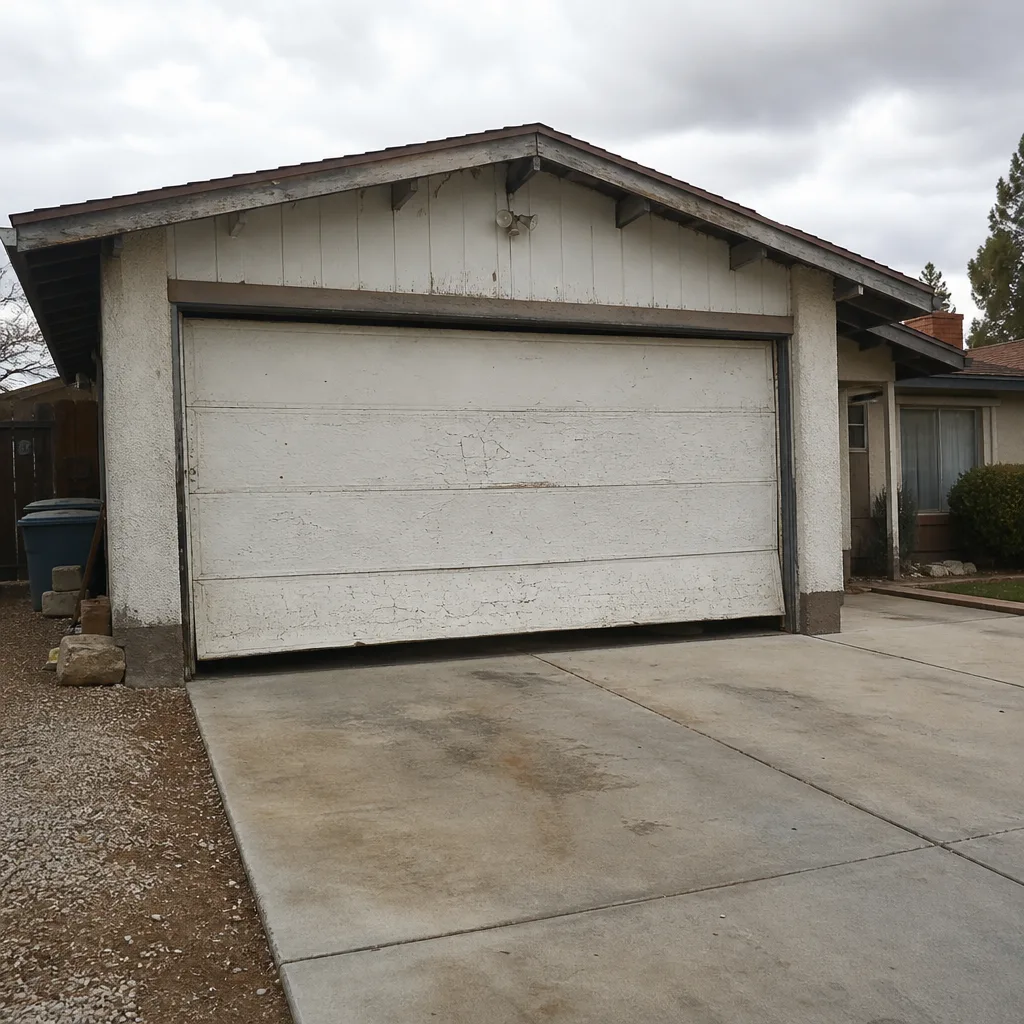 Before
 After