
Last updated November 17, 2026
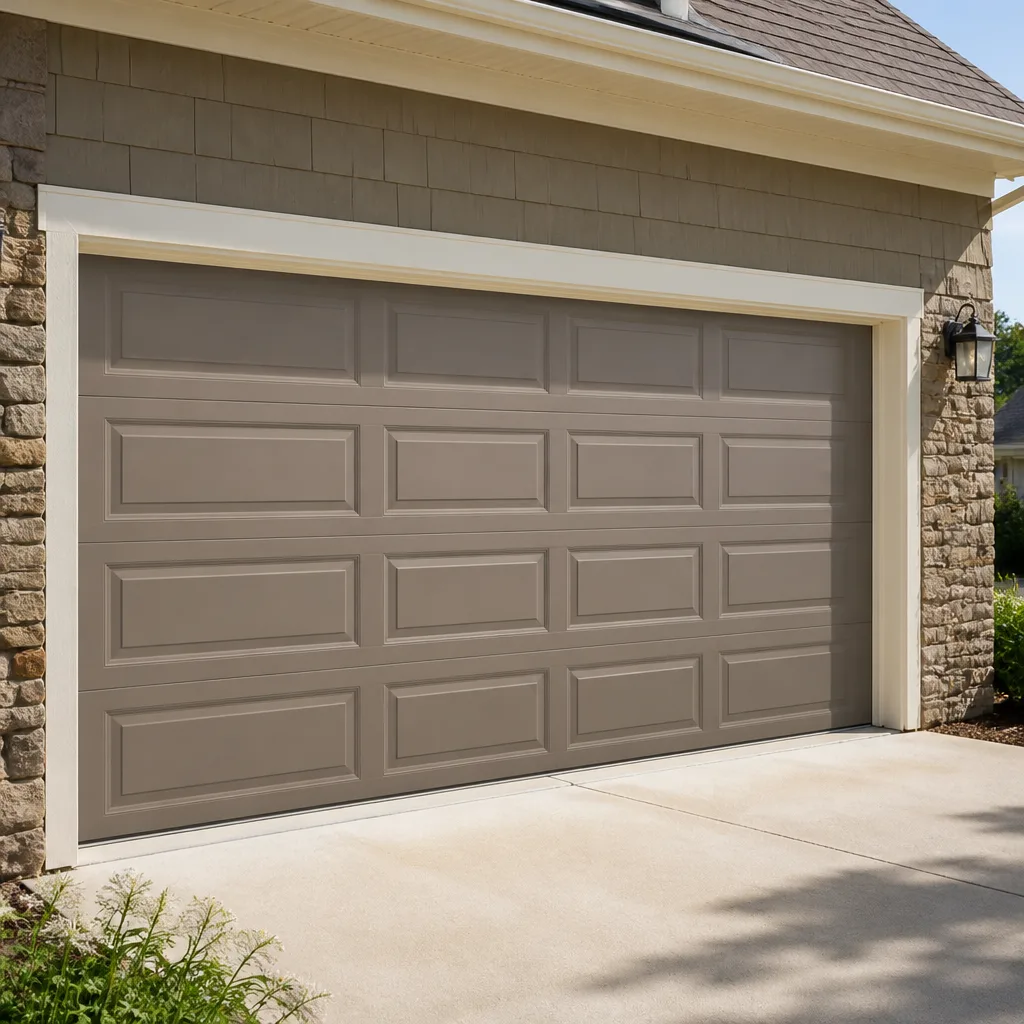 Raised-panel steel
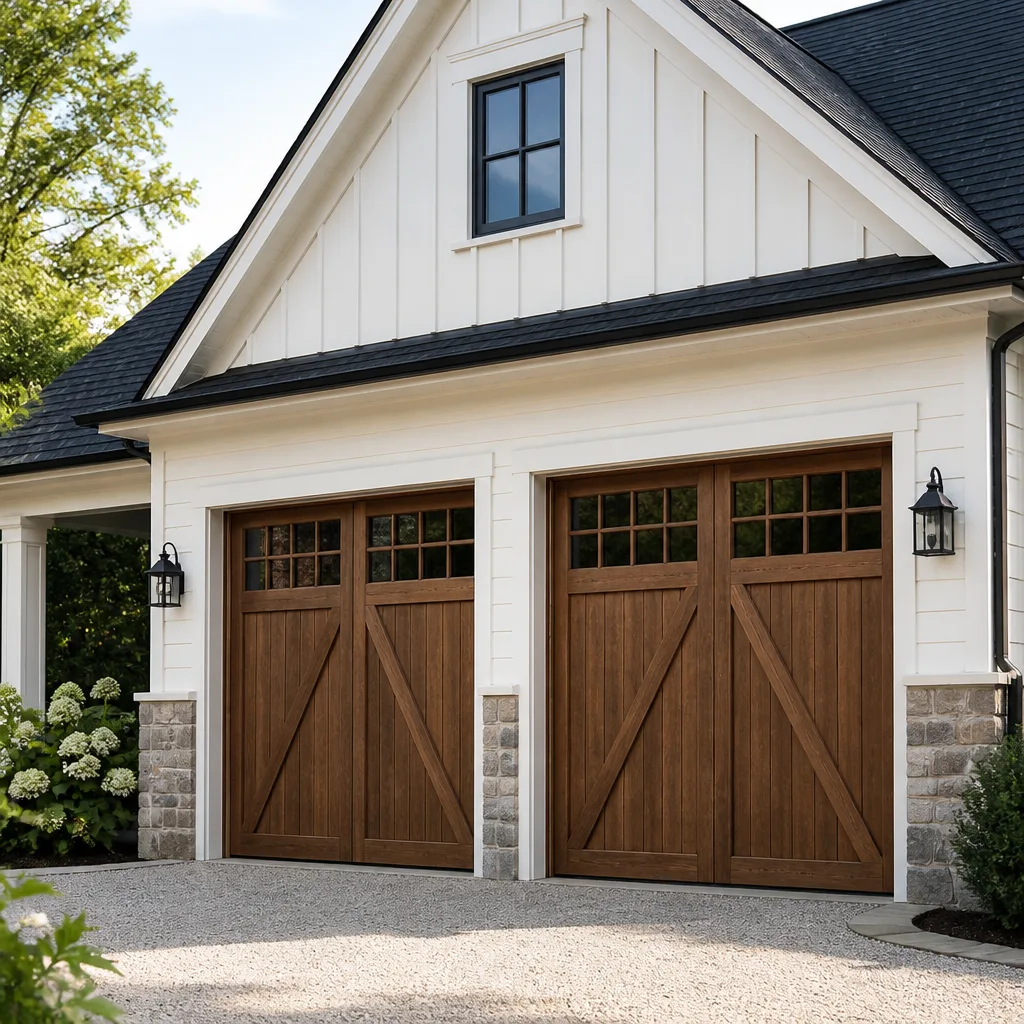 Carriage house
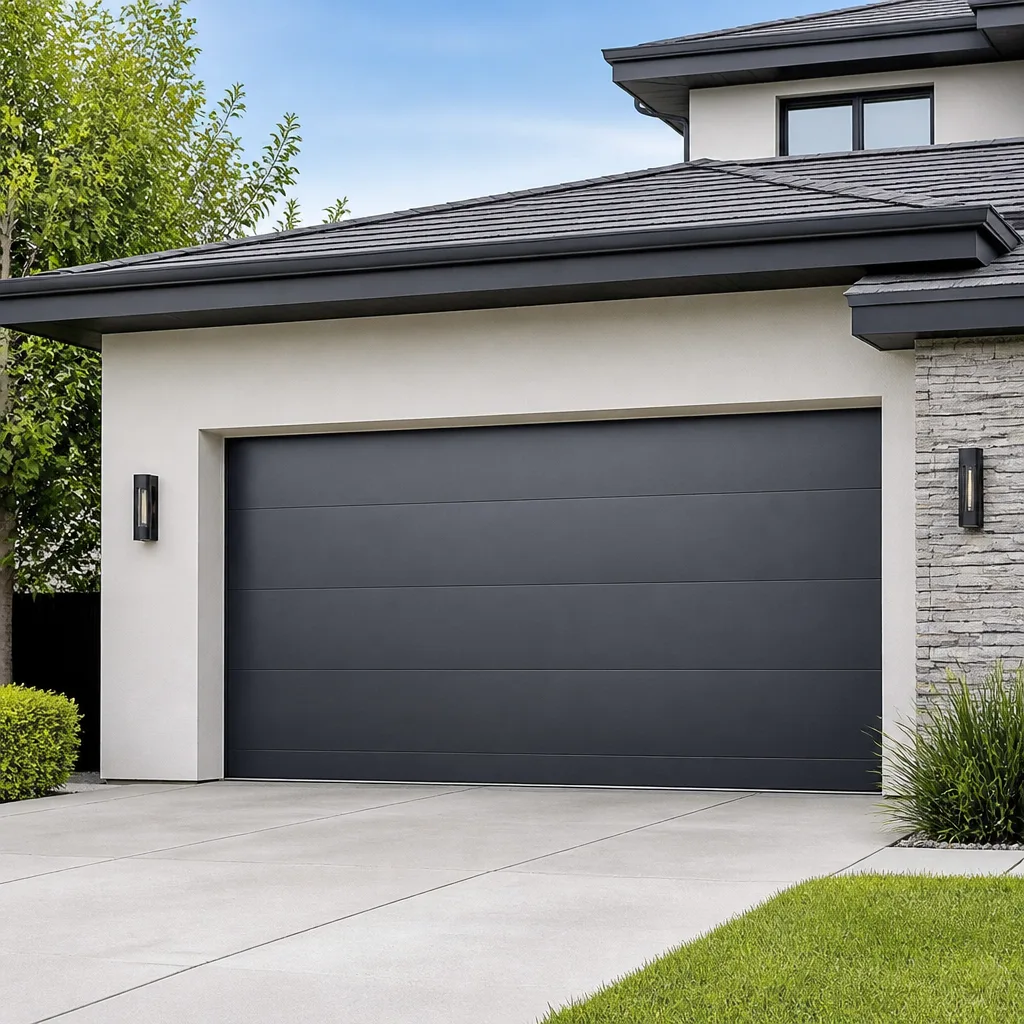 Modern flush
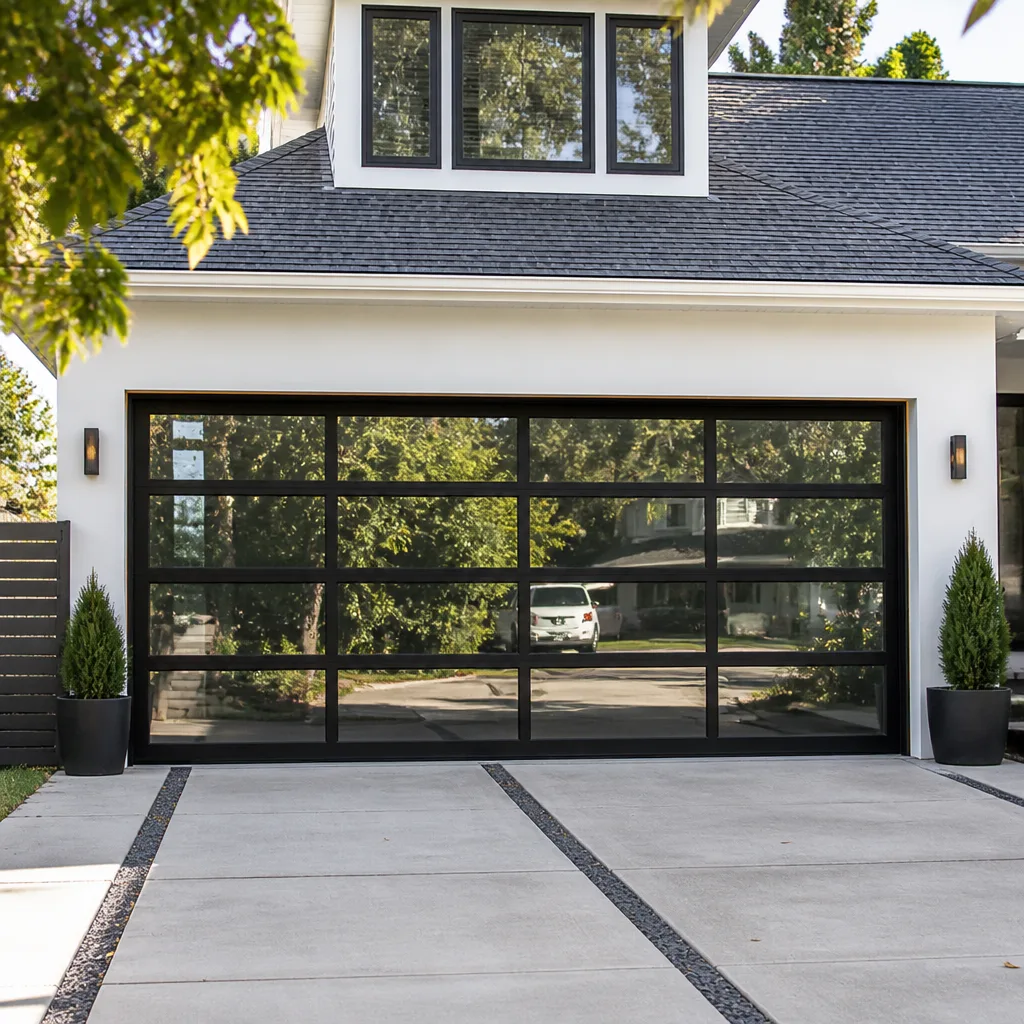 Full-view glass
 LiftMaster openers
 Chamberlain openers
Full 25-point door and opener safety check with every visit - springs, cables, rollers, tracks, and your LiftMaster or Chamberlain opener included
You get a price before we start. It does not change when the pro arrives.
Get your free estimateDIY vs Professional Garage Door Installation: What’s Safe to Do Yourself
Here’s a detail that catches a lot of homeowners after the fact: many garage door manufacturers require professional installation as a condition of the product warranty. That clause isn’t in the showroom sales pitch or the product description online. It’s on page four of the warranty PDF, in a section most people never open. A homeowner who hangs a $1,200 door correctly, with every bolt torqued and every panel level, can still end up with no warranty coverage if something fails in year two. This guide walks through that warranty dynamic plainly, covers which steps a careful DIYer can genuinely handle and which ones carry real consequence, and gives you the numbers to compare your own time against a professional quote. We’re writing it from Mesquite, where the heat is hard on doors and the answers here are shaped by what we actually see.
Quick Answer
Full garage door installation is not a safe DIY project for most homeowners, and the deciding factor usually isn’t skill: it’s the manufacturer warranty, which often specifies professional installation for coverage to apply. Spring tensioning and header bracket positioning are the two steps that cause the most damage and injury when done wrong, and neither is a reasonable do-it-yourself task. A skilled homeowner can realistically remove an old door, prep the opening, and assist, but the tensioning, calibration, and warranty-signing work belongs to a trained installer.
Styles & brands we work with
- Raised-panel steel
- Carriage house
- Modern flush
- Full-view glass
- LiftMaster openers
- Chamberlain openers
Table of Contents
- The Warranty Clause Nobody Reads Before Buying
- What a Skilled DIYer Can Genuinely Handle
- The Three Steps That Aren’t Safe to DIY
- A Realistic Time and Tool Estimate for DIY Installation
- Rough Opening Preparation: Why a Quarter Inch Matters
- How to Read a Professional Installation Quote
- What Mesquite Conditions Do to Installation Choices
- Common Mistakes to Avoid
- When to Call a Professional
The Warranty Clause Nobody Reads Before Buying
Before you buy a door, find the manufacturer’s warranty document and read it. Not the marketing page, the actual warranty. Look for a section usually titled “Warranty Coverage,” “Conditions of Coverage,” or “Limitations,” and search the text for the words “professional installation.” Clopay, Amarr, Wayne Dalton, and most of the other major manufacturers publish these documents as PDFs on their own sites, separate from the retailer’s listing. Search the brand name plus “warranty PDF” and open the manufacturer’s version, not a reseller summary.
What you’ll typically find is language along these lines: coverage applies to doors installed by a professional garage door installer, or coverage excludes damage resulting from improper installation. Some brands word it loosely. Others are exact. Either way, the practical effect is the same, and it’s worth understanding before you spend money on a door:
- If a panel cracks or a section bows in year two, the manufacturer can decline the claim if the installation wasn’t done by a professional. You’d be paying for the replacement yourself.
- The spring and hardware warranty, which often runs longer than the door warranty itself, frequently depends on proper tensioning by a trained installer.
- Opener warranties work the same way. LiftMaster and Chamberlain both publish installation requirements, and a self-installed opener that’s out of balance can void a belt or motor claim.
None of this is a scare tactic, and it’s not unique to garage doors. Furnaces, tankless water heaters, and many appliances carry the same requirement. But garage door warranties are less scrutinized at the point of sale, so the clause lands as a surprise. If warranty coverage matters to you (and for a door in the $1,000 to $3,000 range, it usually should), the decision to hire out installation is made at the point of purchase, not at the point of failure. We’re happy to walk a Mesquite homeowner through the warranty language before they buy; a professional installation is also the thing that keeps the coverage intact for years afterward.
What a Skilled DIYer Can Genuinely Handle
We don’t tell every homeowner that every part of the job is off-limits. There’s a real range of work on a garage door where a careful, experienced do-it-yourselfer can save money without touching the parts that hurt people. The key is knowing where the line sits. Here’s the split we’d honestly draw:
Reasonable for a skilled DIYer
- Removing the old door and hardware. With the springs fully relaxed by a professional beforehand, taking down panels and track is physical work but not dangerous work.
- Clearing and inspecting the opening. Removing old trim, checking the header and jambs for rot, sweeping out the floor.
- Painting, staining, or sealing trim and jamb. Cosmetic work that doesn’t affect the door’s mechanical function.
- Installing weatherstripping and bottom seals. Straightforward, low-consequence, and easy to correct.
- Mounting a wall button or keypad once the opener is installed and calibrated by someone else.
Not reasonable for a DIYer
- Spring removal, tensioning, or replacement.
- Setting the header bracket for the opener or the torsion tube.
- Track alignment on a new installation (small errors compound across the whole door).
- Balancing and calibrating a new opener on a freshly installed door.
If you have a professional relax the springs first, the physical labor of removing a door is something a handy homeowner can do on a Saturday. That’s the piece of DIY we can get behind. The installation itself, and everything that carries tension, is where the savings stop being worth it. If you’re located in Mesquite and want someone to handle the whole job cleanly, our team handles Garage Door Installation in Mesquite with a written price before work begins.
The Three Steps That Aren’t Safe to DIY
Three specific steps in a garage door installation carry real physical consequence if they’re done incorrectly. We’re not going to give you a method for these, because the method is where people get hurt. What we will do is explain what’s at stake so you understand why the line is where it is.
Spring tensioning
A torsion spring on a standard residential door holds several hundred pounds of stored energy. Releasing that energy wrong, or winding it wrong, can turn a hand tool into a projectile and can whip a cable across the garage. Every year, emergency rooms treat homeowners who tried this themselves. There’s no version of “careful” that makes this safe without the right winding bars, the right training, and knowing exactly how many turns your specific door needs. If you don’t know that number by heart, you’re guessing. And guessing at spring tension is how garages get damaged and people get hurt.
Header bracket positioning
The header bracket anchors the opener’s rail to the wall above the door. It has to be centered to within an inch or two, positioned at the correct height for your specific door, and lag-bolted into structural framing, not just drywall or fascia. If it’s off, the opener pulls unevenly, the door lifts crooked, and the whole system wears out faster. In Mesquite, where homes often have stucco over framing, finding the actual stud behind the stucco is part of the job. People who guess wrong end up with a lag bolt into stucco and a bracket that pulls loose under load.
Track alignment and door balance
New track has to be plumb, level, and evenly spaced left to right. A quarter inch of drift on one side causes the door to bind, and binding puts extra strain on the opener. When the door isn’t balanced, the opener does work it wasn’t designed to do, and that’s how motor failures and premature spring wear start.
There’s also the safety reverse testing every new door needs on completion. It’s not hard, but it has to actually be done. If you need spring work on an existing door, our Garage Door Spring Repair in Mesquite page covers what that service looks like.
A Realistic Time and Tool Estimate for DIY Installation
This is where a lot of the DIY math falls apart. The door itself might cost the same whether you install it or a pro does, but the time, tools, and risk of a do-over add up. Here’s what a realistic DIY installation looks like for a standard single-car residential door, assuming you’ve watched every video, read the manual twice, and have a second set of hands available:
- Time: 8 to 14 hours for a first-time installation, usually spread over two days. A new opener adds another 3 to 5 hours.
- Helper: one strong adult for the panel-lifting phase. Two people minimum for a double door.
- Tools you probably already own: drill, level, tape measure, sockets, screwdrivers.
- Tools you may need to buy or rent: winding bars ($25 – $50), a socket set that reaches the torsion tube, a torque wrench, and often a miter saw for trim.
- Materials you’ll spend on: new weatherstripping, trim, flashing, and sealant, typically $60 – $150.
- Disposal: the old door and panels. Metal recyclers in the Mesquite area will often take them, but it’s still a trip and a load-in.
Add up the extra tools, materials, and a full weekend of your time, and the gap between DIY and a professional install narrows fast. An honest professional installation in Mesquite generally runs a set labor price on top of the door, and it includes the warranty signature, the balance test, and the final calibration walkthrough. We give a written price before the work starts, so you’re comparing a known number against a real estimate of your own weekend. That comparison is easier when the number in front of you is documented and not a guess.
Rough Opening Preparation: Why a Quarter Inch Matters
The rough opening is the framed-in hole in the wall where the door will sit, and it’s the single most important measurement in the whole project. Standard single-car rough openings run 9 feet wide by 7 feet tall. Double-car openings run 16 by 7. Those are the nominal numbers, but the actual tolerance is tight: if the opening is out of square by more than about 1/4 inch across the diagonal, the door won’t hang properly, and the track won’t sit plumb.
Here’s what gets missed most often:
- The walls are not square. Measure both diagonals of the opening. If they don’t match to within a quarter inch, the opening needs correction before the door goes up.
- The header has to be structural. It carries the weight of the door and the opener, and it has to be solid framing, not a thin board.
- The jamb sides need to be plumb. Even a small lean translates to binding track.
- The floor has to be level. A new bottom seal can compensate for a little slope, but not much.
- Local code may require specific framing or clearances. In Mesquite, we’ve seen openings in newer builds that were framed well, and we’ve seen older homes where the framing had shifted with the summer heat cycles. Both need measuring before the door is ordered.
If the opening is out of square by more than a quarter inch, correcting it means reframing, which is carpentry work that most homeowners aren’t set up to do. The fix itself isn’t expensive, but discovering it after the door has arrived (and after the return window has closed) is. This is one of the reasons a professional measure comes before the order: the person measuring has seen a hundred openings and knows what to look for. When something has to be corrected, it’s better to find out before delivery than after.
How to Read a Professional Installation Quote
A professional installation quote should cover more than “hang the door.” If it doesn’t, you’re being quoted for a partial job. Any quote you receive for a garage door installation in Mesquite should itemize, at minimum, these line items so you can compare apples to apples:
- Old door removal and disposal. If it’s not on the quote, it’s a separate charge.
- Opener calibration. Force settings, travel limits, and safety reverse testing. This should always be listed.
- Balance testing. The door should lift to about waist height and stay. If it doesn’t, springs aren’t set right.
- Safety reverse test on the close cycle. A 2×4 laid flat on the floor should reverse the door on contact. This is a big deal for households with kids or pets.
- A final walkthrough. The installer should walk you through the wall button, remote, keypad, and manual release before leaving.
- A written price before work starts. If the quote arrives verbal or is “about” a figure, get it in writing before anyone touches the door.
Ask how the installer handles the warranty paperwork. A professional installation that leaves you without documented proof won’t help you when the manufacturer asks for it. We sign and deliver that document for every customer in Mesquite, and we back the work with our 365-Day Done Right Promise, so a problem six months later is a phone call rather than a negotiation. A quote without these items isn’t wrong so much as incomplete, and the difference shows up later.
What Mesquite Conditions Do to Installation Choices
Garage doors in Mesquite live in a specific kind of climate. Summer highs regularly clear 100 degrees, the sun is relentless on west-facing walls, and summer monsoon storms push fine dust and grit under seals. Those conditions shape which doors and openers we recommend, and they make proper installation more consequential than in a milder climate.
- Insulation matters more here than most buyers realize. An uninsulated steel door on a west-facing garage can turn that room into an oven. An insulated Clopay or Amarr door helps the room stay manageable and also protects the door operator from heat cycling.
- Seal fit affects dust. A door that isn’t hung level lets grit work in along the bottom seal, which is exactly the grit that wears out hinges and rollers faster.
- Springs and heat. Even the best springs stretch and lose tension faster in triple-digit heat. A door that’s balanced correctly at install holds tension longer than one that’s fighting a crooked track.
- Track expansion. Metal track expands in the heat. Installed with the right clearance, it stays quiet and true. Installed tight, it binds in July.
We’ve worked on doors throughout Mesquite and see the difference heat makes between a properly installed door and one that was close. For a broader view of what our Garage Door Repair in Mesquite team handles on existing doors, that page covers the repairs side; installation is the piece we’re focused on here.
Common Mistakes to Avoid
- Buying the door before checking the warranty clause. Once the door is delivered and installed, the warranty is what it is. Read the document first, not after the box is open.
- Assuming a square door frame is a square rough opening. Measure both diagonals. If they don’t match within a quarter inch, stop and call someone to correct it before the door arrives.
- Tightening track bolts before checking balance. Track has to be plumb and level before bolts are tightened down; doing it in the wrong order locks in the error.
- Ordering an opener without considering the door’s weight. A heavy insulated door needs a stronger opener than a basic steel door, and a mismatched pair works hard from day one.
- Installing a door in the middle of summer without a shaded work plan. Mesquite’s July afternoons make a slow installation more dangerous for the installer, and rushed work on a hot day is where mistakes happen.
- Skipping the safety reverse test. A two-by-four test takes 30 seconds and is the single most important finish-line check for households with kids or pets.
- Not asking for the warranty document back. A professional install signs paperwork. If you don’t get a copy, you don’t have a warranty.
When to Call a Professional
Call a professional installer when any of these apply: the door needs a new spring or spring adjustment, the header bracket needs to be set, the rough opening is out of square, the door is insulated and heavy, the opener needs to be paired with the door, or the manufacturer’s warranty requires professional installation for coverage (which most do). Any of these, on their own, is enough reason to hire out. Two or more, and the DIY case is closed.
Fernbrook Garage Door Repair Mesquite offers free estimates in Mesquite. Our technicians are trained on the major brands (LiftMaster, Chamberlain, Genie, Clopay, Amarr, Wayne Dalton, Craftsman, and Raynor), and we give a written price before any work begins. Call (888) 255-7680 for a free estimate.
See the difference
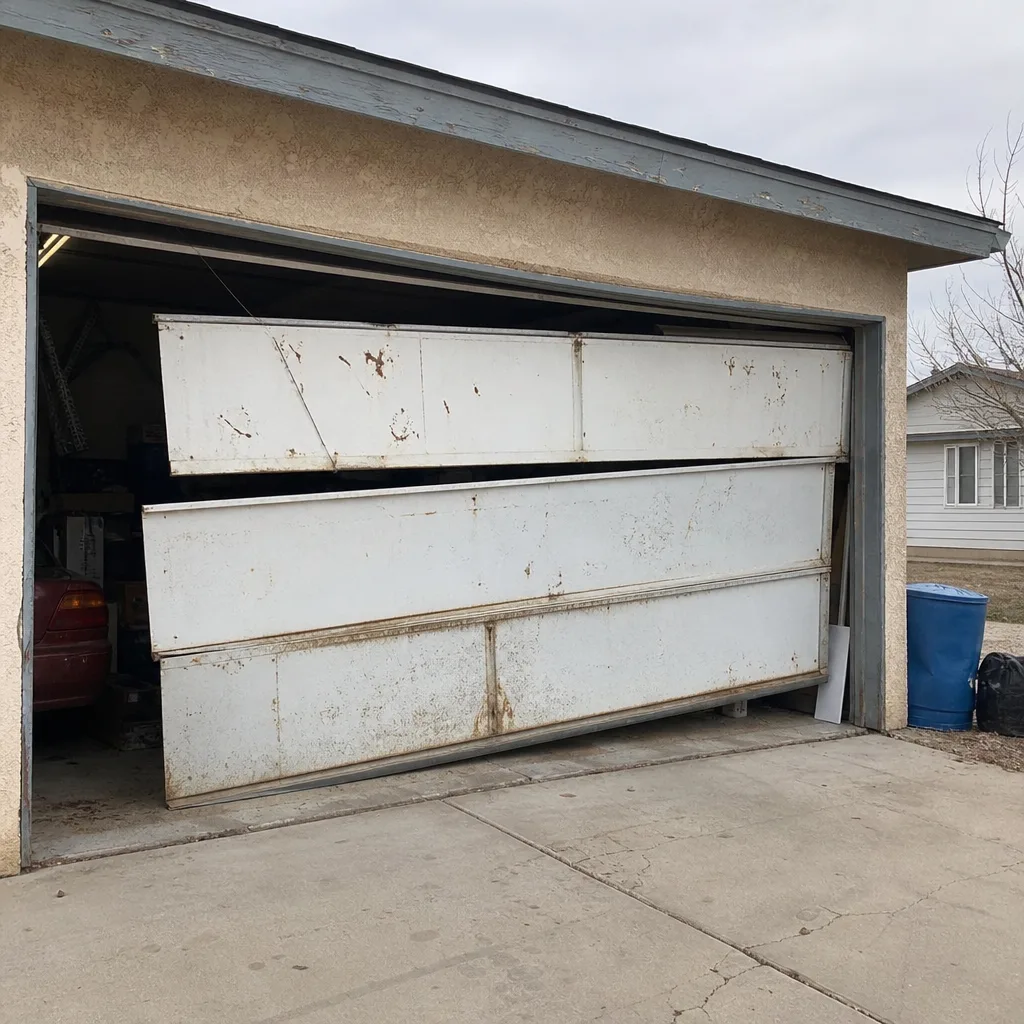 Before
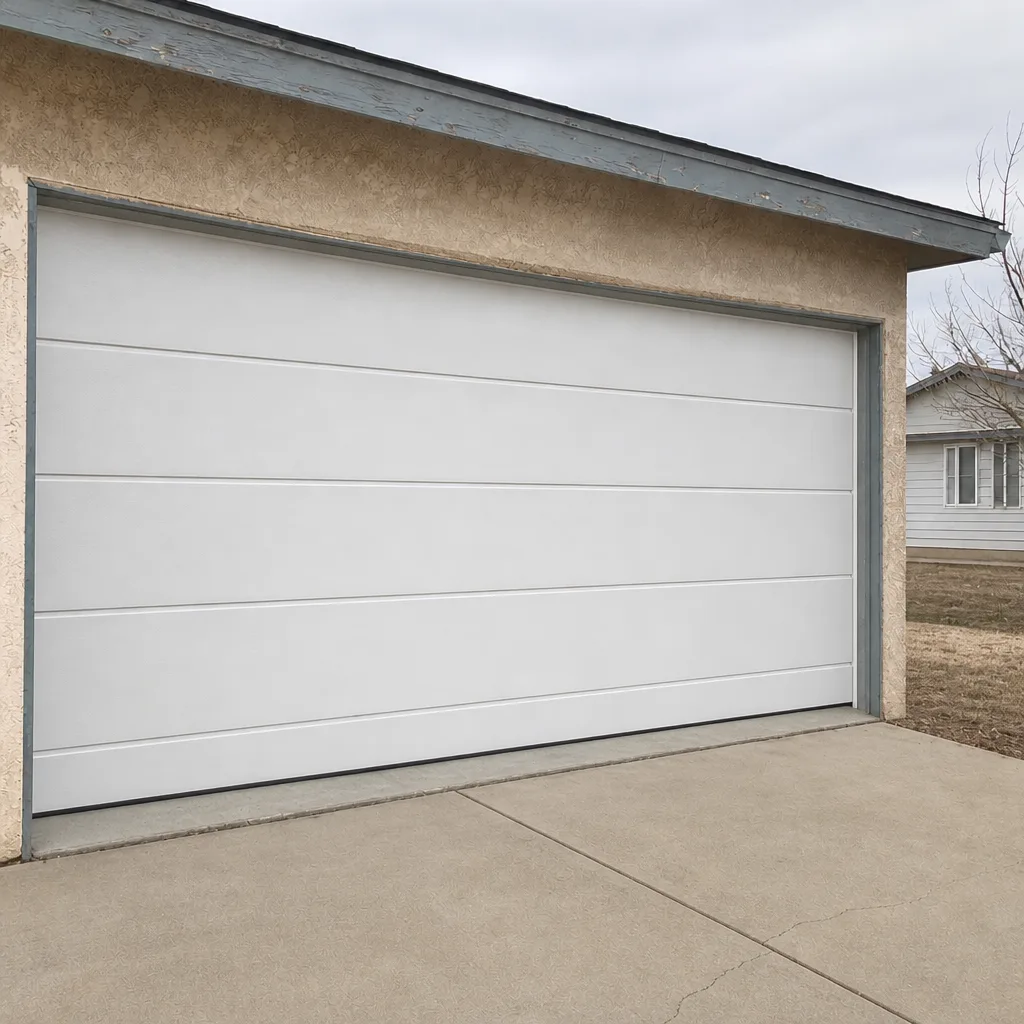 After
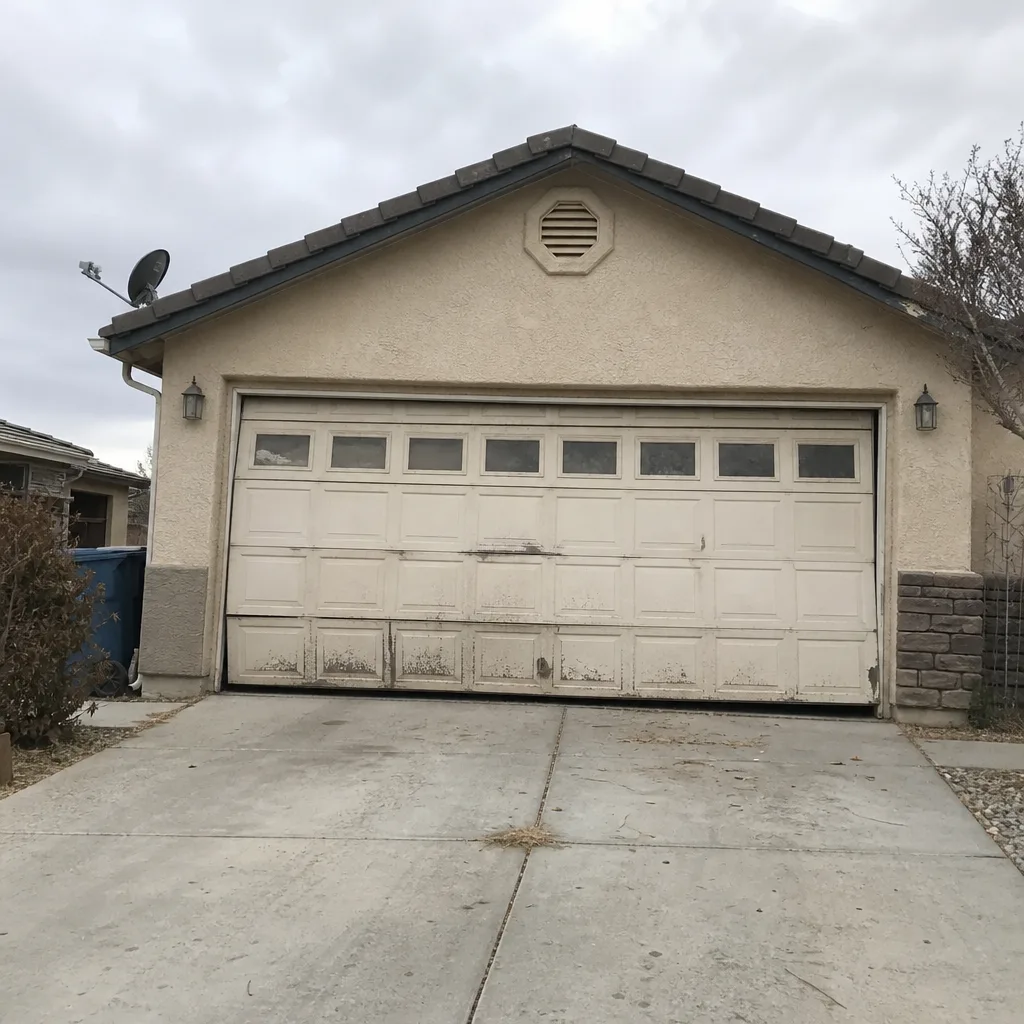 Before
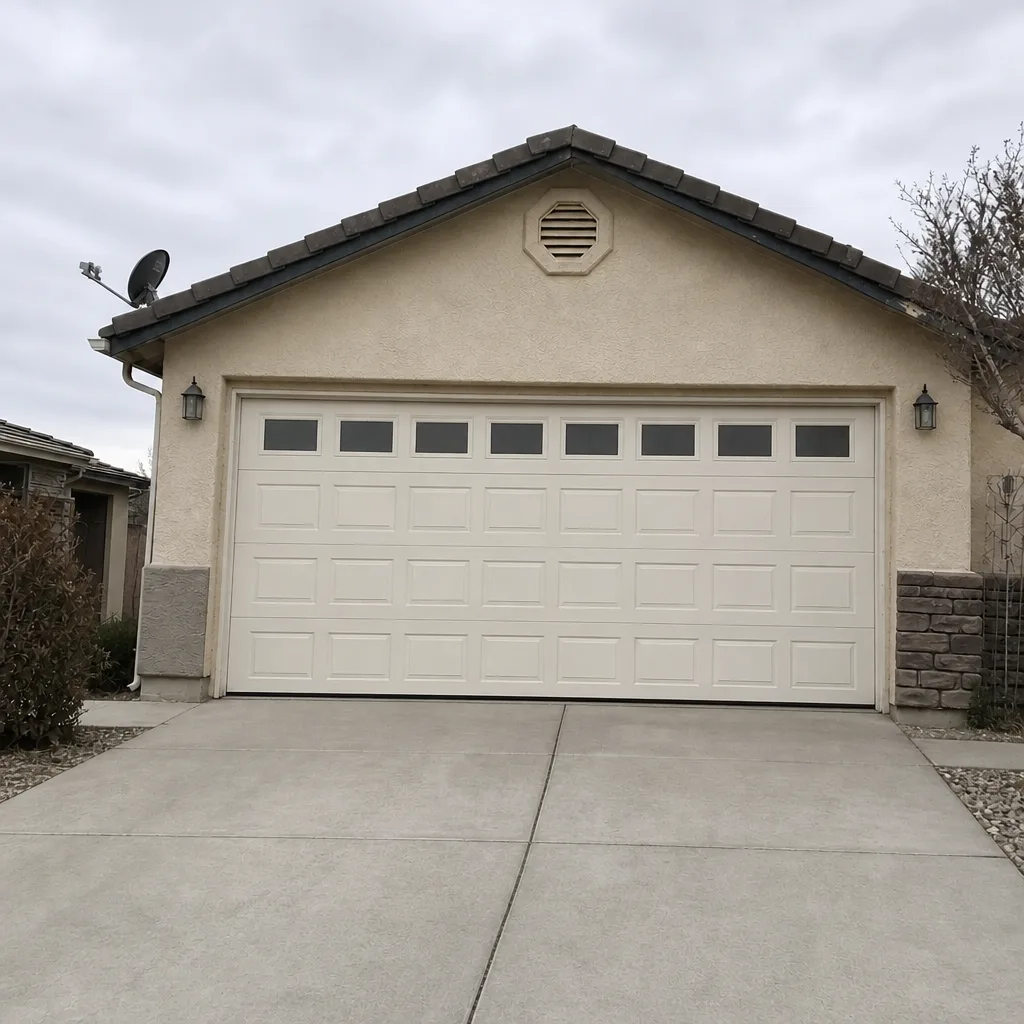 After
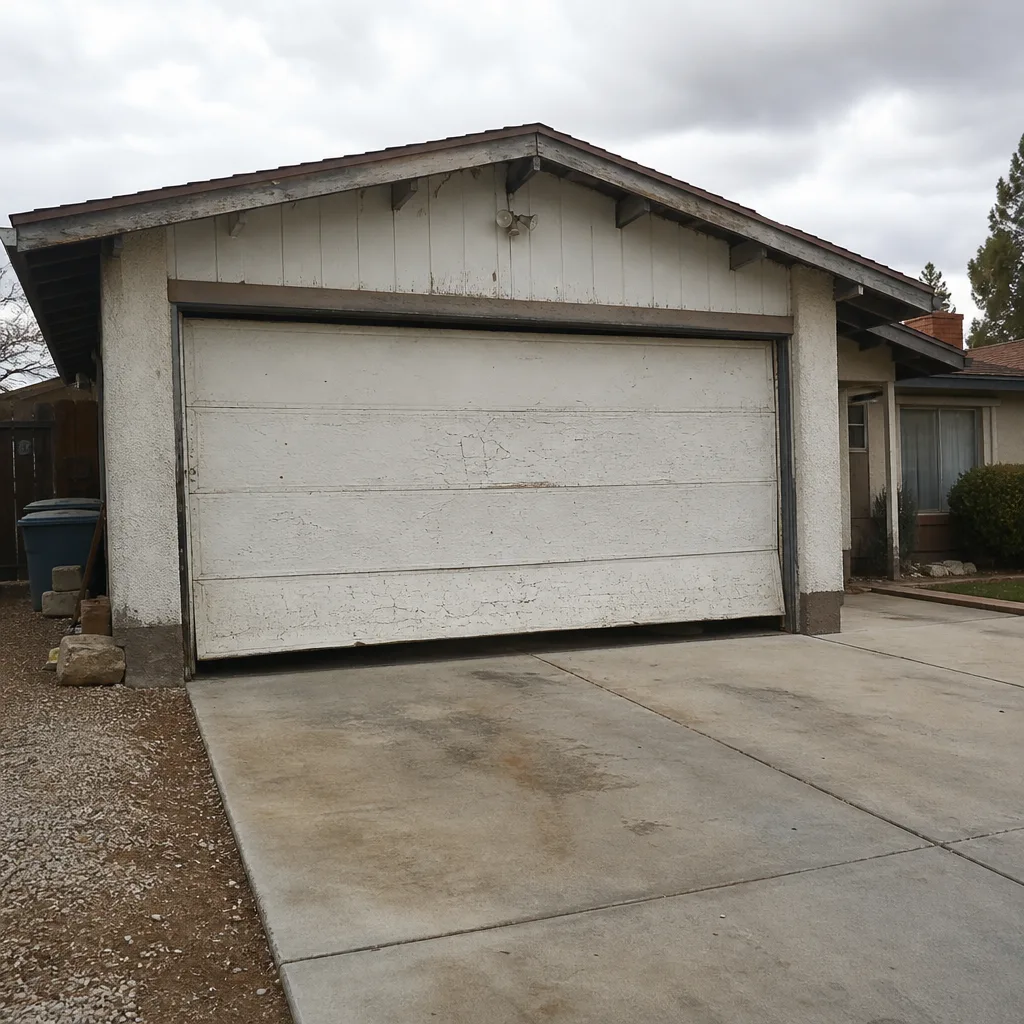 Before
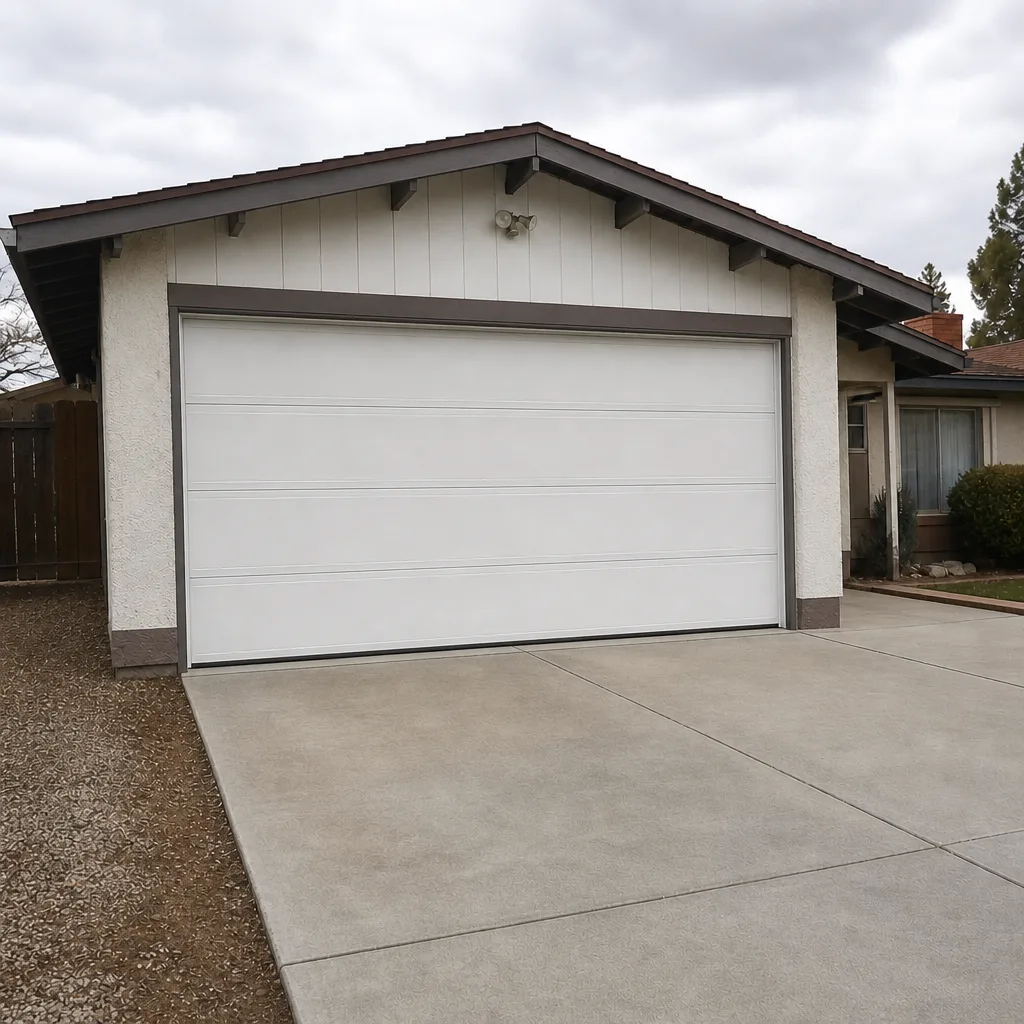 After
Frequently Asked Questions
Often, yes, but it depends on the brand and the specific document. Many manufacturers require professional installation as a condition of coverage, and the clause is buried in the warranty PDF rather than on the product page. Read the specific warranty for the specific door you’re buying before you buy, and if the language is unclear, ask the manufacturer in writing. Call (888) 255-7680 and we’ll help you find the clause; estimates are free.
Removing the old door (after a professional relaxes the springs), prepping the opening, painting trim, installing weatherstripping, and mounting a wall button or keypad are reasonable. Spring tensioning, header bracket positioning, track alignment, and opener calibration are not. If you’re doing the removal yourself, have the springs relaxed by a professional first. Call (888) 255-7680 for a free estimate on the parts that aren’t safe to DIY.
For a first-time installer working alone, expect 8 to 14 hours spread across two days, plus another 3 to 5 hours if you’re installing a new opener. A professional crew completes most single-car installations in a few hours because the work is routine. The difference isn’t speed for its own sake; it’s that a pro has already made the mistakes on someone else’s house. Call (888) 255-7680 for a written quote to compare against your weekend.
Yes, but the work needs to be scheduled around the hottest part of the day, and materials need to be shaded until install. Metal panels and track expand in direct sun, and torque values change as the metal heats up. Most professional installers in Mesquite start early and finish before the afternoon peak. Call (888) 255-7680 and we’ll schedule around your household’s routines.
Not with us. Our written price is delivered before any work begins, and the number doesn’t change once the door is unloaded. If the rough opening needs correction, we measure it during the estimate, so the price reflects reality rather than an estimate that gets adjusted later. Call (888) 255-7680 for a written free estimate.
Yes. Our technicians are background-checked, uniformed, and insured, and every job is backed by our 365-Day Done Right Promise. Shoe covers and drop cloths are standard on every visit, along with quiet tools if someone in the house is sleeping, and we photograph the clean-up before we leave. Call (888) 255-7680 for a free estimate.
The Bottom Line
Full garage door installation sits in a category where DIY isn’t really about whether you have the skill. It’s about whether the door you just bought is still covered by the warranty if something goes wrong, and for most manufacturers, that answer is no unless a professional installs it. Do the work that’s genuinely safe: read the warranty first, measure the rough opening before ordering, prep the space, and handle the trim and weatherstripping. Leave the spring tensioning, header bracket, and opener calibration to someone who’s done it hundreds of times. The math on DIY works out better than it looks at first, but only when you compare honestly. If you’re in Mesquite and want the full picture on the installation side, our Fernbrook Garage Door Repair Mesquite home page is the place to start, and we’re here when you want a real number.
Call (888) 255-7680 for a free estimate. A live person answers, 24 hours a day, 7 days a week. No voicemail.
Written by the team at Fernbrook Garage Door Repair Mesquite.