
Last updated November 17, 2026
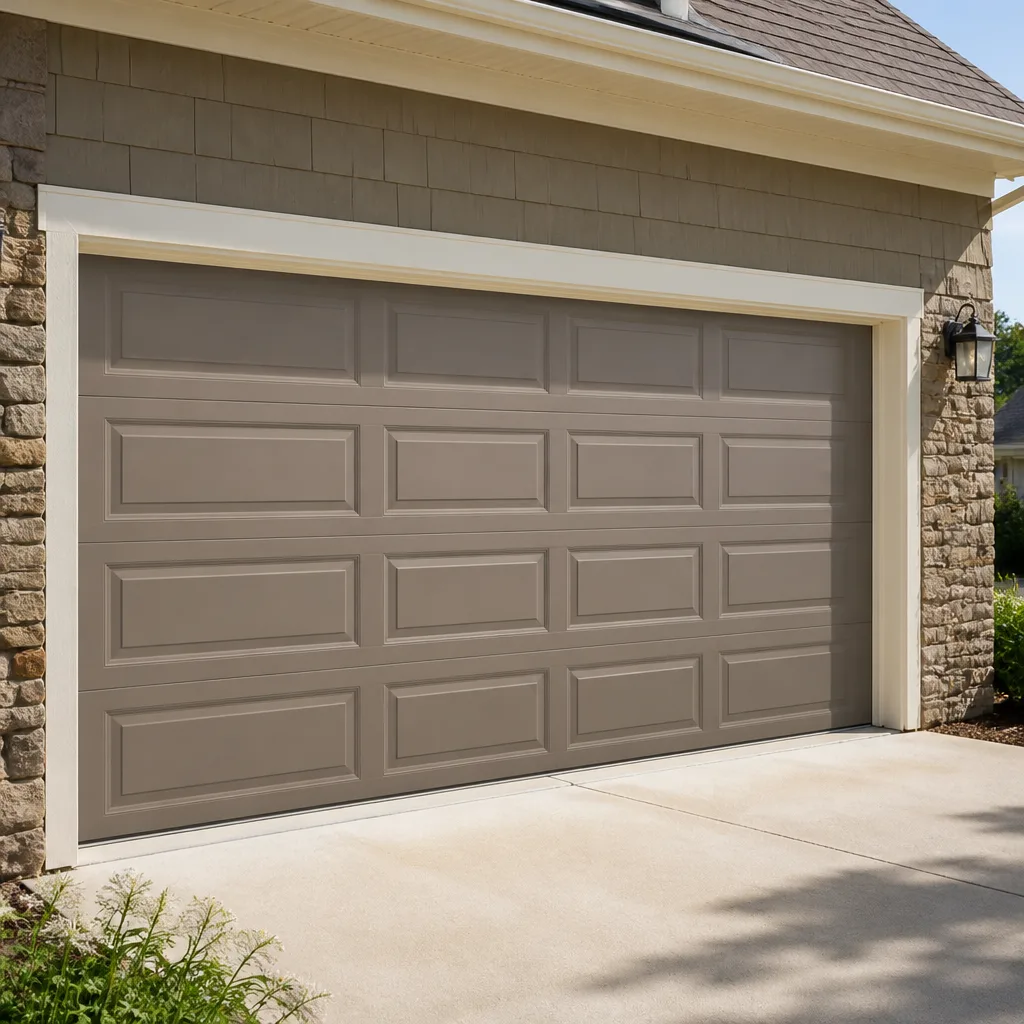 Raised-panel steel
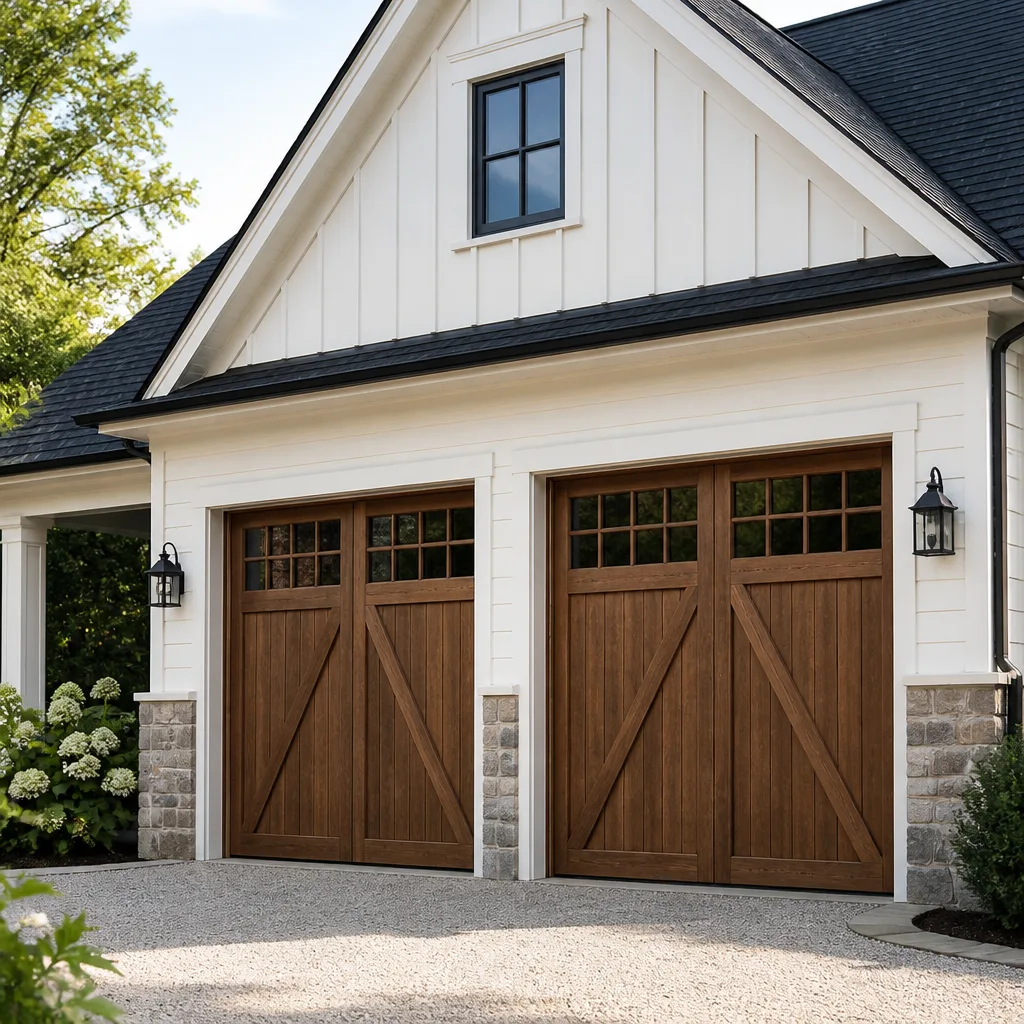 Carriage house
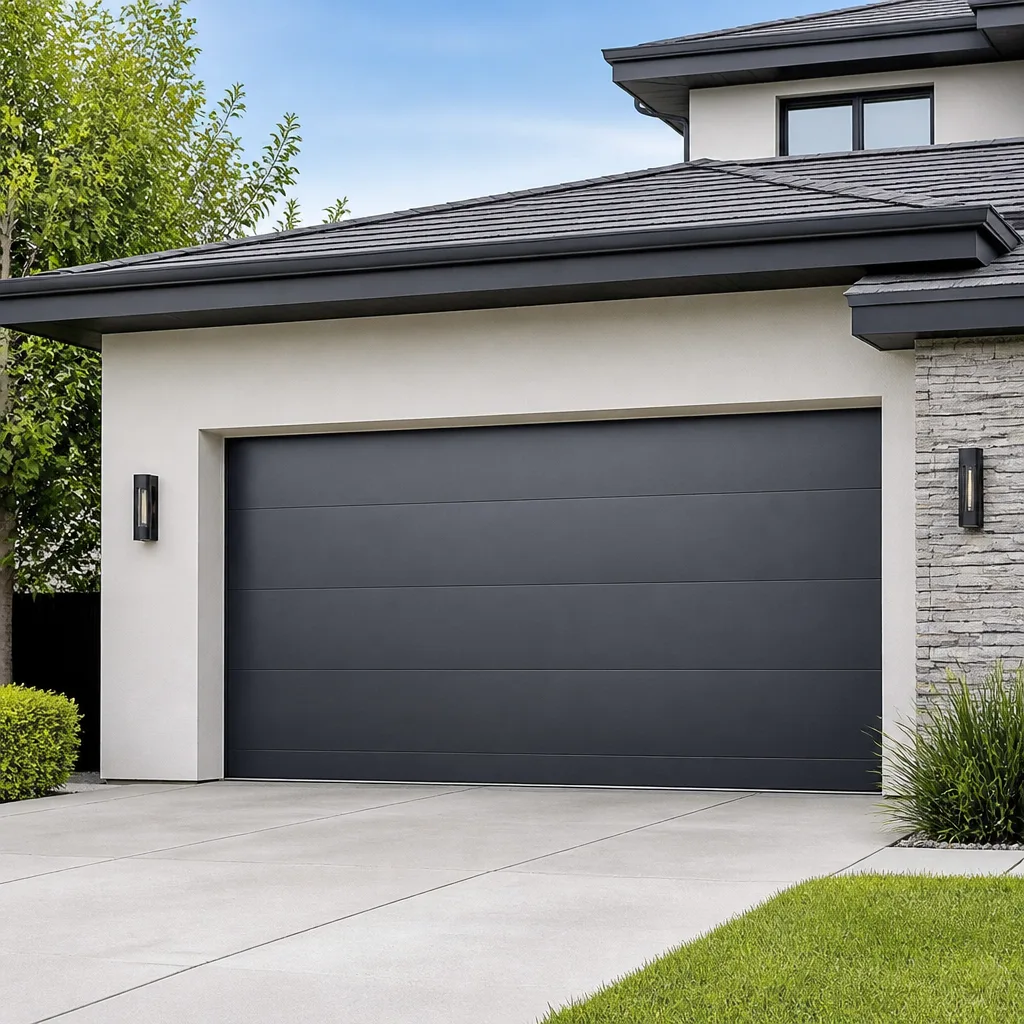 Modern flush
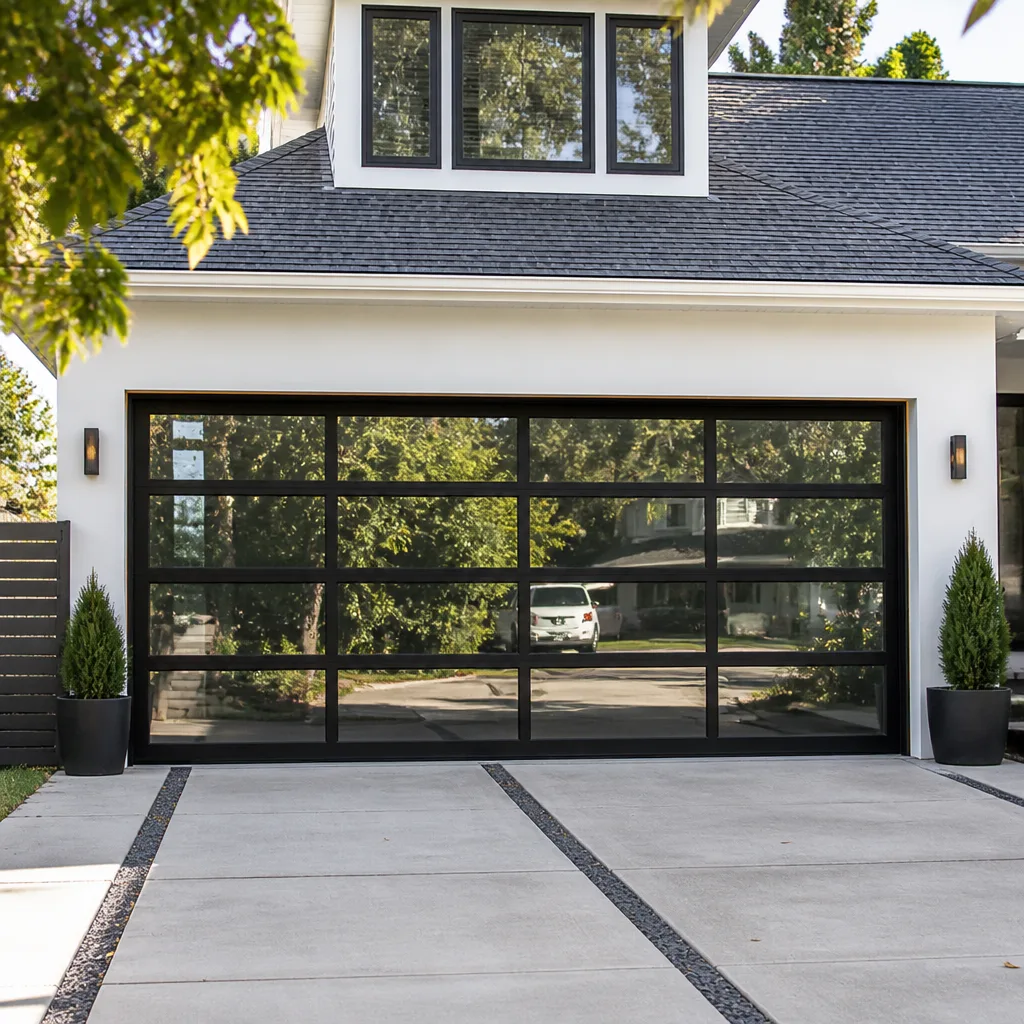 Full-view glass
 LiftMaster openers
 Chamberlain openers
Full 25-point door and opener safety check with every visit - springs, cables, rollers, tracks, and your LiftMaster or Chamberlain opener included
You get a price before we start. It does not change when the pro arrives.
Get your free estimateGarage Door Opener Repair Troubleshooting: Common Problems and How to Fix Them
An opener that runs but the door doesn’t move is a drive mechanism problem. An opener that doesn’t respond to the remote but works from the wall button is a frequency or battery problem. An opener that reverses immediately after touching the floor is a force calibration problem. These aren’t mysteries, they’re a readable map. Most of the opener calls we handle in Mesquite trace back to one of five root causes, and each cause leaves a recognizable pattern of symptoms. Learn the map below and you’ll know what’s wrong before anyone shows up, which means the right parts arrive on the first visit and the invoice matches the estimate. We’ll walk through each failure mode, sensor alignment, force settings, logic board symptoms, and how to talk to a technician.
Quick Answer
To troubleshoot a garage door opener, divide the problem into five patterns: no response at all (power, battery, or logic board), runs without moving the door (drive gear, belt, or chain), reverses after touching the floor (safety sensor or force setting), noisy but weak (worn gear or tired motor), and wall button works but remote doesn’t (remote battery, frequency, or limit). Each pattern points to a different cause, and identifying yours first is what makes a repair visit faster and cheaper. If the door won’t move or the spring looks broken, stop and call (888) 255-7680 before touching anything.
Styles & brands we work with
- Raised-panel steel
- Carriage house
- Modern flush
- Full-view glass
- LiftMaster openers
- Chamberlain openers
Table of Contents
- The Symptom-to-Cause Map: Five Failure Patterns
- Safety Sensor Problems: Why the Door Reverses
- Force and Travel Limit Settings: When to Adjust and When to Stop
- Logic Board Failures That Mimic Simple Problems
- Wall Button Works but the Remote Doesn’t
- Noisy but Weak: What Your Opener’s Sound Is Telling You
- How to Explain Your Finding to a Technician
- Mesquite Heat, Dust, and Opener Wear
The Symptom-to-Cause Map: Five Failure Patterns
Before you touch a single button, write down what the opener actually does. The pattern is the diagnosis. Here are the five failure modes we see most often in Mesquite, and what each one usually means.
- No response at all. Nothing moves, no sound, no light. Check the outlet, the breaker, and the opener’s own LED. If the wall button still works, the problem is upstream of the motor (power or control). If nothing works, suspect a tripped GFCI, a dead logic board, or, in a home with a battery backup unit, a failed battery.
- Runs but doesn’t move the door. You hear the motor spin but the door stays put. This is a drive problem: stripped gear (LiftMaster and Chamberlain units with nylon gears are common culprits), a snapped belt, a slack chain, or a broken trolley connection to the door arm.
- Reverses unexpectedly after touching the floor. The door closes, touches, and bounces back. Force calibration or a misaligned safety sensor. Covered in detail below.
- Noisy but lacks force. The door moves sluggishly, groans, or stalls partway. Worn gear, tired motor capacitor, or a door that’s heavy because of a spring problem. That last one matters. An opener that’s working too hard is often a symptom of a door that’s out of balance.
- Wall button works, remote doesn’t. The door runs fine from the wall but ignores the remote. Remote battery, frequency interference, antenna length, or a receiver issue inside the logic board.
When you call, naming your pattern (“it runs but the door doesn’t move”) tells us which parts to bring. For a full look at the repair scope on the door itself, see Garage Door Repair in Mesquite.
Safety Sensor Problems: Why the Door Reverses
The two small lenses at the bottom of the door tracks are the safety reversing system, and they’re responsible for more “my door won’t close” calls than any other part. Each sensor has an LED indicator. On most LiftMaster and Chamberlain models, one sensor (the sending unit) glows steady, and the other (the receiving unit) glows steadily when they’re aligned. A blinking or dark receiving sensor means the beam is broken or misaligned.
Here’s how to identify and realign them without tools:
- Look at both sensor LEDs. A steady light on the sending unit and a steady or faint light on the receiving unit means the beam is being seen. A blinking receiving unit means it’s not.
- Trace the invisible line between the two lenses. Is the beam blocked? A rolled-up newspaper, a bicycle, a snow shovel leaning against the track, or a dangling cord will trip it every time.
- If the receiving sensor’s light blinks when the door is down but is steady when the door is up, the door’s downward travel is casting a shadow or the sensor is mounted slightly low. Check that neither lens has slipped below the door’s bottom edge.
- With the door open and the sensors 6 inches off the floor, gently rotate the receiving unit left and right by hand. Watch for the LED to go from blinking to steady. That’s your alignment point.
- Finger-tighten the wing nut (no wrench needed) and confirm the light stays steady as you walk in front of the beam and break it deliberately.
- Wipe both lenses with a dry cloth. In Mesquite, fine dust settles on them within a week and mimics a misalignment.
If the light won’t go steady after realignment, the sensor itself may be dead, or the wiring has a break at the track staple. That’s a job for a technician with a meter.
Force and Travel Limit Settings: When to Adjust and When to Stop
The opener’s logic board has two adjustments: force (how hard it pushes) and travel limit (how far the door travels up and down). Reversing problems at the floor almost always live in one of these two settings. Most Genie and legacy Craftsman units have two small screw adjusters on the back or side panel; modern LiftMaster and Chamberlain units use dials or, on the newest models, a menu on the wall control.
Adjusting force within a narrow range is a normal homeowner fix. Turning it up because the door is heavier than it used to be is not. That’s the sign of a mechanical problem adjustment won’t fix, and forcing the opener to push harder will eventually strip the gear or burn the motor. Stop and call when:
- The door has become noticeably heavier to lift by hand since the last adjustment
- The door drifts halfway down on its own when released mid-travel
- You’ve turned the force adjustment up more than a quarter turn and the door still struggles
- The travel limit needs to be moved more than a fraction of an inch to make the door close cleanly
Any of these point to a spring, cable, or track problem rather than an opener problem. Our Garage Door Spring Repair in Mesquite page covers the balancing side of things. There’s also a safety point here that’s worth taking seriously: garage door springs and the cables under tension are the parts that hurt people. Don’t ever look at a broken spring as a DIY fix. A trained professional is the right call every time.
Logic Board Failures That Mimic Simple Problems
An aging logic board can impersonate every other fault on this page. We’ve seen homeowners replace three remote batteries, a wall button, and a set of safety sensors before the real culprit turned out to be a $95 circuit board. The giveaway is inconsistency. If the symptoms come and go, if the same button works one day and not the next, if the opener opens sometimes and reverses other times for no reason, the board deserves suspicion.
Logic board failure symptoms that trip people up:
- Random reversals mid-travel with no obstruction and sensors that test correctly
- Wall button works, remotes work, then nothing works for ten minutes, then it all works again
- The opener’s light flicks on and off without a command
- Repeated clicking from the motor head without motion, or a low hum that stops after a few seconds
- Remote and wall button operate different openings in a multi-door home in a way that doesn’t match the set programming
On LiftMaster and Chamberlain units with a learn button, you can sometimes clear the memory and re-pair the remotes as a test. If the problem returns within a day, the board needs replacement. On older Craftsman units (many pre-2010 models are still opening doors in Mesquite homes), logic board replacement often isn’t worth it, and a modern opener is the more economical path. Our Garage Door Installation in Mesquite page walks through what a replacement involves.
Wall Button Works but the Remote Doesn’t
This pattern is one of the cleanest to diagnose because the wall button flushes out whether the opener itself is healthy. If the door runs from the wall button, the motor, gear, and sensors are all fine, and the problem lives in the remote side of the system. Work from cheapest to most expensive:
- Replace the remote battery with a fresh one, not one from the junk drawer. Most remotes use a 3-volt coin cell (CR2032 is common on newer LiftMaster and Chamberlain remotes).
- Hold the remote 3 to 5 feet from the opener. If it works up close but not from the driveway, the antenna on the opener head is too short or kinked. Uncoil any hanging antenna wire and hang it straight down.
- Press the remote while standing outside near the door opener. If a neighbor’s LED light flickers or their door moves, you’re picking up each other’s signal and both remotes need re-pairing.
- Re-pair the remote to the opener following the manufacturer’s process (usually press the learn button once, then hold the remote button within 30 seconds).
- If re-pairing fails on a working remote, suspect the receiver inside the opener’s logic board.
Frequency interference has gotten more common in Mesquite’s newer subdivisions where homes sit close together and every garage uses the same 315 or 390 MHz band. If two neighbors’ remotes keep trading signals, the fix is re-pairing with a rolling code reset, or upgrading to a Security+ 2.0 opener that hops frequencies.
Noisy but Weak: What Your Opener’s Sound Is Telling You
The motor’s sound is diagnostic. A healthy opener hums with a steady rhythm. A dying one grinds, rattles, or shudders. In Mesquite’s heat, the nylon drive gear inside many LiftMaster and Chamberlain openers gets brittle over several summers and sheds teeth, producing a metallic grind right before it fails completely. A loose chain or belt ticks rhythmically with each rotation. A tired motor capacitor on a legacy Craftsman unit struggles on cold mornings and then works fine by midday.
Sound is also the reason families call us during school hours instead of after bedtime. Our technicians carry quiet tools, ask before moving a dog crate or a sleeping child’s bicycle out of the way, and can often do a repair while a toddler is napping, because the loudest part of the job is opening and closing the door twice for testing. If a repair requires extended noise, we’ll tell you upfront and offer to schedule it around your household’s quieter hours.
If the noise is paired with a sluggish door or a door that feels heavier than it used to, have us look at the door balance as well as the opener. A working opener isn’t the whole job; a door that closes smoothly and quietly for the next several years is.
How to Explain Your Finding to a Technician
When you call, you can cut the visit time by 20 to 30 minutes just by arriving with a clear description. Here’s what to have ready:
- The pattern from the symptom map above. “It runs but the door doesn’t move” or “wall button works, remote doesn’t.”
- The opener’s make and model. Usually on a sticker on the back of the motor head. Fernbrook Garage Door Repair Mesquite home has more on what we work on, but knowing yours helps us arrive with the right board or gear.
- The age of the opener if you know it. A 17-year-old unit and a 4-year-old unit get different diagnostic paths.
- What you’ve already tried. Fresh remote battery, sensor wipe, breaker reset. No judgment here; this saves time.
- Any recent change in the door’s behavior. Did it start after a power outage, a storm, or a houseguest parked in the driveway too close to the sensors?
- The door’s own feel. Does it seem heavier than last month? Any visible bent track, frayed cable, or sagging top section?
We answer the phone 24 hours a day, seven days a week, with a live person, not a voicemail tree. That means when a logic board starts failing at 9 p.m. and the car is trapped inside, you can talk through the pattern with us right then. Before any technician touches the door, you’ll get a written price for the visit, and that price doesn’t change when they see the door in person. We’ve built the whole company around that, from the C.A.R.E. values our technicians follow (clean up like it’s our own home, ask before we move or touch anything, respect the family’s time and quiet hours, explain the price before the work) to the shoe covers and drop cloths we bring inside on every visit.
Mesquite Heat, Dust, and Opener Wear
Opener parts fail faster in Mesquite than in cooler, wetter climates, and the pattern matters for your repair timeline. The high summer heat inside an unventilated garage routinely pushes 20 to 30 degrees above outdoor air temperature, which accelerates the wear on nylon gears, motor capacitors, and the plastic housing of safety sensors. The desert dust we get on spring wind days settles on sensor lenses, coats the drive chain, and creeps into the light socket housing, where it can fog the lens and dim the opener’s safety light. The combination means a Mesquite opener often needs new gear or a sensor cleaning well before the same model in another climate would.
A yearly wipe-down of the sensor lenses, a light chain lubrication in the fall, and a check of the door’s balance each spring stretch opener life substantially here. If you’re not sure how to check balance safely, call us. That check is part of what we do on a service call. And for the door itself, we’ve handled springs, cables, and openers across all Mesquite neighborhoods long enough to know which brands hold up best in this climate. Reach us at (888) 255-7680 for a free estimate.
Common Mistakes to Avoid
- Maxing out the force adjustment to compensate for a heavy door. If the door is heavier than it used to be, the spring or cable is failing, and pushing harder will strip the drive gear. Diagnose the door, not the opener.
- Replacing the remote before testing the wall button. If the wall button works, the remote is the problem. If it doesn’t, the remote was never the issue. Save the $30.
- Ignoring a blinking sensor light and assuming the sensors are fine. A blink means the beam isn’t being seen, even when the lens looks clean. Wipe it, then realign it, then test it.
- Adjusting travel limits without watching the door’s full cycle. Watch the door from open to close before and after any adjustment. A setting that looks right at half travel can force the door into the floor at the bottom.
- Skipping the balance test after a new opener install. A new opener on an unbalanced door will fail early, and the 365-Day Done Right Promise covers installation mistakes, not the consequences of a door that was already out of balance.
- Tightening the chain too tight. A chain should have about half an inch of slack. Over-tightening wears out the trolley and adds noise.
- Trying to adjust a spring or cable yourself. These parts hold the door’s full weight under tension and are genuinely dangerous. No amount of online research makes them a DIY job.
See the difference
 Before
 After
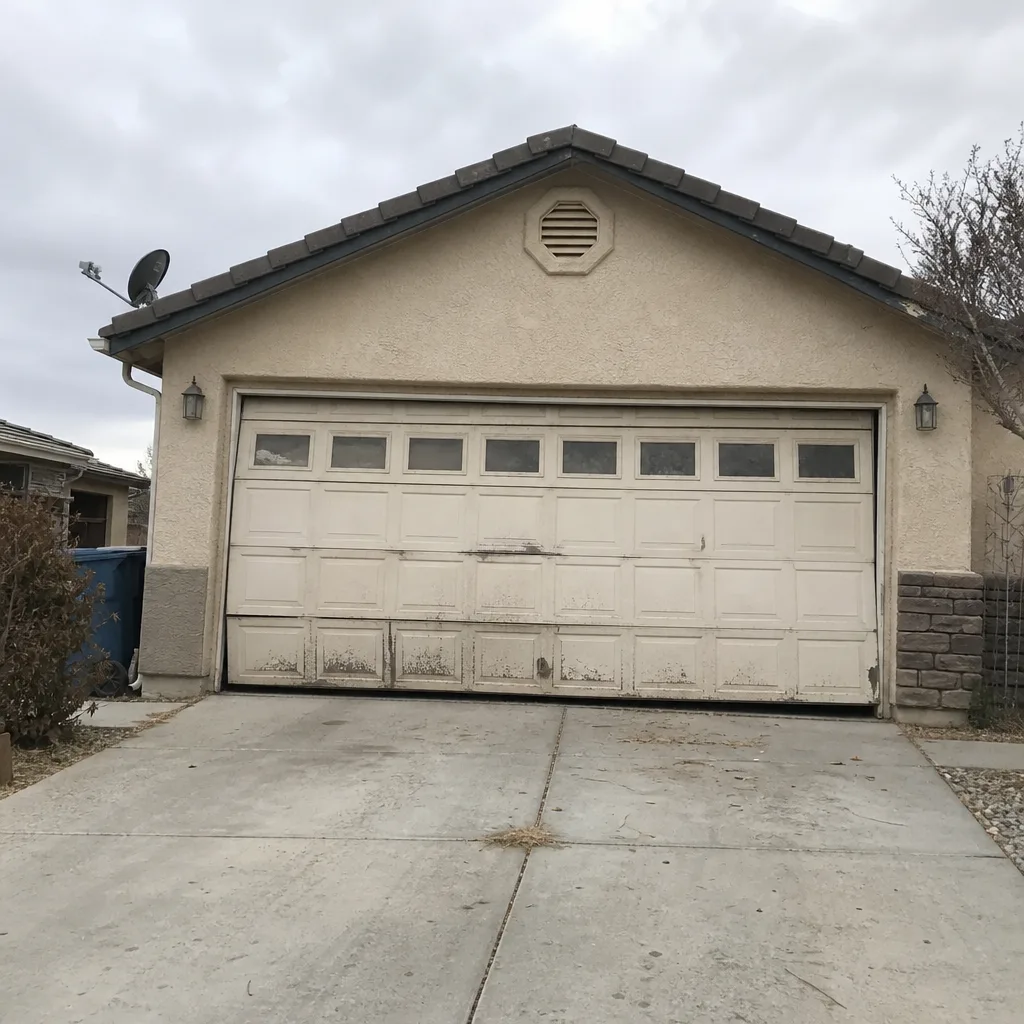 Before
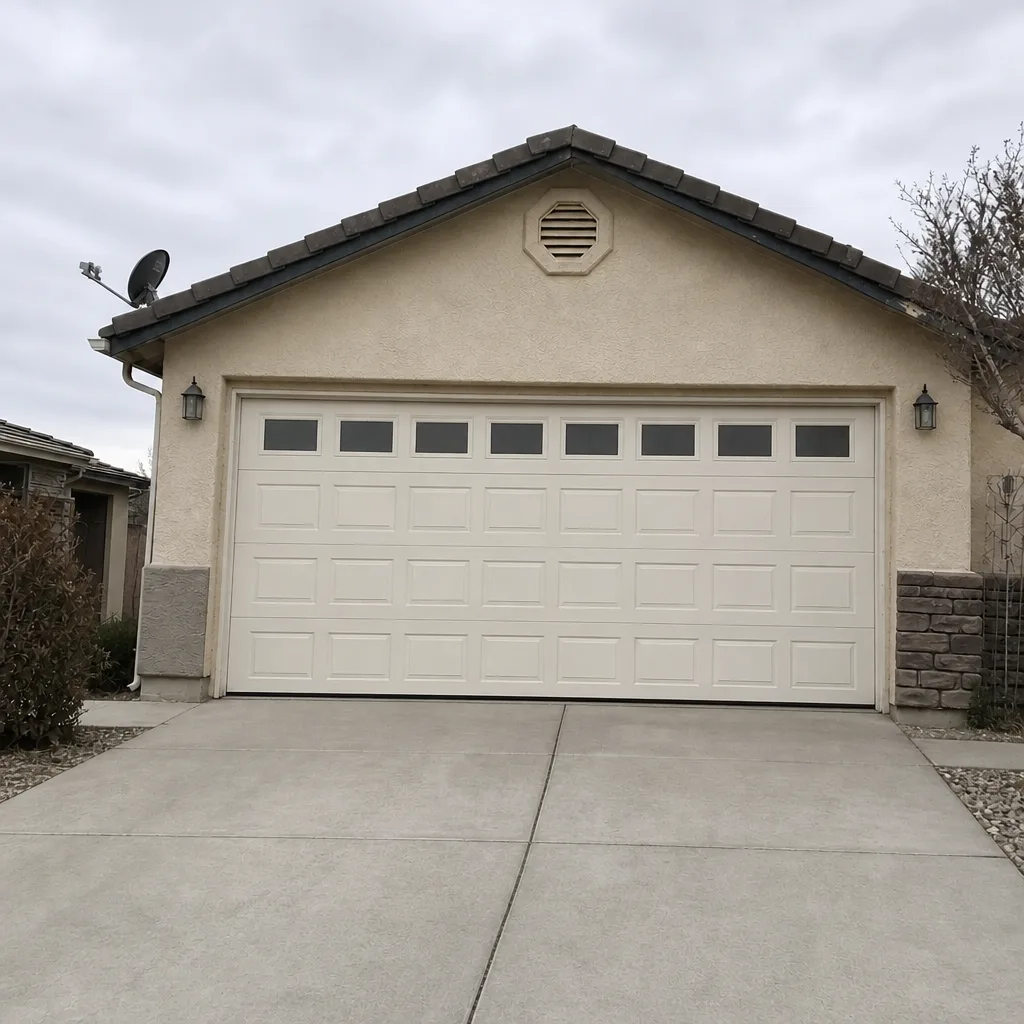 After
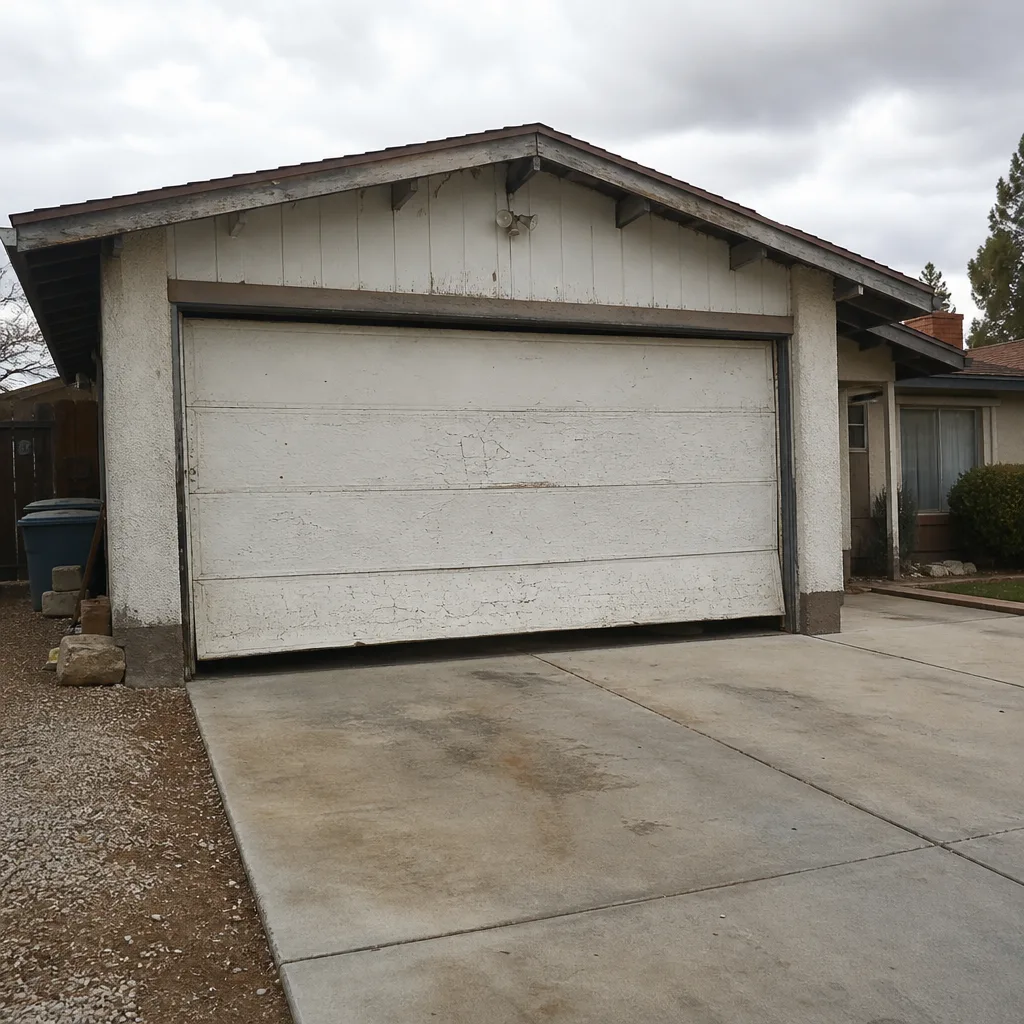 Before
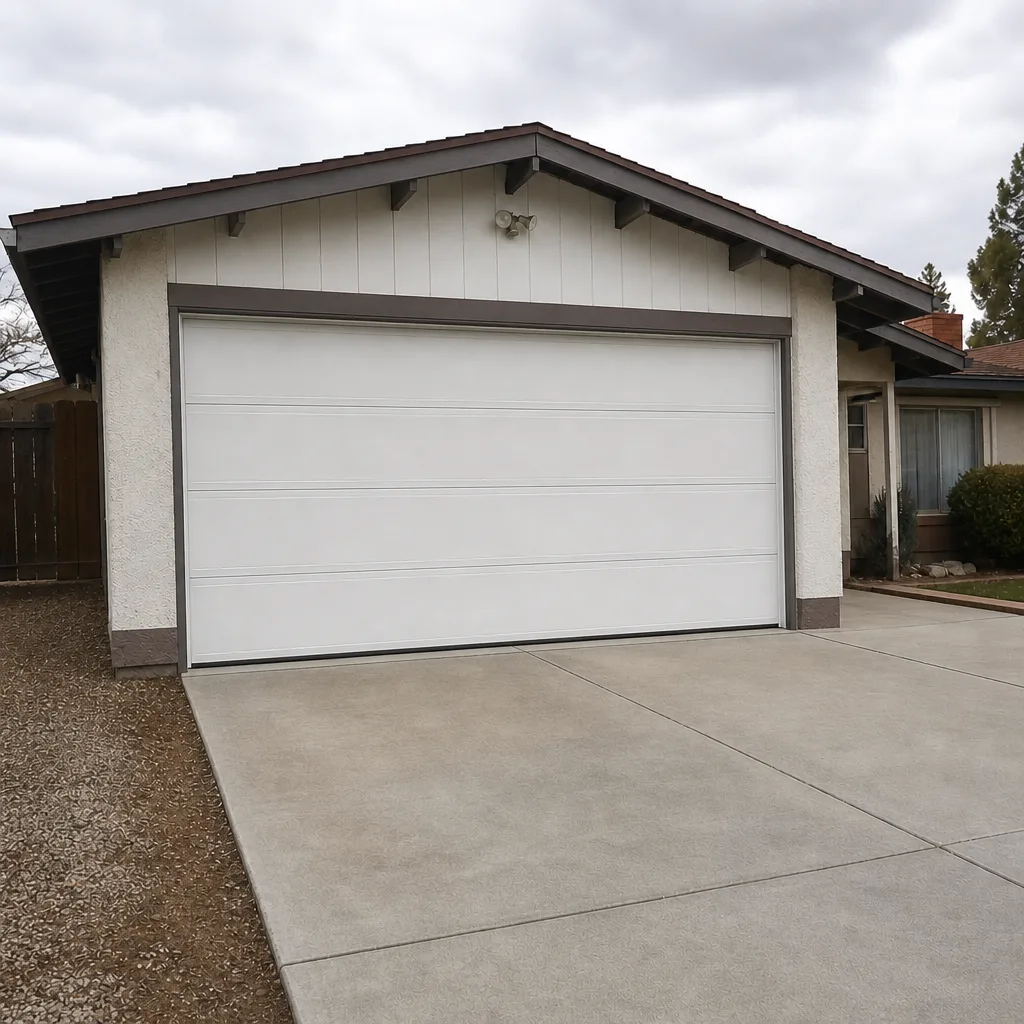 After
When to Call a Professional
Call a professional when the symptom pattern points to the logic board, when the door feels heavy or won’t hold position mid-travel, when you’ve replaced the remote battery and re-paired it without success, when the sensor light won’t go steady after realignment, or any time the door itself is involved (springs, cables, tracks, rollers). Also call if you’re not sure which pattern you’re looking at. A five-minute phone conversation with a technician often eliminates two hours of frustration. Fernbrook Garage Door Repair Mesquite offers free estimates in Mesquite. Call (888) 255-7680, and you’ll reach a live person any hour of the day. Our technicians have up to 24 years of experience, are background-checked and uniformed, and arrive with a written price in hand.
Frequently Asked Questions
You can safely handle remote batteries, sensor lens cleaning, sensor realignment by hand, and re-pairing remotes to the opener. Anything involving the door’s springs, cables, tracks, or a suspected logic board failure should be handled by a trained technician. When in doubt, call (888) 255-7680 and describe the pattern. We’ll tell you honestly whether it’s something you can handle or something we should see.
The problem is in the remote or the opener’s receiver, not the motor. Start with a fresh battery, then re-pair the remote, then check the opener’s antenna wire. If re-pairing fails on a remote you know works, the receiver is failing and the logic board likely needs replacement. Call (888) 255-7680 for a diagnostic visit; estimates are free.
A steady light on both safety sensors means the beam is being seen and the door should close normally. A blinking light on the receiving sensor means the beam is blocked, misaligned, or the sensor has failed. Wipe the lens and re-aim the receiving sensor by hand; if the blink won’t clear, call (888) 255-7680.
Most opener repairs in Mesquite land between $120 and $340 for common parts like sensors, remotes, drive gears, and capacitors, with logic board replacement typically $200 to $350 depending on the brand. Installation of a new opener runs $350 to $650 including labor. Every Fernbrook visit comes with a written price before any work begins. Call (888) 255-7680 for an exact quote on your specific opener; estimates are free.
Not dangerous on its own, but it usually means the force setting is too low or the safety sensor is misaligned, and an opener that reverses at the floor is one adjustment away from the opposite problem: crushing something under the door. Have it looked at rather than dialed in by guesswork. Call (888) 255-7680 if you’d like a technician to check it.
A grinding sound with no door movement is almost always a stripped drive gear inside the opener’s motor head. On LiftMaster and Chamberlain units the plastic gear is a known wear item, especially in hot climates like Mesquite’s. The fix is a gear replacement, not a whole new opener. Call (888) 255-7680 and we’ll confirm the pattern before we arrive. Estimates are free.
The Bottom Line
Most garage door opener problems resolve to one of five patterns, and each pattern has a recognizable signature. Learn to spot the difference between a door that runs without moving (drive problem), one that reverses at the floor (sensor or force), one that’s noisy but weak (worn gear or failing door spring), and one where the wall button works but the remote doesn’t (battery or receiver). Bring that pattern to the phone call and the technician arrives with the right part. And when the symptom points toward a broken spring, a frayed cable, or a logic board that’s failing intermittently, don’t experiment. A trained professional with a written price in hand is the fastest, safest, cheapest path to a quiet door again.
Fernbrook Garage Door Repair Mesquite is here for the calls that go beyond remote batteries. Call (888) 255-7680 for a free estimate, and you’ll reach a live person 24/7. Our technicians are background-checked and uniformed, arrive with shoe covers and drop cloths, use quiet tools during family hours, and leave a photo of the clean-up before we close the door behind us. Every visit is backed by our 365-Day Done Right Promise, and every visit starts with the same thing: a written price, agreed before any work begins. Estimates are free.
Written by the team at Fernbrook Garage Door Repair Mesquite.