
Last updated November 17, 2026
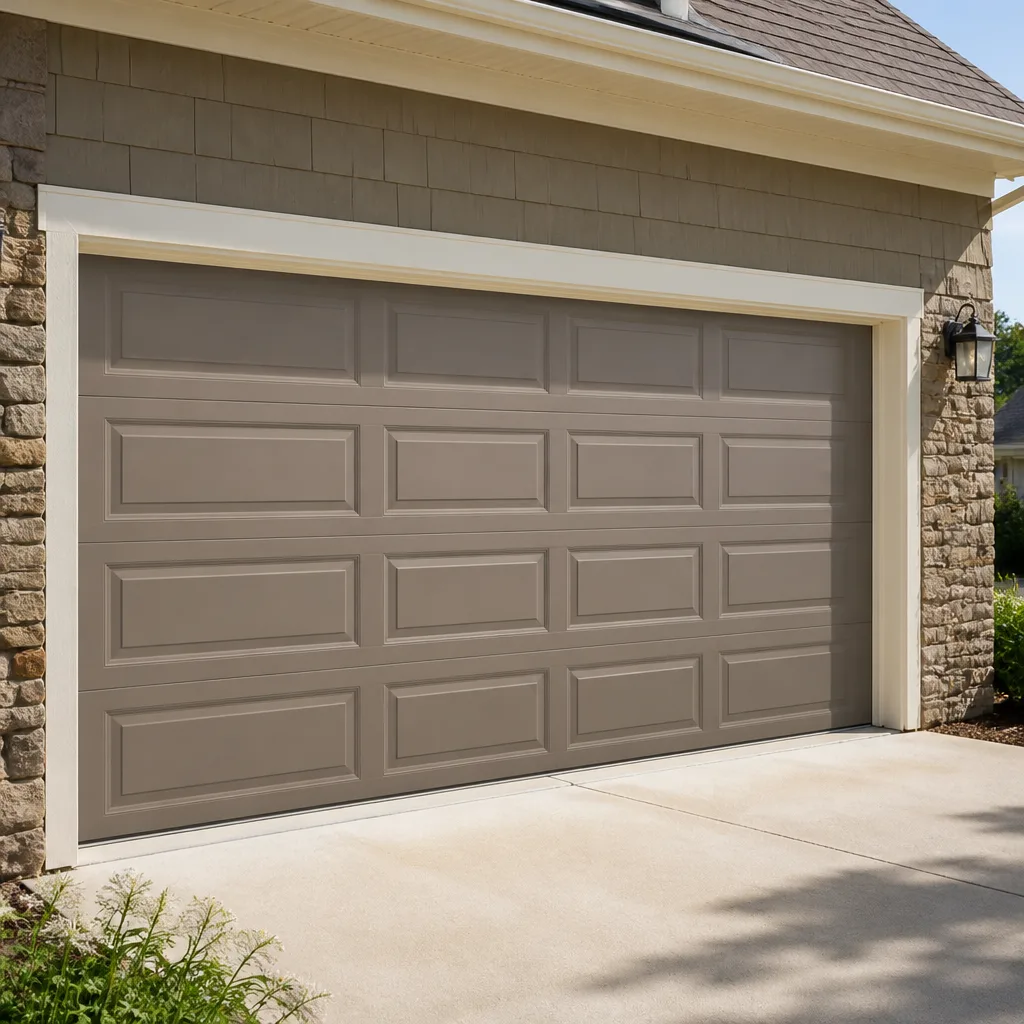 Raised-panel steel
 Carriage house
 Modern flush
 Full-view glass
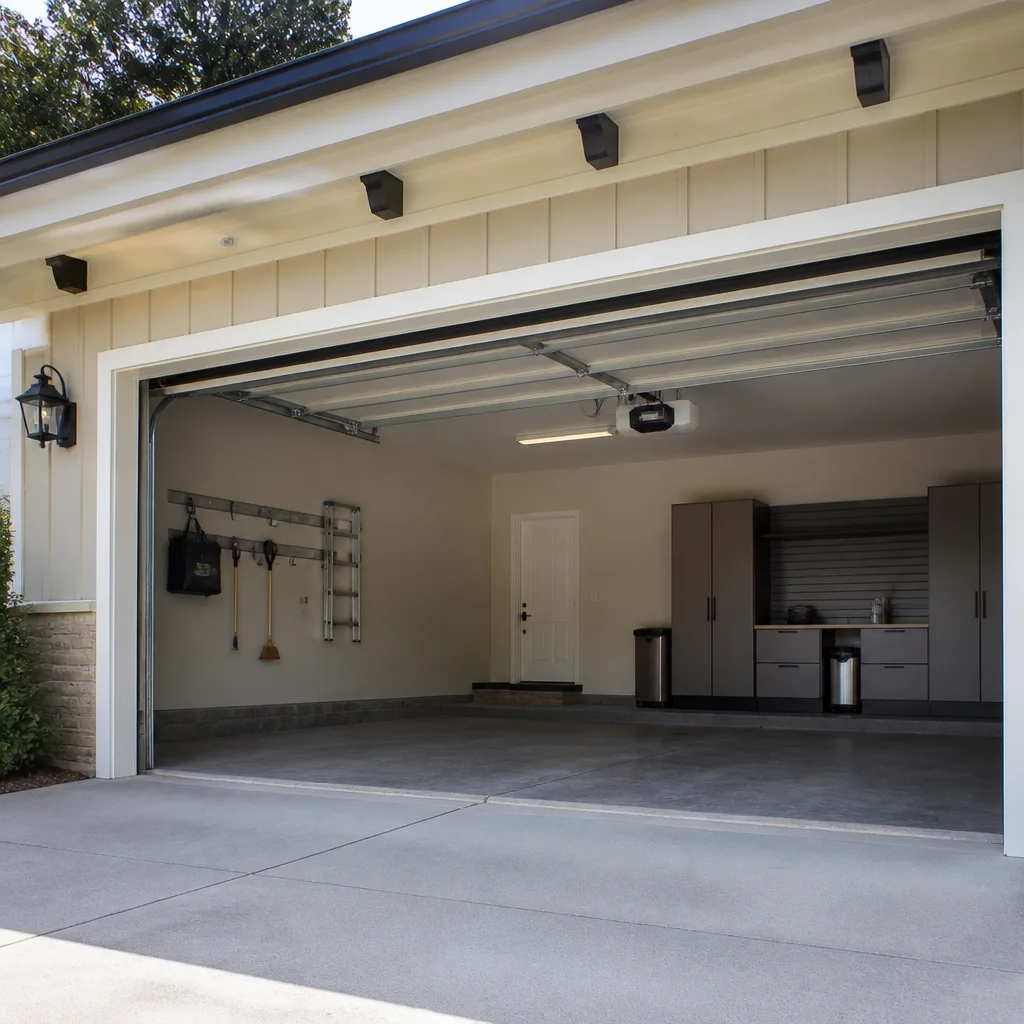 LiftMaster openers
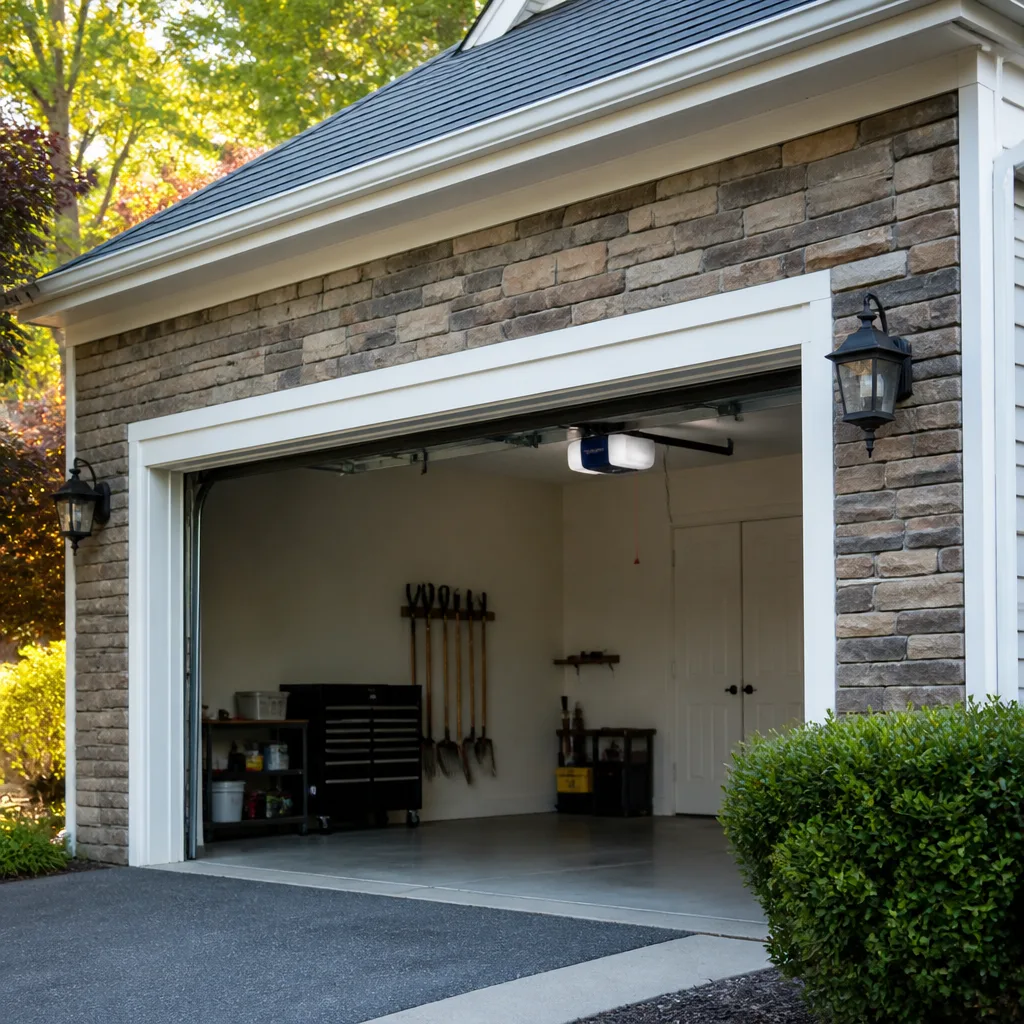 Chamberlain openers
Full 25-point door and opener safety check with every visit - springs, cables, rollers, tracks, and your LiftMaster or Chamberlain opener included
You get a price before we start. It does not change when the pro arrives.
Get your free estimateSeasonal Garage Door Care for Mesquite: Year-Round Homeowner’s Guide
Most garage door care calendars are written for places with four tidy seasons. They tell you to “winterize” in October and forget about the door until spring. Mesquite doesn’t work that way. Here, the door is more likely to fail on a 108°F August afternoon or in a July dust storm than on any winter day. The winter cold snaps we do get are short, but they arrive fast enough to catch dried-out hardware off guard in January.
This guide is built around Mesquite’s actual weather, not a national template. You’ll get a month-by-month task list, the reasoning behind each timing choice, and the one check that catches most problems before they strand your car. We’ve worked on doors across Mesquite long enough to know where the real stress points are.
Quick Answer
Seasonal garage door care in Mesquite peaks in July through September, when monsoon dust, heat buildup, and weather-seal wear combine to put tracks, sensors, and springs under the most strain. The single most useful task is a monthly door balance test, which catches roughly 80% of developing problems regardless of season. Everything else is timing: lubricate before the heat, inspect seals before the monsoon, and check hardware before the January cold snap.
Styles & brands we work with
- Raised-panel steel
- Carriage house
- Modern flush
- Full-view glass
- LiftMaster openers
- Chamberlain openers
Table of Contents
- Why Mesquite’s Climate Breaks the Standard Maintenance Calendar
- The Mesquite Month-by-Month Care Calendar
- Monsoon Season: The Highest-Risk Window for Your Door
- How Extreme Heat Affects Torsion Spring Tension
- The Door Balance Test That Catches Most Problems
- Preparing the Door for a Home That Sits Vacant in Summer
- The Brief Cold Snap: January Hardware Checks
- Common Mistakes to Avoid
- When to Call a Professional
Why Mesquite’s Climate Breaks the Standard Maintenance Calendar
National garage door guides assume a cold winter is the main threat. In Mesquite, the opposite is closer to true. Our summers run long and hot, our monsoon window brings wind-driven dust that gets into everything, and our winters are mild enough that we skip the freeze damage other regions worry about. The result is a stress pattern most checklists get backwards.
Here’s what actually happens to a door in Mesquite over a year:
- Heat buildup expands metal tracks and softens lubricant, so rollers drag and the door runs harder in July and August.
- Monsoon dust packs into track channels and fouls safety sensors, especially with the gusty outflow winds that roll through the Virgin River valley.
- Dry air most of the year pulls moisture out of wood panels and weather seals, causing cracking and gaps before you notice a draft.
- Cold snaps in December and January tighten metal and stiffen old lubricant, which is when dried-out hinges and rollers start to squeal.
The takeaway is simple: in Mesquite, prepare for heat and dust first, and treat winter as a short, sharp check rather than a long prep season. If you’d rather have a trained eye handle the heavy items, our Fernbrook Garage Door Repair Mesquite home page lays out what we cover and how the visit works.
The Mesquite Month-by-Month Care Calendar
This calendar is built around Mesquite’s real weather patterns, not a generic four-season template. You don’t need to do something every month. You do need to do the right thing at the right time.
- January: Cold snap check. Test the balance (see the section below), listen for squeaks, and lubricate hinges, rollers, and the torsion bar. Cold stiffens old grease.
- February: Inspect the weather seal along the bottom for cracking and the side seals for gaps. Dry winter air is hard on rubber.
- March: Tighten the track bolts and check that the door runs level. Spring winds can work loose hardware.
- April: Pre-heat lubricant pass. Reapply a garage-door-rated lubricant so it’s fresh before the first hot stretch. Re-aim safety sensors and clean the lenses.
- May: Check spring tension visually and run the balance test. Heat is starting to build and this is your early warning window.
- June: Clean the track channels, clear debris, and check the photo-eye alignment. This is the calm before the monsoon.
- July: Monsoon prep. Inspect weather seals, tighten everything, and confirm the sensors aren’t blocked. Dust is coming.
- August: Mid-monsoon check. Wipe sensor lenses, clear track channels, and listen for new noises after any big wind event.
- September: Post-monsoon cleanup. Clear out what the season pushed in and recheck seals for wear.
- October: Cool-down inspection. Check for any wear the summer exposed and address it before cold arrives.
- November: Pre-winter hardware check. Lubricate and tighten in advance of the cold snap.
- December: Year-end review. Balance test and a look at seals and springs. Note anything that changed.
If the door is struggling now rather than in some future month, our Garage Door Repair in Mesquite page covers the repairs we handle and how a written price works.
Monsoon Season: The Highest-Risk Window for Your Door
July through September is when we see the most calls in Mesquite, and it’s not the rain itself doing the damage. It’s the dust and wind that ride in ahead of it. Outflow winds funnel through the Virgin River valley and push fine grit into every open seam, including your garage door’s tracks and sensor housing.
Three things fail most often during this window:
- Track warping and misalignment. Heat expands the metal tracks while wind pressure flexes the door. Over a season, tracks can shift out of plumb, and the door starts binding or rubbing.
- Safety sensor fouling. The photo-eye lenses collect a film of dust. The door reverses for “no reason,” which is the sensor losing its beam, not a mechanical fault.
- Weather-seal failure. The bottom seal and side seals take the brunt of wind-driven grit. Once they crack or pull away, dust and water get past them and into the garage.
What to do during monsoon season:
- Wipe the sensor lenses with a soft, dry cloth every two weeks.
- Clear the track channels with a brush or vacuum, then wipe with a slightly damp cloth.
- Check that the door closes fully against the seal with no visible gap.
- After any major wind event, open and close the door once and listen for new sounds.
- Reapply lubricant if the door starts running rough.
If your door is already binding or reversing, spring and hardware issues often go together. Our page on Garage Door Spring Repair in Mesquite explains how we diagnose the two together.
How Extreme Heat Affects Torsion Spring Tension
Torsion springs hold the weight of your door. They’re calibrated to a specific tension, and heat changes how that metal behaves. During Mesquite’s long hot stretches, the springs warm up, the metal relaxes slightly, and the door can start to feel heavier or droop. On a 108°F August afternoon, a spring that was perfectly balanced in March can be noticeably off.
This matters because an under-tensioned spring makes the opener work harder. That extra strain shows up as a grinding opener or a door that won’t stay up. Catching it early is cheaper than replacing an opener.
Here’s the visual check a homeowner can do, safely, without touching the springs:
- With the door fully closed, look at the springs above the door (the horizontal coil on the shaft, or the two coils on the sides if you have extension springs).
- Look for visible gaps in the coil, sagging, or rust. A stretched-out section or a clearly separated coil is a sign of wear.
- Stand clear and listen when you open the door. A loud bang, a snap, or a door that suddenly feels much heavier are signs the spring has failed.
- Never adjust, wind, or unwind a torsion spring yourself. The tension in these springs can cause serious injury. This is work for a trained technician with the right tools.
If anything in that check looks wrong, stop using the door and call. We’ll take a look and give you a written price before any work begins. If you’re weighing repair against replacement, our Garage Door Installation in Mesquite page covers what to expect from a new door.
The Door Balance Test That Catches Most Problems
If you do only one thing on this whole list, do this. The balance test is the single check that catches most developing problems in Mesquite, regardless of season. It tells you whether the springs, tracks, and hardware are all pulling in the same direction.
How to run the balance test (with the opener disengaged):
- Close the door fully.
- Pull the red emergency release handle to disconnect the opener. This is the cord hanging from the opener rail.
- Lift the door about halfway by hand. It should feel manageable, not excessively heavy.
- Let go gently at the halfway point. A balanced door stays put. If it drops fast, the springs are under-tensioned. If it rises on its own, they’re over-tensioned.
- Reconnect the opener by running it until it re-engages (or follow your opener’s re-engagement steps).
If the door drops or rises on its own, that’s your signal. Under- or over-tensioned springs put strain on the opener and the door, and in Mesquite’s heat that imbalance gets worse. A trained technician can correct the tension, and this is one task we strongly recommend leaving to a pro. Springs store a lot of energy, and the wrong adjustment can cause serious injury. Run this test monthly and note anything that changes.
Preparing the Door for a Home That Sits Vacant in Summer
A lot of Mesquite homes sit empty for part of the summer. That’s common here with second homes and the retiree community, and an empty house is hard on a garage door in ways an occupied one isn’t. No one’s opening and closing it, no one’s clearing the tracks, and the heat builds with no airflow moving through.
Before you leave a Mesquite home vacant for the summer:
- Lubricate the springs, hinges, rollers, and torsion bar so the door isn’t sitting dry in the heat.
- Clean the tracks and clear any debris, so nothing settles in while you’re gone.
- Check the weather seal and side seals for gaps. Dust will find any opening.
- Test the safety sensors and confirm the door opens and closes smoothly.
- Disengage the opener if a power outage could confuse it, or leave it engaged and let a neighbor run the door once a month.
- Ask someone to open and close the door periodically. A door that sits still for months can stiffen and bind.
If you’re leaving a home vacant and want the door checked before you go, we can walk through it and give you a written price upfront. Our technicians are trained on Amarr and Wayne Dalton doors, among others, so a second-home door gets the same careful look as a primary residence.
The Brief Cold Snap: January Hardware Checks
Mesquite winters are mild, but we do get short cold snaps that drop fast. That quick temperature swing is what catches dried-out hardware off guard. Metal tightens, old lubricant stiffens, and hinges and rollers that were quiet in October start to squeal in January.
The January routine is short:
- Run the balance test (see above) to confirm the springs are still in tune after the summer.
- Listen for squeaks and grinding when you open the door.
- Reapply lubricant to hinges, rollers, and the torsion bar.
- Check the weather seal for cracking from dry winter air.
- Confirm the door closes fully and the sensors aren’t blocked.
If a cold snap turns a small squeak into a door that won’t open, we’re available and a live person answers the phone around the clock. Every visit comes with a written price before any work starts, shoe covers on hardwood and drop cloths on tile inside the home, and a photo of the clean-up before we leave.
Common Mistakes to Avoid
- Following a national winterizing schedule. Mesquite’s real stress window is summer, not winter. Winterizing in October misses the monsoon prep that actually matters here.
- Lubricating the tracks. Garage door tracks should stay clean and dry. Lubricant on the tracks attracts dust and grit, and in Mesquite’s windy months that turns into a grinding mess. Lubricate the hinges, rollers, and springs, not the tracks.
- Ignoring the sensor lenses. Most “my door keeps reversing” calls we get in Mesquite trace back to dusty sensor lenses, not a mechanical failure. Wipe them every couple of weeks during monsoon season.
- Adjusting torsion springs yourself. This is the mistake that causes the most serious injuries. The springs store enough energy to break bones. Leave tension adjustments to a trained technician.
- Leaving a vacant home’s door untouched all summer. Doors in unoccupied Mesquite homes sit still through the hottest months and stiffen. Arrange for someone to run the door periodically.
- Putting off a balance test. A door that’s slightly out of balance puts strain on the opener. Catching it early is a small fix; waiting often means a new opener.
- Skipping the weather seal. A cracked bottom seal lets dust and water in, and in Mesquite’s monsoon season that’s a quick way to a dirty, damp garage.
See the difference
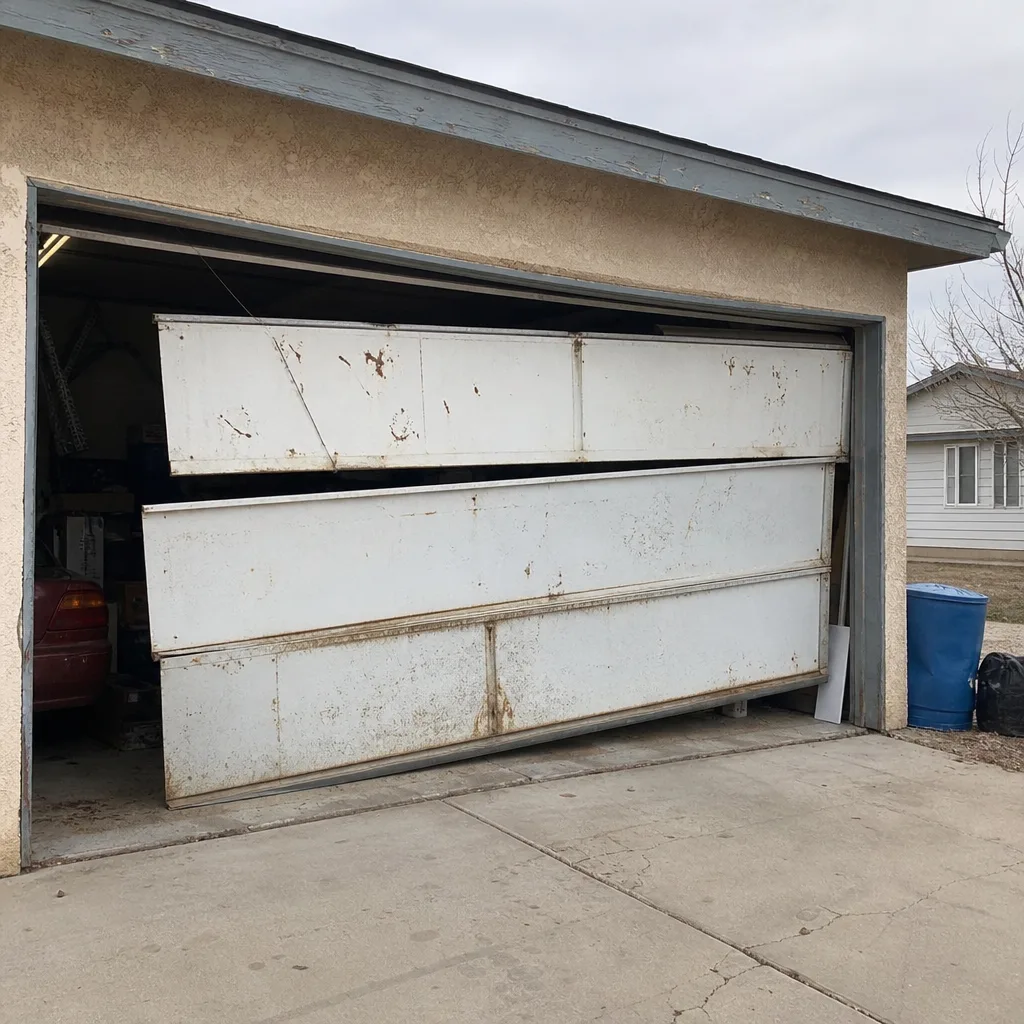 Before
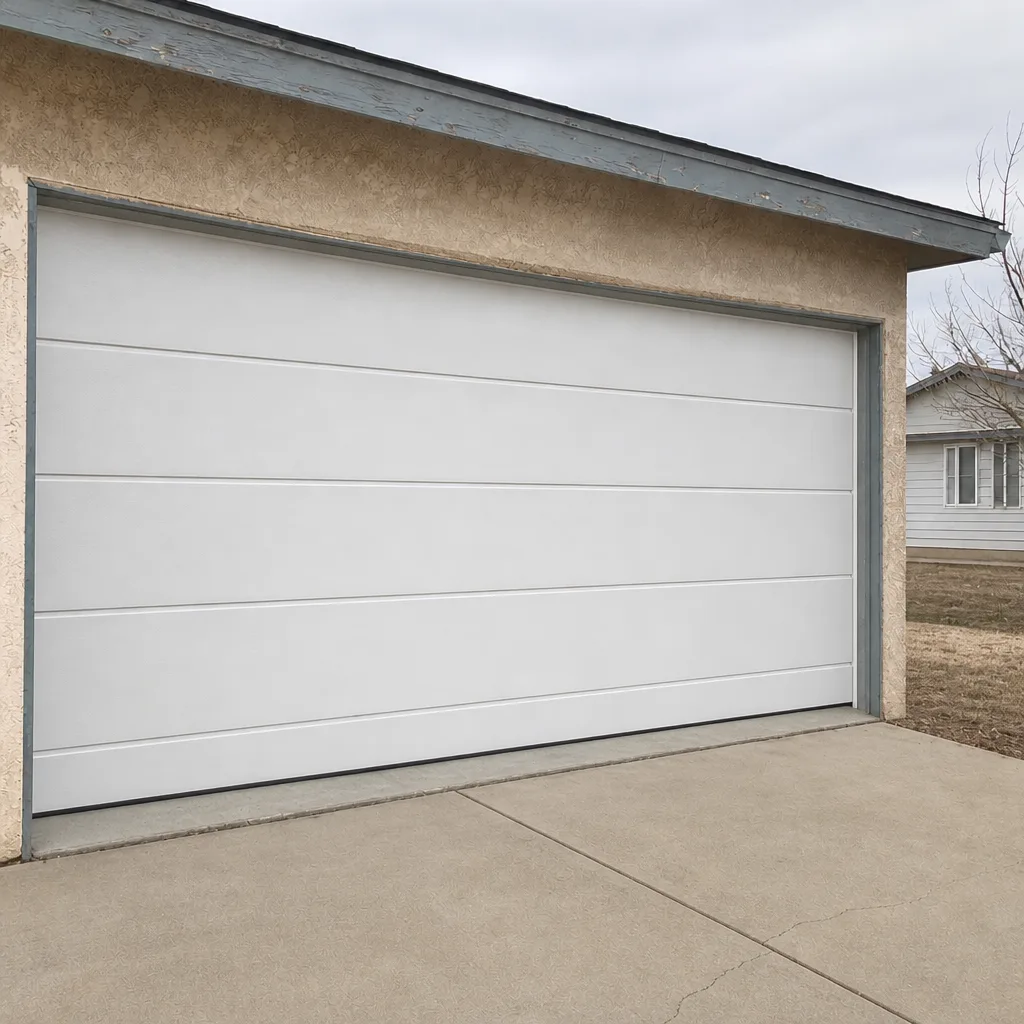 After
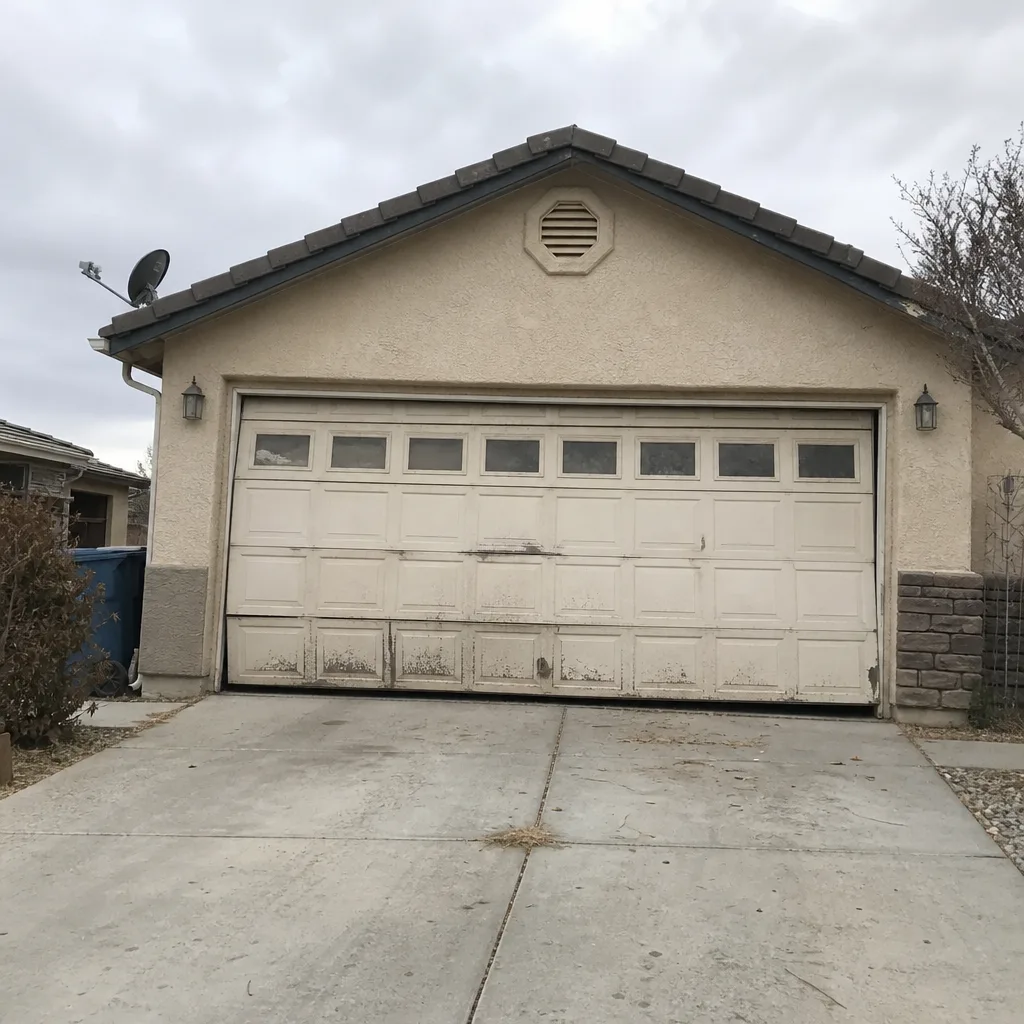 Before
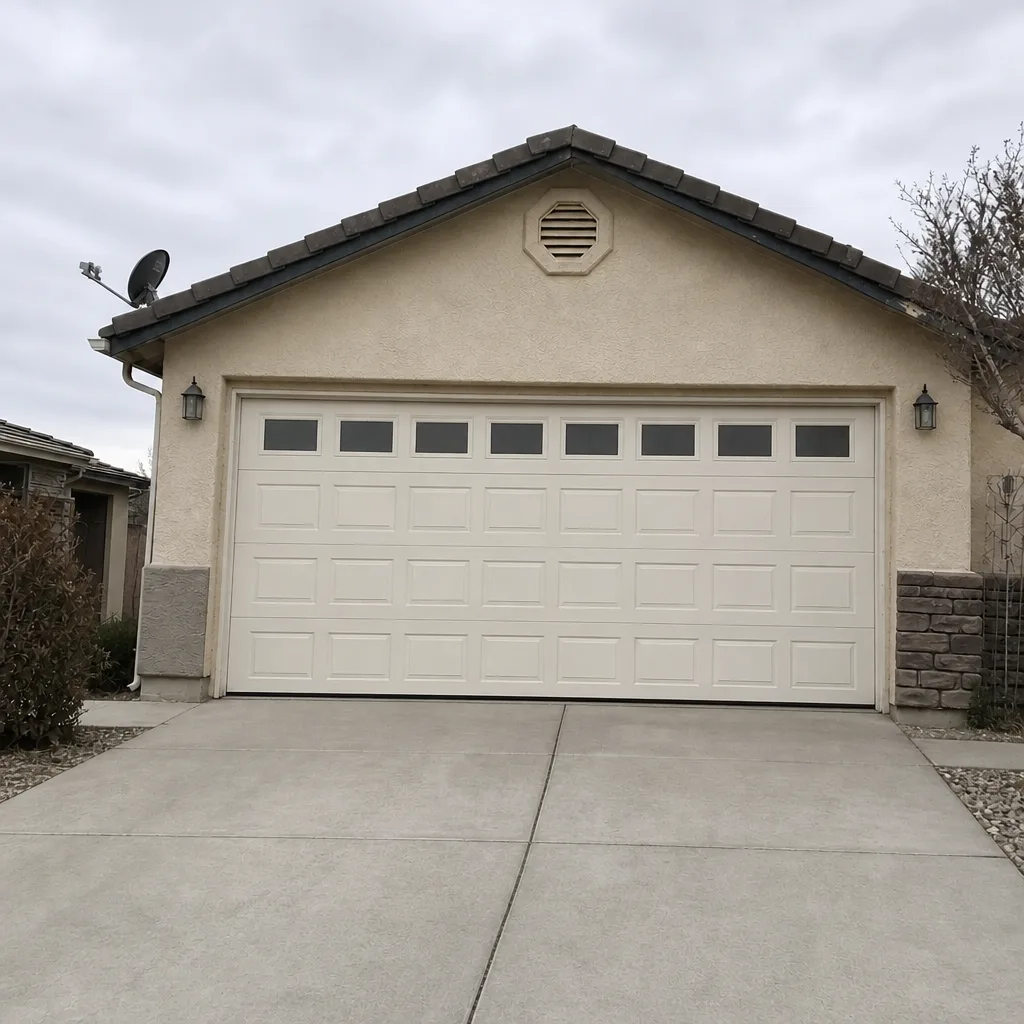 After
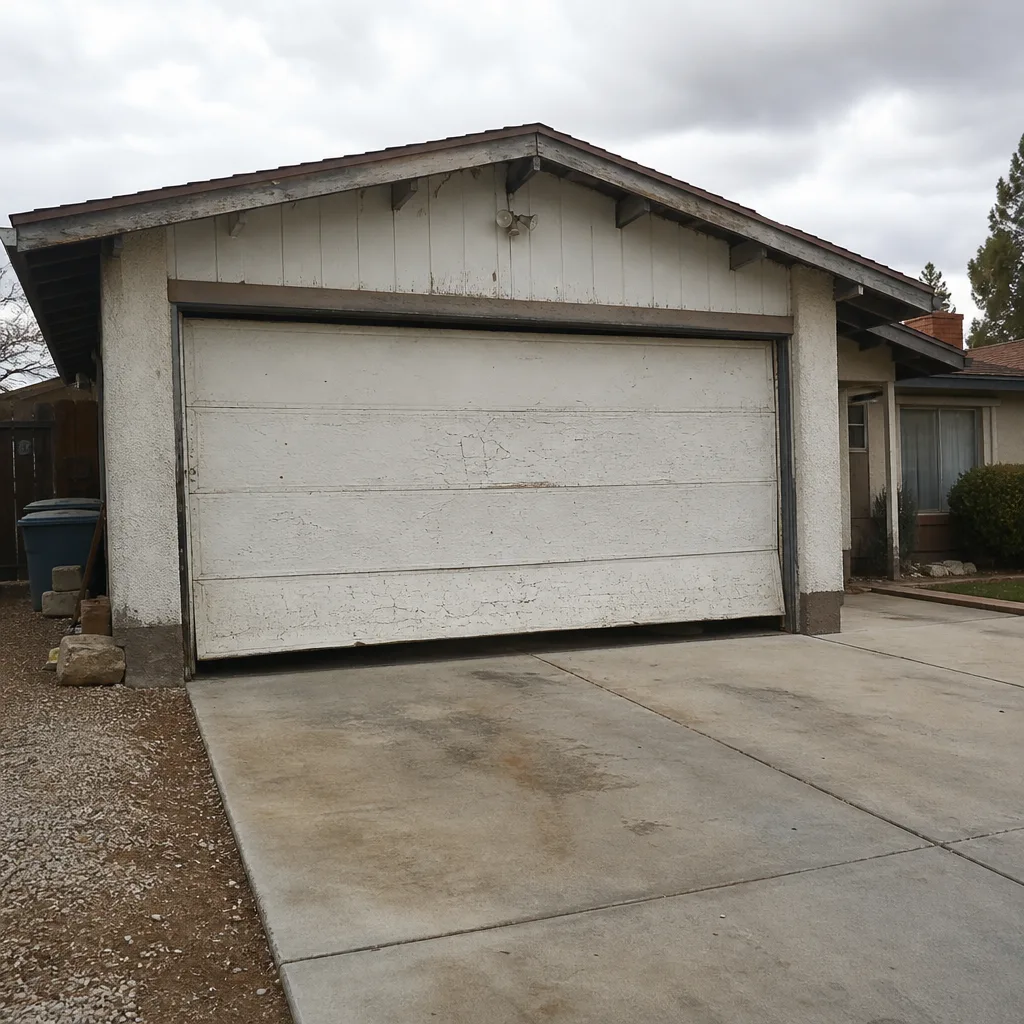 Before
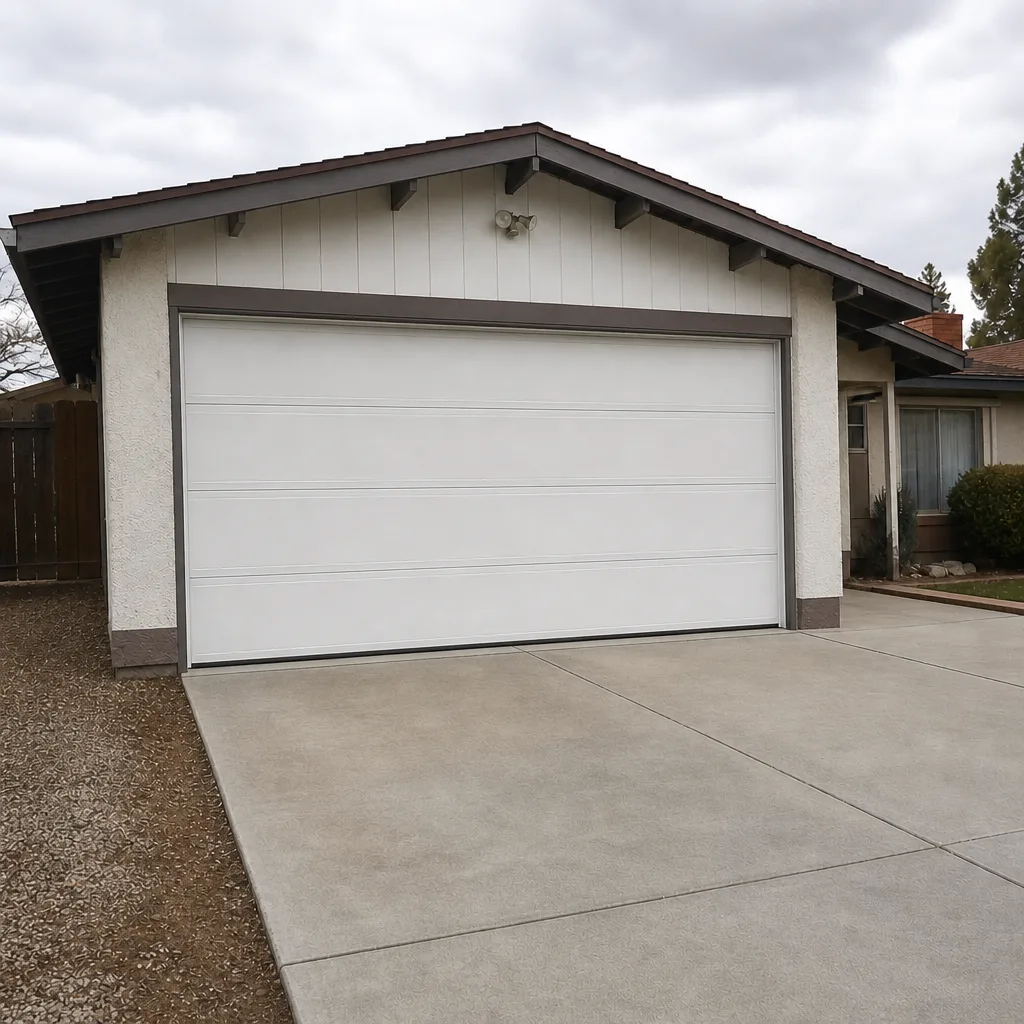 After
When to Call a Professional
Some tasks on this list are safe for a homeowner: wiping sensor lenses, clearing tracks, running the balance test, checking seals. Others are not. Call a professional if the door drops or rises on its own during the balance test, if you hear a loud snap or bang, if the door feels suddenly much heavier, if the opener grinds or strains, or if a track looks bent or the door binds when it moves. Those point to spring, track, or opener problems that need a trained eye and the right tools.
Fernbrook Garage Door Repair Mesquite offers free estimates in Mesquite, and we’ll give you a written price before any work begins. Call (888) 255-7680 to book a visit. Our technicians have up to 24 years of experience, and every job is backed by the 365-Day Done Right Promise: if it’s not done right, we make it right.
Frequently Asked Questions
Twice a year is a good baseline in Mesquite: once in late spring before the heat builds, and once in early fall after monsoon season. Add a balance test monthly and a sensor-lens wipe every couple of weeks during July through September. If you run the door heavily or have an older door, a professional tune-up once a year is worth it.
In Mesquite, a door that reverses for no clear reason is almost always a dusty safety sensor. Monsoon dust coats the photo-eye lenses and the opener thinks something is in the way. Wipe the lenses with a soft, dry cloth. If it keeps happening after a clean, the sensor alignment or the opener may need a look, and we can check it and give you a written price.
Heat doesn’t snap a spring on its own, but it does change the tension, and a spring that was balanced in spring can run under-tensioned by August. That puts extra strain on the opener. A visual check and a monthly balance test catch it early. Never adjust the spring yourself; call a trained technician. Call (888) 255-7680 for an exact quote, and estimates are free.
Lubricate the springs, hinges, rollers, and torsion bar, clean the tracks, check the weather seals, and test the sensors. Then arrange for someone to open and close the door once a month so it doesn’t sit stiff through the hottest stretch. A pre-departure check with a written price is one of the most useful things you can do for a second home here.
Yes, a brief cold snap stiffens old lubricant and tightens the metal, so hinges and rollers that were quiet in October can start to squeal. Reapply garage-door-rated lubricant to the hinges, rollers, and torsion bar. If the squeak comes with a door that feels heavier or binds, that’s a sign to call.
No surprise invoices. We give you a written price before any work starts, and that’s the price. If we find something the first look didn’t show, we explain it and get your okay before doing anything. Every visit includes shoe covers and drop cloths inside the home and a photo of the clean-up before we leave, at no extra charge.
The Bottom Line
Mesquite’s seasons don’t match the national maintenance calendar, and that’s the whole point. Your highest-risk window is July through September, not January. The tasks that matter most are monsoon prep, a monthly balance test, and a heat-aware look at the springs. Winter gets a short check, not a full prep season. Run the balance test, keep the sensor lenses clean, and never adjust a torsion spring yourself. If something feels off, we’re a call away, and every job comes with a written price before any work begins. Call (888) 255-7680 for a free estimate in Mesquite.
Written by the team at Fernbrook Garage Door Repair Mesquite.