
Last updated November 17, 2026
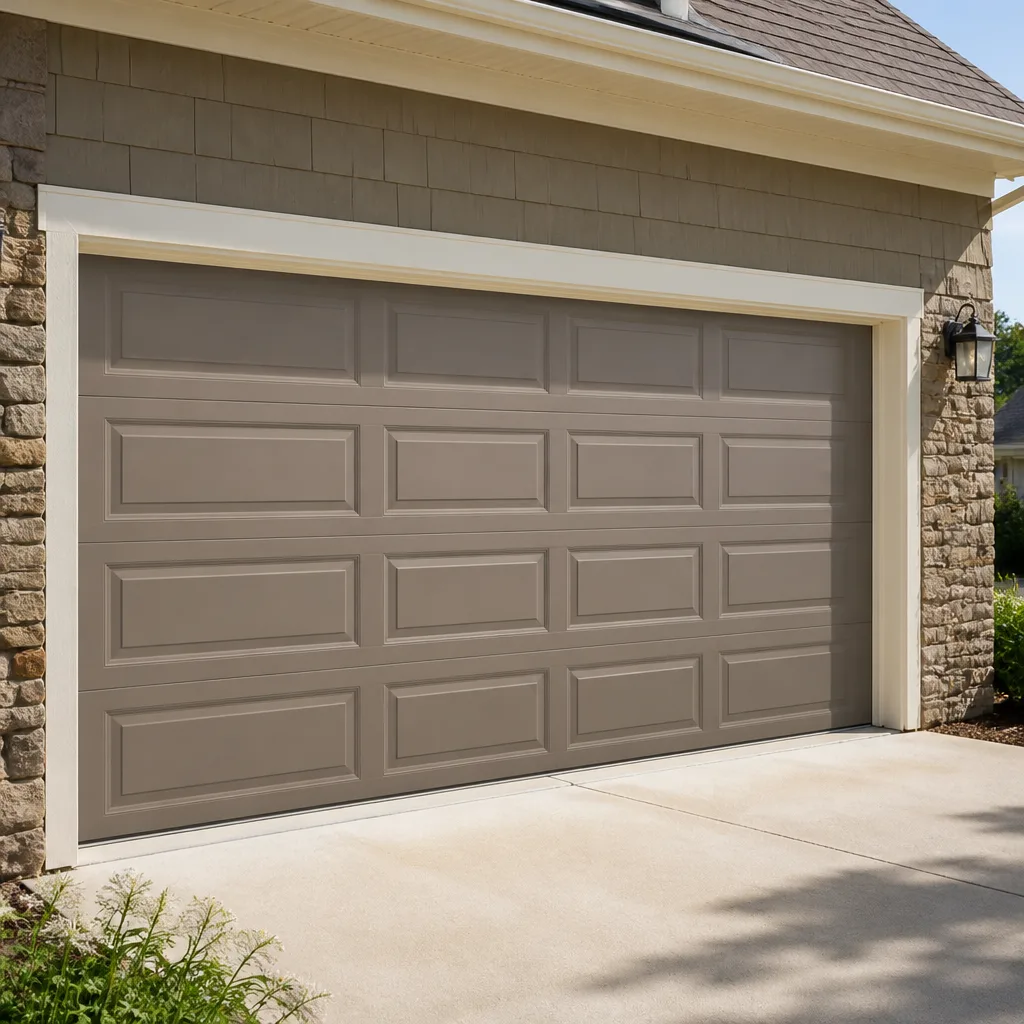 Raised-panel steel
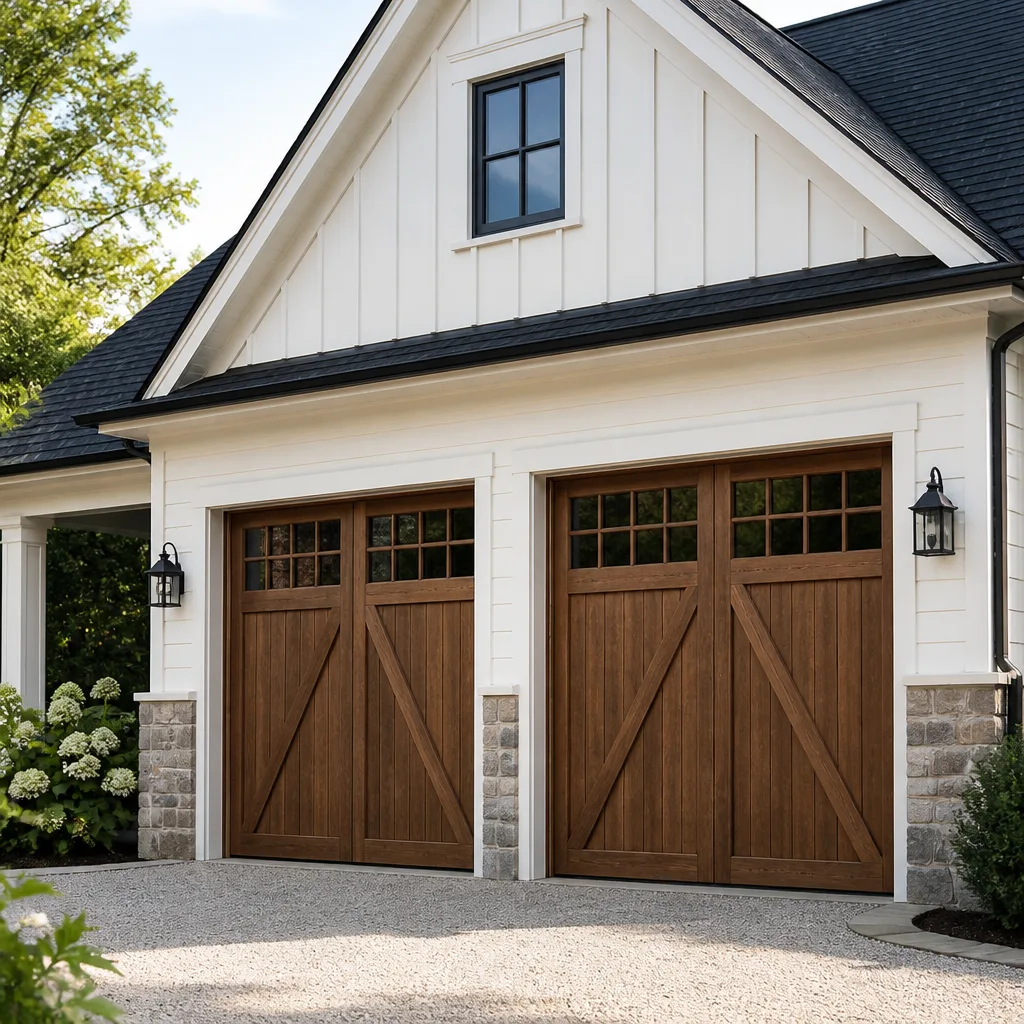 Carriage house
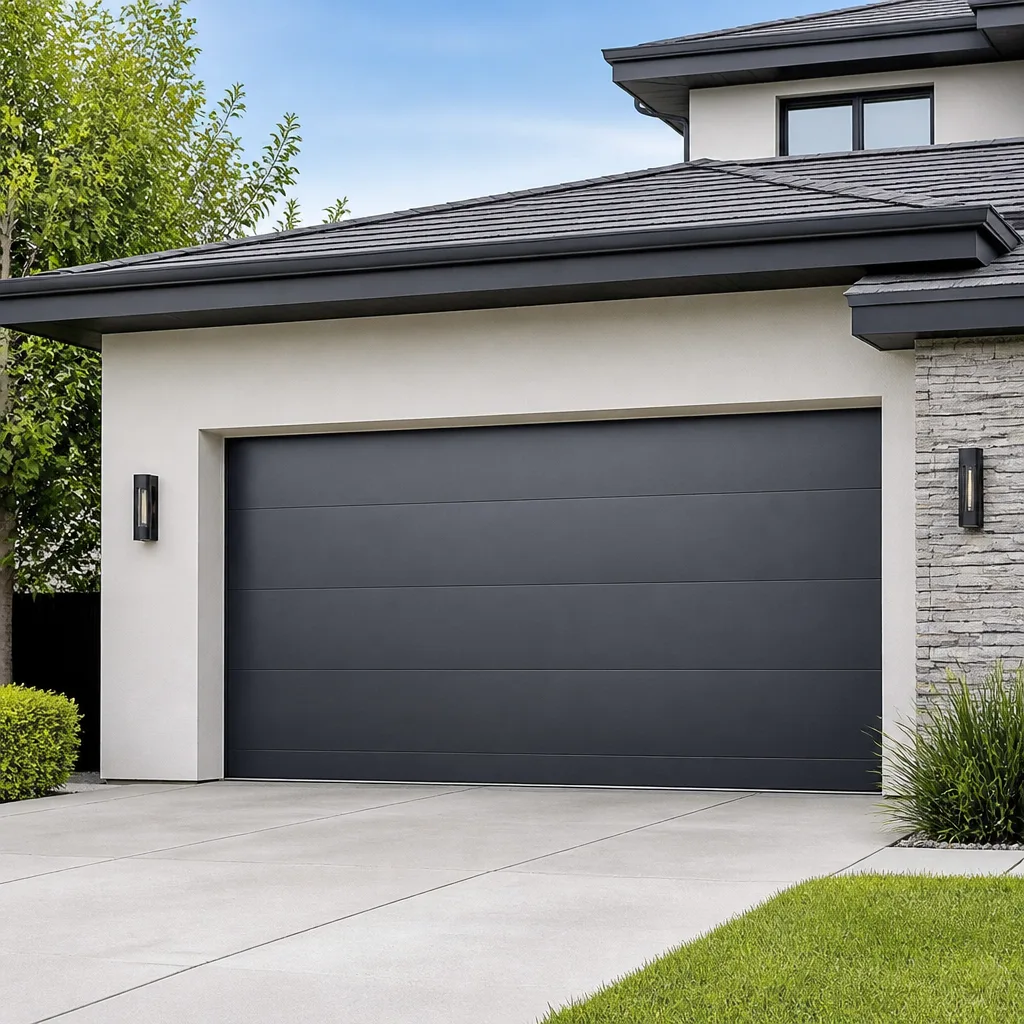 Modern flush
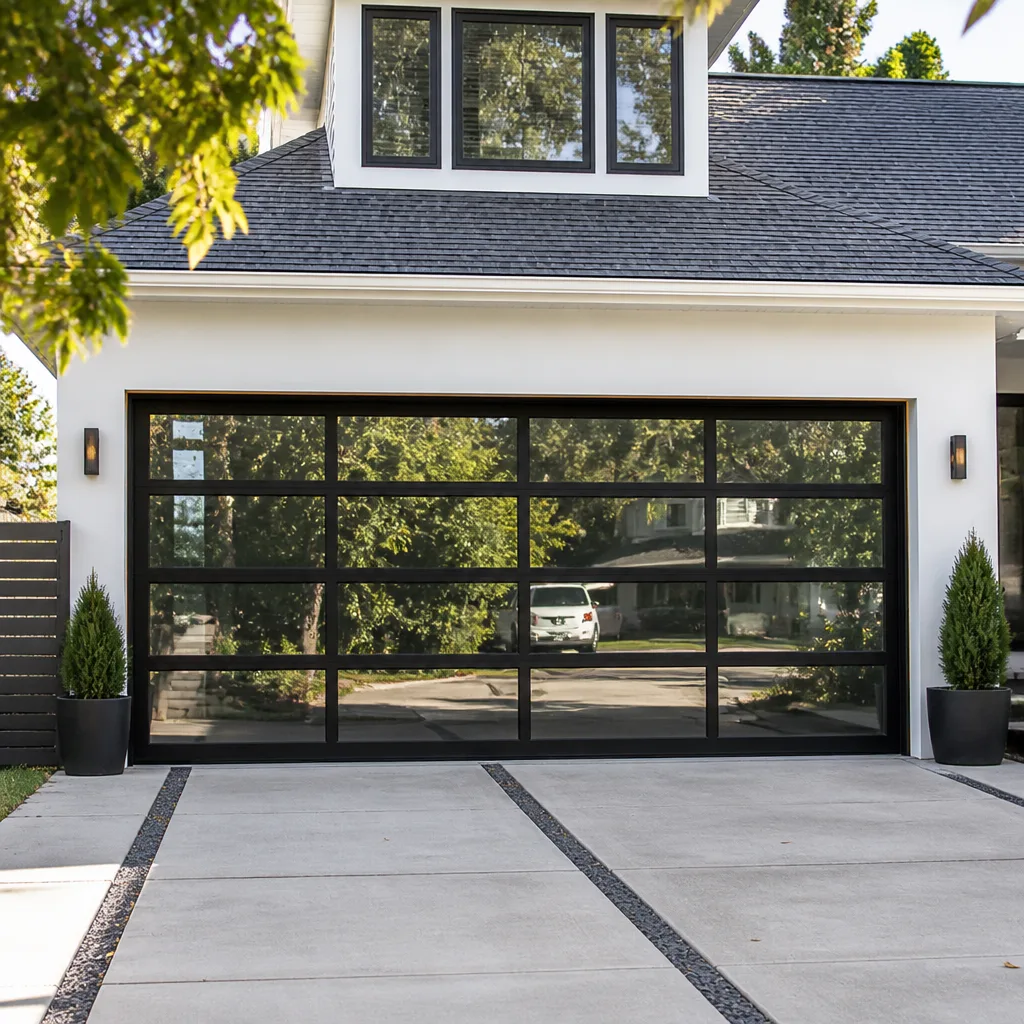 Full-view glass
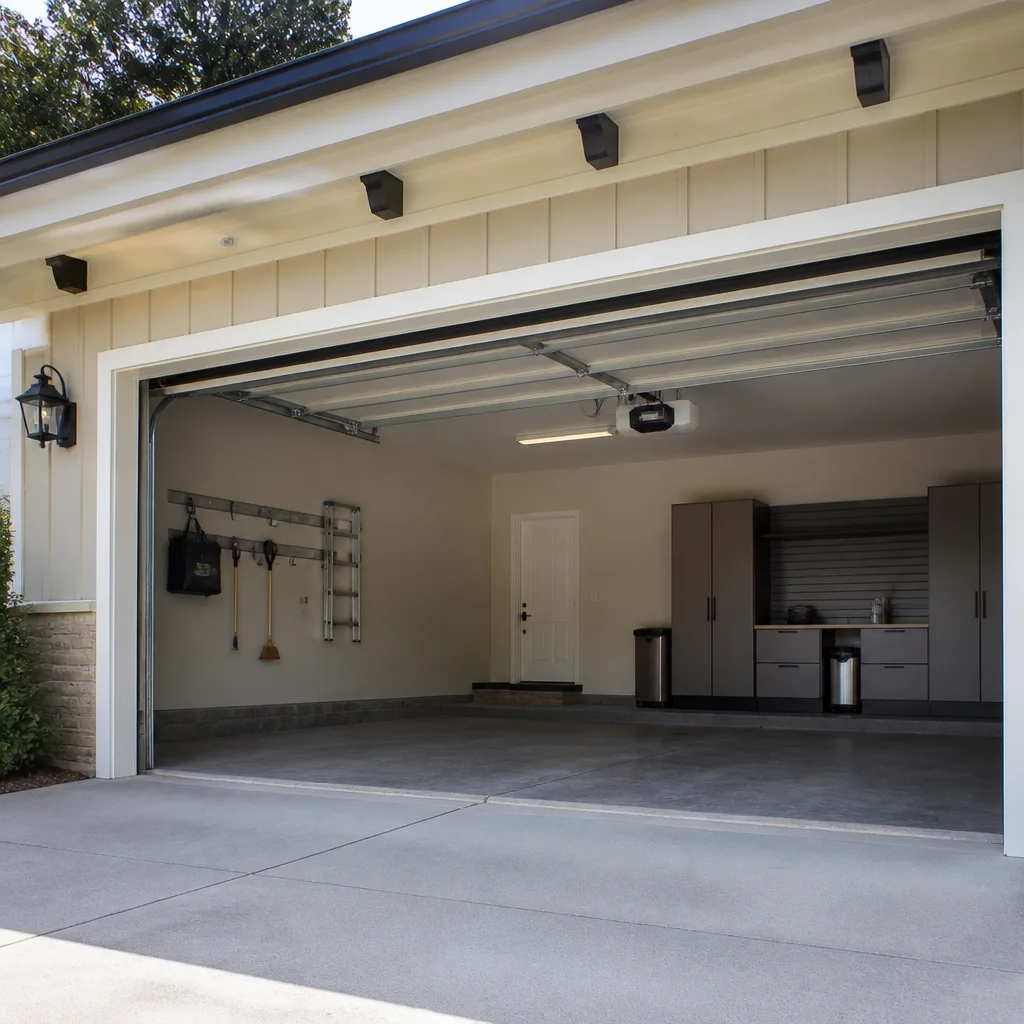 LiftMaster openers
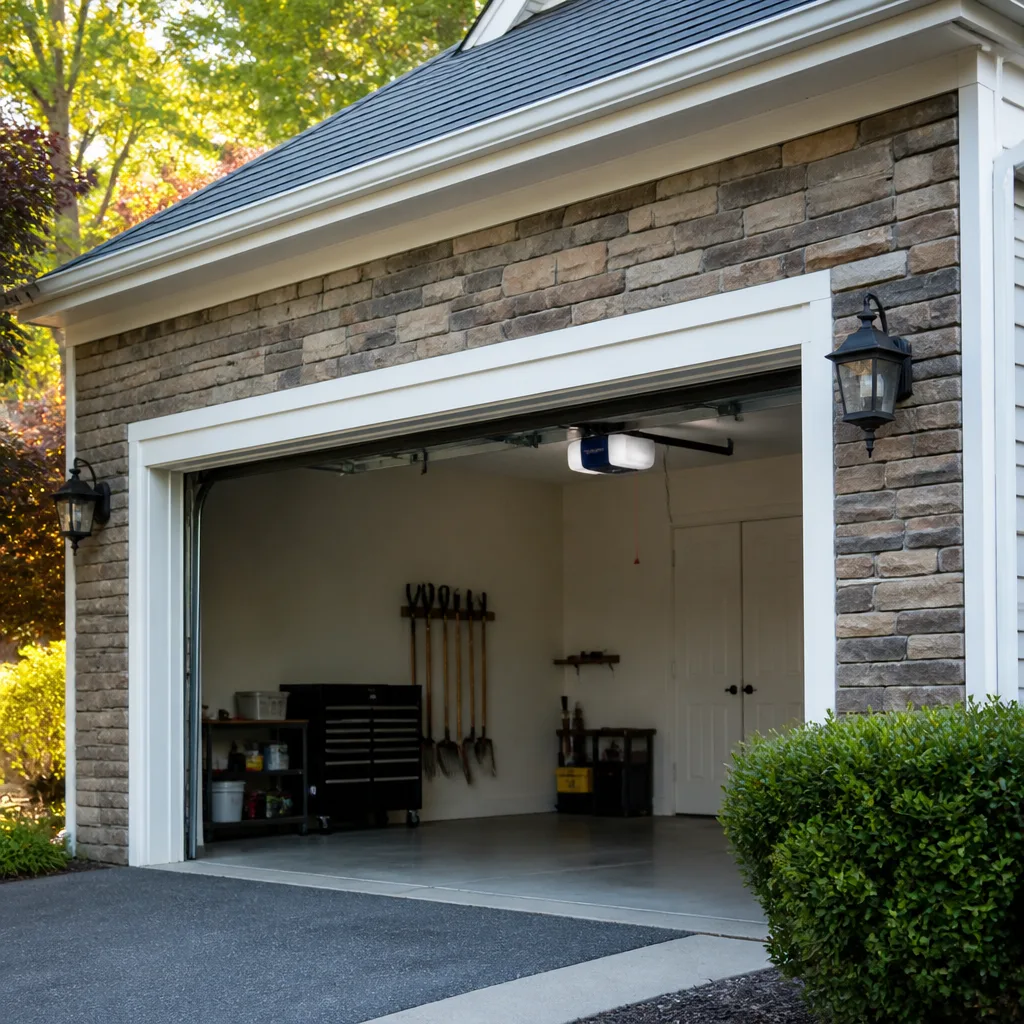 Chamberlain openers
Full 25-point door and opener safety check with every visit - springs, cables, rollers, tracks, and your LiftMaster or Chamberlain opener included
You get a price before we start. It does not change when the pro arrives.
Get your free estimateThe Complete Garage Door Opener Repair Guide for Mesquite Homeowners
When an opener stops working in July in Mesquite, the first cause to rule out isn’t a dead battery or a misaligned sensor. It’s thermal shutdown, a self-protective pause that logic boards trigger at sustained internal temperatures above roughly 140 degrees, which an uninsulated garage can reach by noon in the Mesquite sun. Most opener guides are written for cooler climates and skip right past this. This one starts there. You’ll learn how each part of your opener works, what its failure symptoms look like, how to tell a heat pause from a real component failure, and how to decide whether to repair or replace.
Quick Answer
Most garage door opener failures in Mesquite trace back to one of four causes: thermal shutdown from heat buildup in an uninsulated garage, dust and grit wearing down chain or belt drives, a failing logic board, or misaligned safety sensors. A full repair typically runs $150 to $400 depending on the part, and thermal shutdowns usually resolve on their own once the unit cools – but only if the motor and board are still healthy. A technician can tell the difference in minutes and confirm it with a written price before any work starts.
Styles & brands we work with
- Raised-panel steel
- Carriage house
- Modern flush
- Full-view glass
- LiftMaster openers
- Chamberlain openers
Table of Contents
- What Is Thermal Shutdown and How Do You Know It’s Happening?
- How Your Opener System Actually Works – Part by Part
- Why Dust and Grit Hit Mesquite Openers Harder Than Anywhere Else
- Matching the Symptom to the Part That Failed
- Repair or Replace? A Realistic Cost Framework
- What a Complete Opener Repair Looks Like, Start to Finish
- Maintenance That Prevents Most Calls in the First Place
- Common Mistakes to Avoid
What Is Thermal Shutdown and How Do You Know It’s Happening?
Thermal shutdown is a built-in safety feature, not a defect. Most modern openers (LiftMaster and Chamberlain models especially) use a logic board with a thermal sensor that cuts power to the motor when internal temperatures exceed a threshold – usually around 140 degrees Fahrenheit inside the housing. In a home without an insulated garage door and with west-facing exposure, that’s a typical afternoon in Mesquite from June through September.
How to identify a thermal shutdown:
- The opener worked fine that morning but won’t respond midday.
- The wall button and remotes both do nothing – no click, no light flicker.
- After the garage cools for 45 to 90 minutes (evening, or after opening a side door), the unit works again.
- The motor housing feels hot to the touch, not just warm.
How to distinguish it from a real failure: a thermal shutdown will always resolve on its own once cooled. If the opener stays dead after a full cool-down, the board has likely failed for good – and that’s a different repair. In our experience across Mesquite neighborhoods, thermal shutdown is the single most common July and August call we get, and about half of those turn out to be just heat, not a broken part. The fix is usually insulation, ventilation, or both.
How Your Opener System Actually Works – Part by Part
An opener has six main components. Understanding what each one does makes it much easier to understand why a symptom points where it does.
The motor unit
The motor is the actual drive – the part that turns. If the motor runs but the door doesn’t move, the problem is downstream (drive mechanism, spring, or door). If the motor is silent, the issue is upstream (power, logic board, or thermal shutdown).
The drive mechanism
Either a chain (most common), a belt (quieter, popular in homes with a bedroom over the garage), or a screw drive. The drive transfers motor rotation to the door carriage. Over time, chain drives stretch and belt drives crack, especially in desert heat cycles. A door that moves slowly, jerks, or thumps is telling you the drive needs attention.
The logic board
The brain of the opener. It processes commands from your wall button and remotes, runs safety checks, controls force limits, and manages thermal shutoff. When a board fails, you lose one or more functions – sometimes remotes stop working while the wall button still does, or the door runs only partway. Boards are the most expensive single repair on most openers, often $150 to $250 for the part.
The safety sensors
The two small units near the bottom of the rails facing each other. If the beam is broken, the door won’t close. Misalignment is the number one false alarm: dust buildup, a bumped rail, or a wandering pet can kick them out of line. Sun glare can also blind a sensor, and a west-facing Mesquite garage door gets direct sun most afternoons.
The wall button
A simple switch – until it fails. A stuck wall button will lock the circuit open and prevent any remote from working. If your button feels spongy or has to be pressed hard, swap it before assuming anything else.
The remotes
Battery, pairing, and interference. If one remote works and another doesn’t, it’s almost never the opener. If none work but the wall button does, the radio receiver on the board is the suspect.
Why Dust and Grit Hit Mesquite Openers Harder Than Anywhere Else
Mesquite sits in the Virgin River valley, and the combination of fine desert dust, spring winds off the Mojave, and low humidity creates conditions that are genuinely hard on moving parts. Every time a chain cycles, it picks up a thin layer of grit that acts like sandpaper on the sprockets and rails. Belt drives, which are quieter, are also more sensitive to dust packing into the grooves and losing grip.
What we see in Mesquite garages that most guides don’t mention:
- Chain stretch from grit-worn sprockets showing up at 6 to 8 years instead of the usual 10 to 12.
- Rollers that squeal at the first cold morning after a dusty summer – the grit has already packed the bearing.
- Belt drives fraying where dust has worked into the tensioner.
- Logic boards with fine dust coating the contacts, especially in garages with a workshop or gym setup that kicks up air.
The fix is simple and cheap: a dry-lubricant spray (not oil or grease, which attract dust) on the chain and rails every 6 to 12 months, and a quick compressed-air blow-off of the motor housing once a year. If you keep a pet or have a gravel driveway, double that frequency. Pet-safe silicone is fine where there’s a choice – ask before the technician sprays anything near a dog bed or food bowl.
Matching the Symptom to the Part That Failed
The fastest way to understand what’s wrong is to read the symptom. Here’s what our technicians listen for first:
- Nothing happens at all. Power at the outlet? Wall button stuck? Thermal shutdown? If it’s been cool for 90 minutes and still dead, suspect the logic board.
- Motor hums, door doesn’t move. Drive mechanism, stripped gear, or a broken spring. Do not force it – see our Garage Door Spring Repair in Mesquite guide for why that matters.
- Door closes partway then reverses. Safety sensor issue (dust, misalignment, sun glare) or force limit set too sensitive. The sensors should be checked with a straight edge and a light-blocking hand before anything else.
- Door runs unevenly or jerks. Worn rollers, a bent rail, or a stretched chain. This is progressive – fix it early or you’ll replace more than a chain.
- Remotes work one day, not the next. Battery, interference from a new LED bulb in the opener (common after replacing a bulb with an LED that emits on the same frequency), or a board radio receiver failure.
- Opener works but only in cool hours. Classic thermal behavior. Check for a missing vent, an insulated door upgrade, or a failing temperature sensor on the board.
Repair or Replace? A Realistic Cost Framework
This is the question families ask us most. The rule of thumb worth remembering: if the repair costs more than half the price of a comparable new opener, and the unit is more than 10 years old, replacement usually wins. Here’s how the numbers usually land in the Mesquite market:
- Safety sensor alignment or replacement: $80 – $160. Always repair.
- Wall button replacement: $50 – $100. Always repair.
- Remote battery or re-pair: $25 – $60. Always repair.
- Chain or belt replacement: $150 – $280. Repair unless the unit is older than 12 years.
- Gear and sprocket kit: $180 – $320. Repair if the motor is healthy, replace if it groans.
- Logic board: $200 – $400 installed. Repair if the unit is 8 years or newer; strongly consider replacing at 10+.
- Motor failure: $380 – $600 to replace the motor. At that price, a new opener is usually the better buy – and it will run quieter and safer.
A complete new opener installation for a Mesquite home typically runs $550 to $950 depending on the drive type and whether Wi-Fi and battery backup are included. When the repair quote lands within $200 of a new opener, most families choose new – you get a fresh warranty and modern safety features. If you’re weighing a full install, see our Garage Door Installation in Mesquite page for how the timing works. Installation is scheduled, not same-day, so plan for a measured quote and a set date.
What a Complete Opener Repair Looks Like, Start to Finish
A thorough opener repair follows a predictable sequence. If your technician skips any step, ask why. Here’s what a real repair includes:
- Pre-work walkthrough. The technician confirms the diagnosis, presents a written price, and asks before moving anything – a dog crate, a bike rack, the recycling bin. Nothing is touched without permission, and the price doesn’t change after the fact.
- Power isolation and protection. The circuit is shut off before any component is opened. Shoe covers go on at the door and drop cloths under the work area. Quiet tools during nap time or a work call are standard.
- Component replacement. Only the failed part is replaced unless the technician has explained why a companion part should be swapped too. You’ll know what’s being done before it’s done.
- Force adjustment. After any drive or board work, the force limit is recalibrated. Too tight, and the door won’t reverse for a child or pet; too loose, and it slams. This step is non-negotiable and often skipped by inexperienced crews.
- Safety sensor alignment. Both sensors are aimed square, tested with a light block, and confirmed to reverse the door on contact. This is the last safety check and one of the most important.
- Full cycle test. Open and close the door three times, watch the travel, listen for noise, and confirm the wall button and remotes all work.
- Clean-up and photo. Tools are wiped, any dust blown off, and a photo of the clean floor is taken before the technician leaves. That photo goes to you.
Every repair from Fernbrook Garage Door Repair Mesquite home follows this sequence, backed by the 365-Day Done Right Promise – if any part of the job isn’t right, we make it right, no negotiation needed.
Maintenance That Prevents Most Calls in the First Place
Roughly two-thirds of the opener calls we get in Mesquite would have been prevented by 30 minutes of maintenance a year. The list is short:
- Dry-lubricant spray on the chain and rails every 6 to 12 months. Never oil or grease – they collect dust and make the problem worse.
- Vacuum or blow out the motor housing once a year. Dust on the logic board is the leading preventable cause of board failure.
- Test the safety sensors monthly with a light block. Both sensors should have a glowing indicator light.
- Clean the photo-eye lenses with a dry cloth – dust film alone can trip false alarms.
- Inspect the door balance twice a year by disconnecting the opener and lifting the door manually. It should lift with one hand and stay put. If it doesn’t, springs need attention before the opener pays for it.
- Insulate the garage door or add ventilation if your opener shuts down every summer. It’s the cheapest cure for thermal shutdown.
For deeper diagnostics, our Garage Door Repair in Mesquite page covers how we handle the full system, not just the opener.
Common Mistakes to Avoid
- Replacing the opener when the door is the problem. A heavy or binding door will burn out a healthy opener in months. Check door balance before spending money on electronics.
- Greasing the chain. It feels right and it’s wrong in the desert. Grease becomes a dust magnet and accelerates wear – use dry silicone only.
- Forcing a door with a suspected broken spring. If the opener hums and the door doesn’t rise, the spring is the first thing to rule out. Springs are under extreme tension and should only be handled by a trained professional – this is not a DIY repair.
- Adjusting force limits to “make it work.” Cranking up the force limit to push past a binding door masks the real issue and defeats the safety reverse. Fix the door, not the limit.
- Ignoring summer shutdowns. If it happens once, it’s heat. If it happens every afternoon, it’s a failing board or a dying temperature sensor, and both get worse.
- Hiring on price alone. A $99 opener “tune-up” that doesn’t include sensor alignment, force adjustment, and clean-up isn’t a real service. Ask what’s included before you book.
- Using an oil-based product near pets. Pet-safe dry lubricants exist – ask before spraying anything inside a garage where a dog sleeps or eats.
See the difference
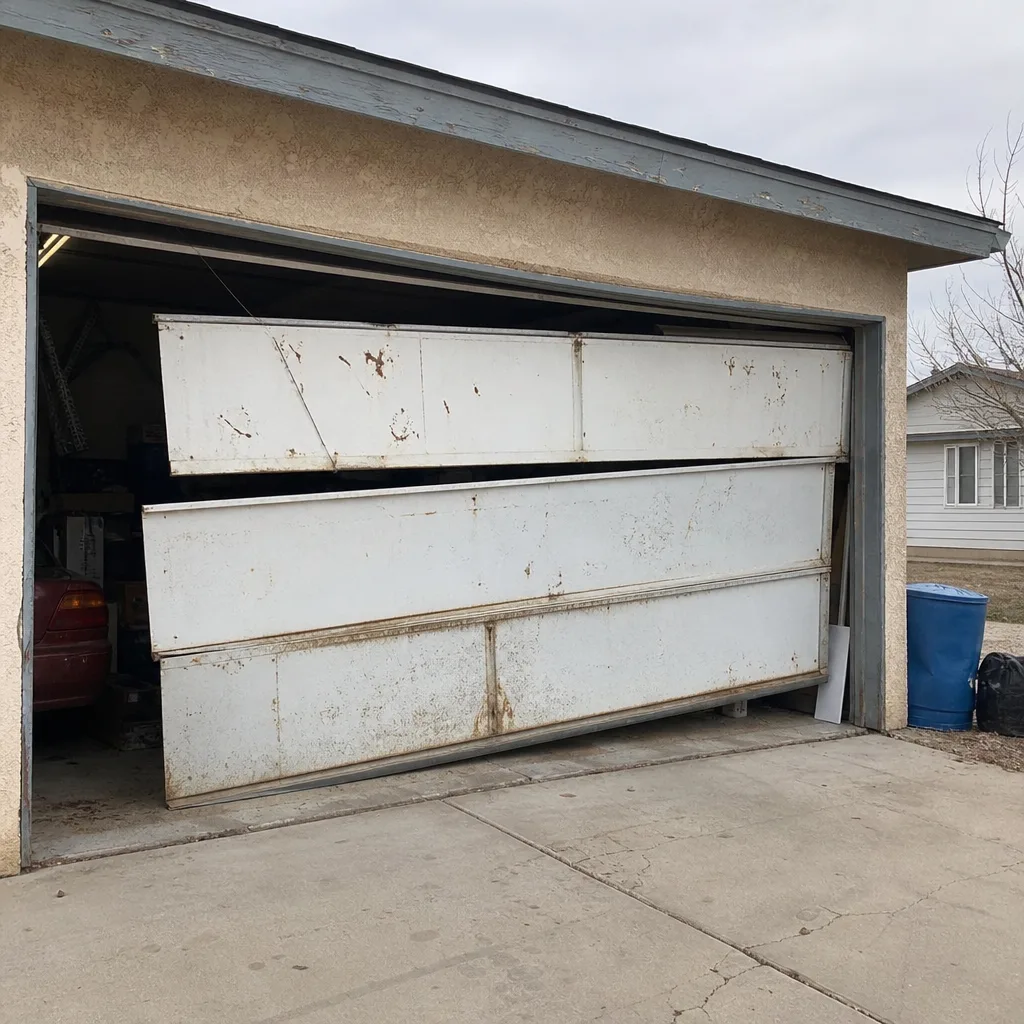 Before
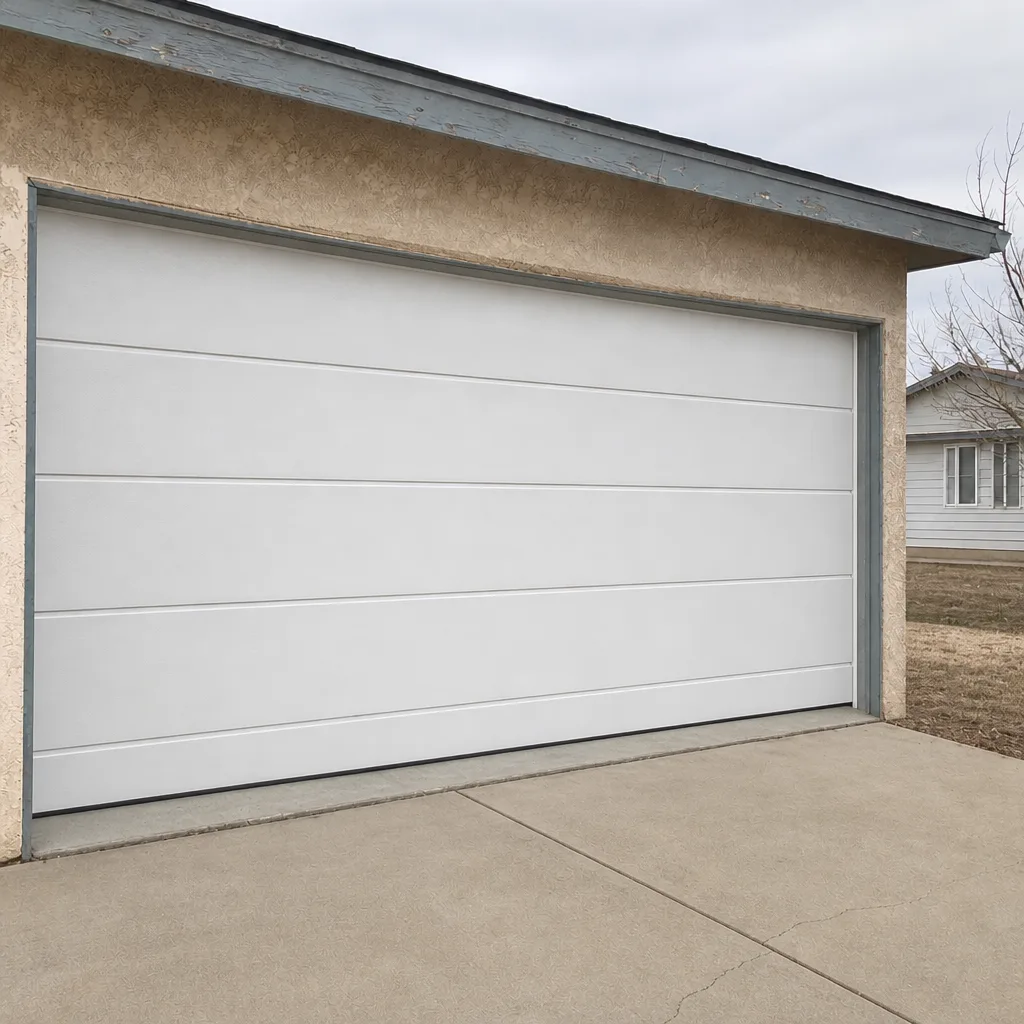 After
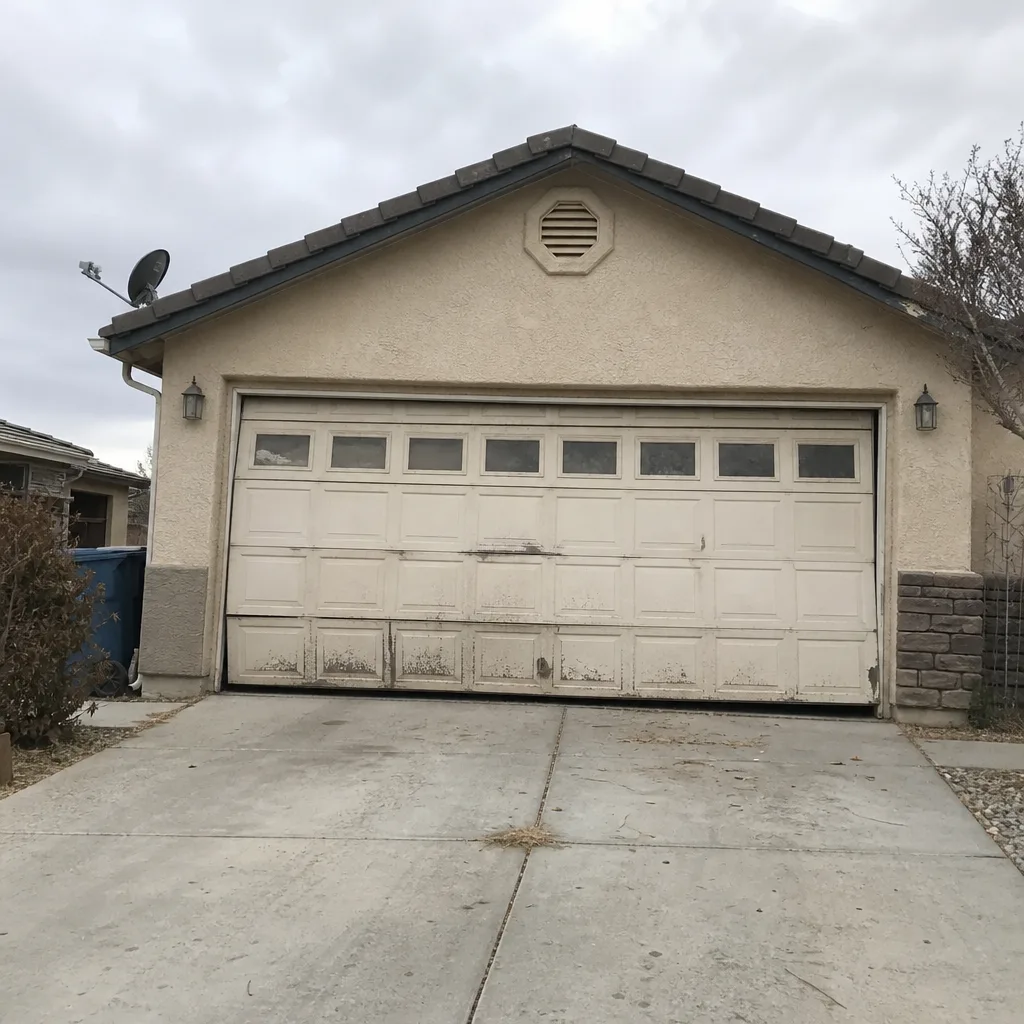 Before
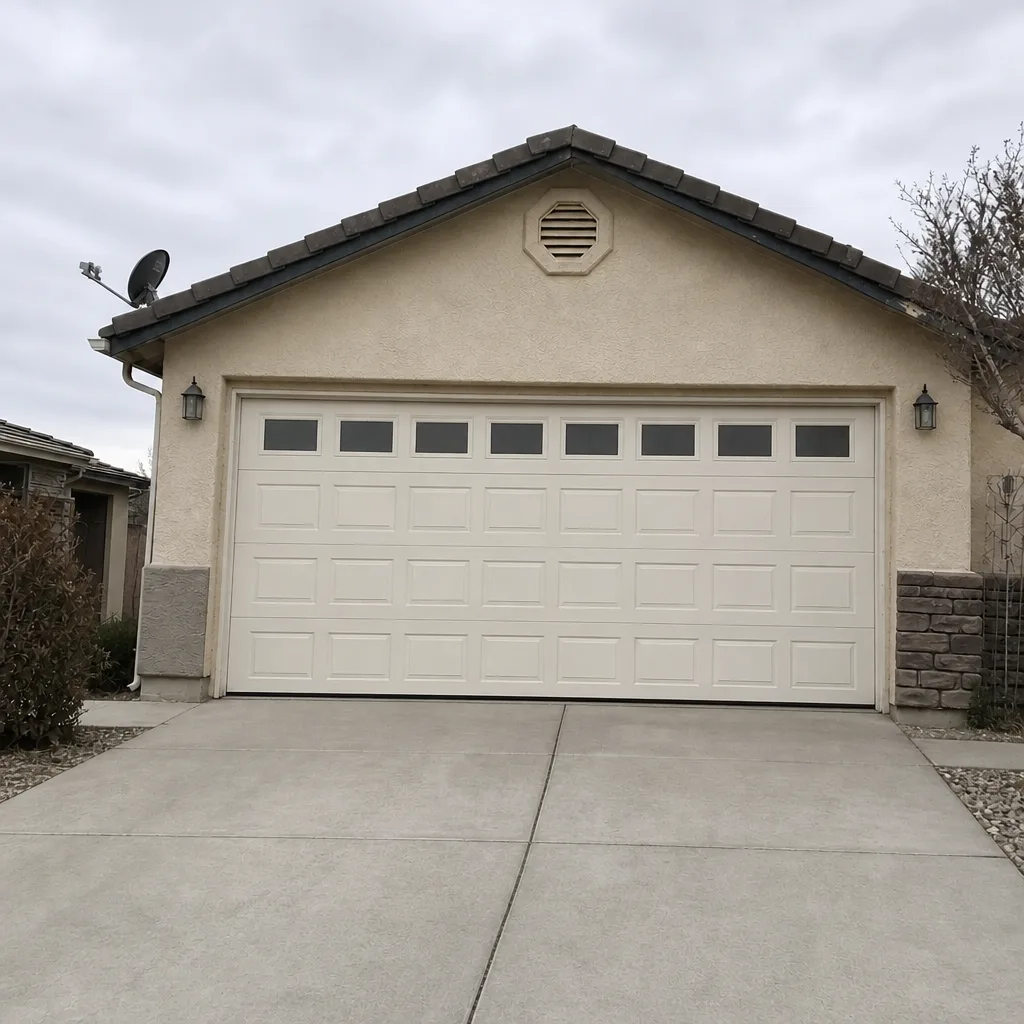 After
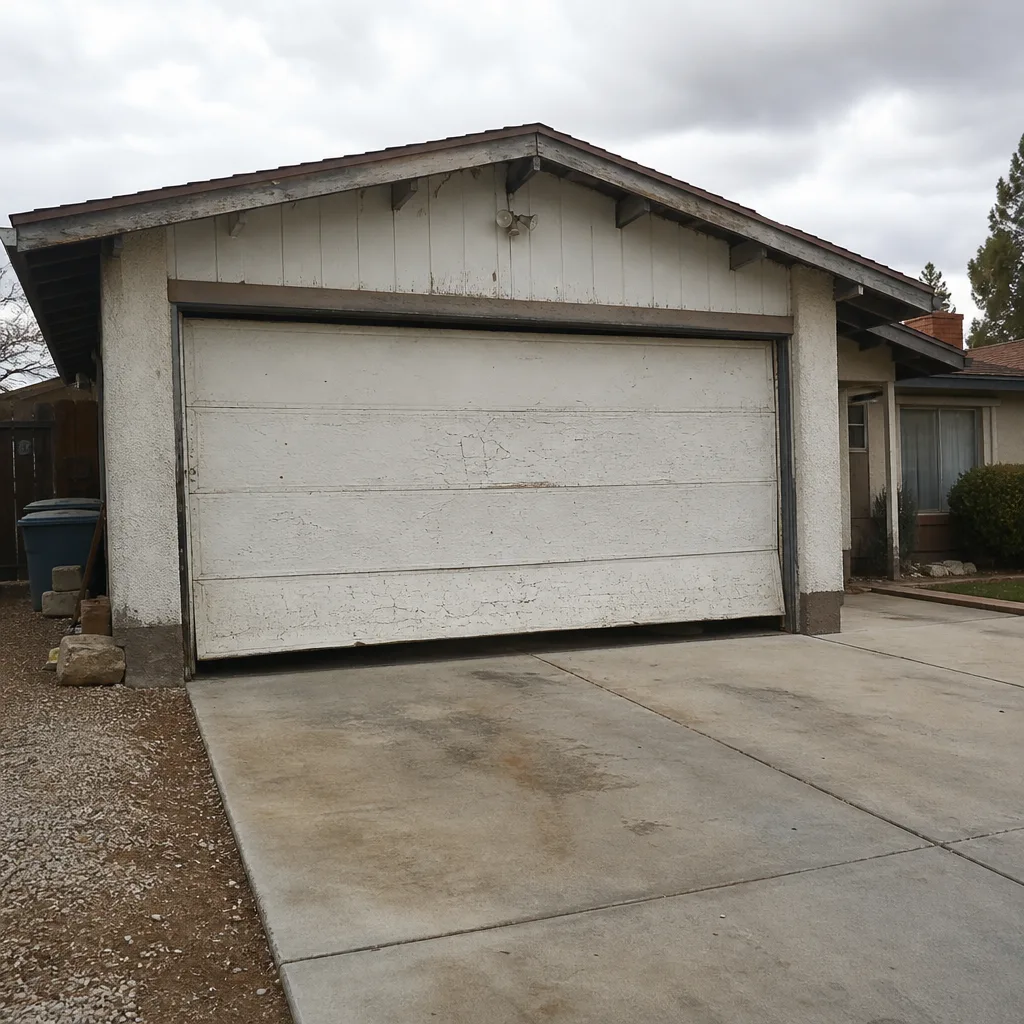 Before
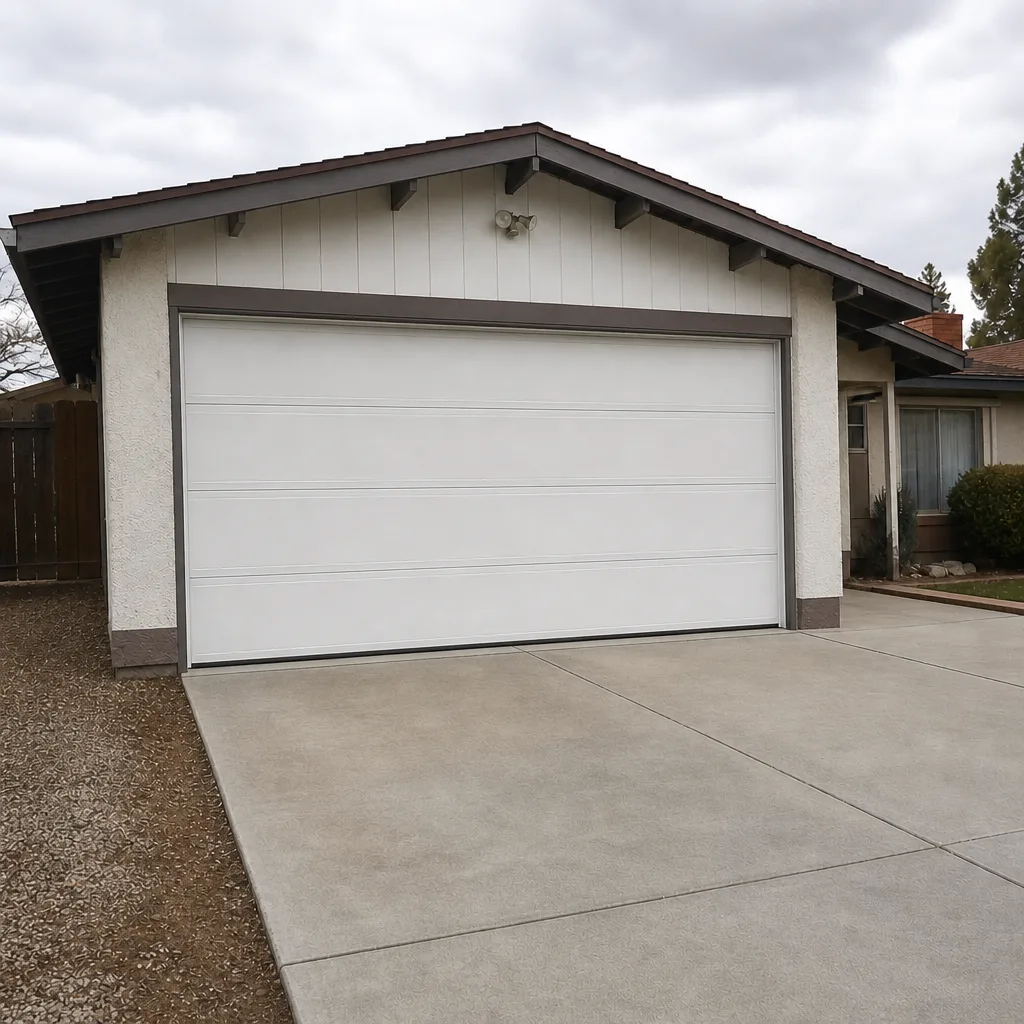 After
When to Call a Professional
Call a technician if the opener hums but the door doesn’t move, if the door reverses without an obvious obstruction, if a repair quote is being pushed without a written price in hand, or if the opener shuts down repeatedly and cool-down doesn’t fix it. Any of those four means a part has failed or is failing, and continuing to run the unit will make the repair bigger. High-tension springs and opener electrical work are both genuinely dangerous – we don’t recommend either as a weekend project. Fernbrook Garage Door Repair Mesquite offers free estimates in Mesquite – call (888) 255-7680 and a live person will answer, day or night, no voicemail.
Frequently Asked Questions
It’s almost always thermal shutdown. Logic boards cut power when internal temperatures climb above roughly 140 degrees, and an uninsulated Mesquite garage can hit that by midday. The opener will restart on its own once it cools. If it stays dead after 90 minutes of cool-down, the board has failed and needs replacement.
Most repairs run $150 to $400, with sensor work at the low end ($80 – $160) and logic board replacement at the high end ($200 – $400). The exact price depends on the part and the opener model. We present a written price before any work starts, every visit. Call (888) 255-7680 for an exact quote – estimates are free.
For repair calls, usually yes. Same-day service is common for opener and spring repairs in Mesquite, and calls are answered by a live person 24 hours a day. Installation and full replacement work is scheduled after a measurement so the right unit is ordered. Call (888) 255-7680 and we’ll tell you what’s available.
No. The written price we present before work begins is the price you pay for the work agreed. If we find something additional mid-repair, we stop, explain it, and quote it separately before touching it. No surprise invoices. Call (888) 255-7680 to schedule an estimate.
Yes. Our technicians are background-checked, uniformed, and follow the C.A.R.E. values on every visit: Clean up like it is our own home; Ask before we move or touch anything; Respect the family’s time and quiet hours; Explain the price before the work. Shoe covers, drop cloths, and a clean-up photo are included at no extra charge. Call (888) 255-7680 to book.
At 12 years, replace it. A board repair on a unit that old (roughly $200 – $400) is more than half the cost of a new opener with modern safety features and a fresh warranty. You’ll spend a little more now and a lot less over the next decade. Call (888) 255-7680 for a written quote on both options.
The Bottom Line
Opener problems in Mesquite look different from what generic guides describe. Thermal shutdown, dust-worn drive mechanisms, and heat-stressed logic boards account for most of the repairs we see, and each one has a clear symptom once you know what to look for. Rule out heat first in summer, check door balance before spending money on electronics, use dry lubricant instead of grease, and don’t touch a spring or an electrical panel yourself. A written price, shoe covers, drop cloths, quiet tools when the kids are asleep, and a clean-up photo before the technician leaves – those are the standards. If something doesn’t match what you’re seeing, call (888) 255-7680 for a free estimate. A live person will always answer.
Written by the team at Fernbrook Garage Door Repair Mesquite.