
Last updated November 17, 2026
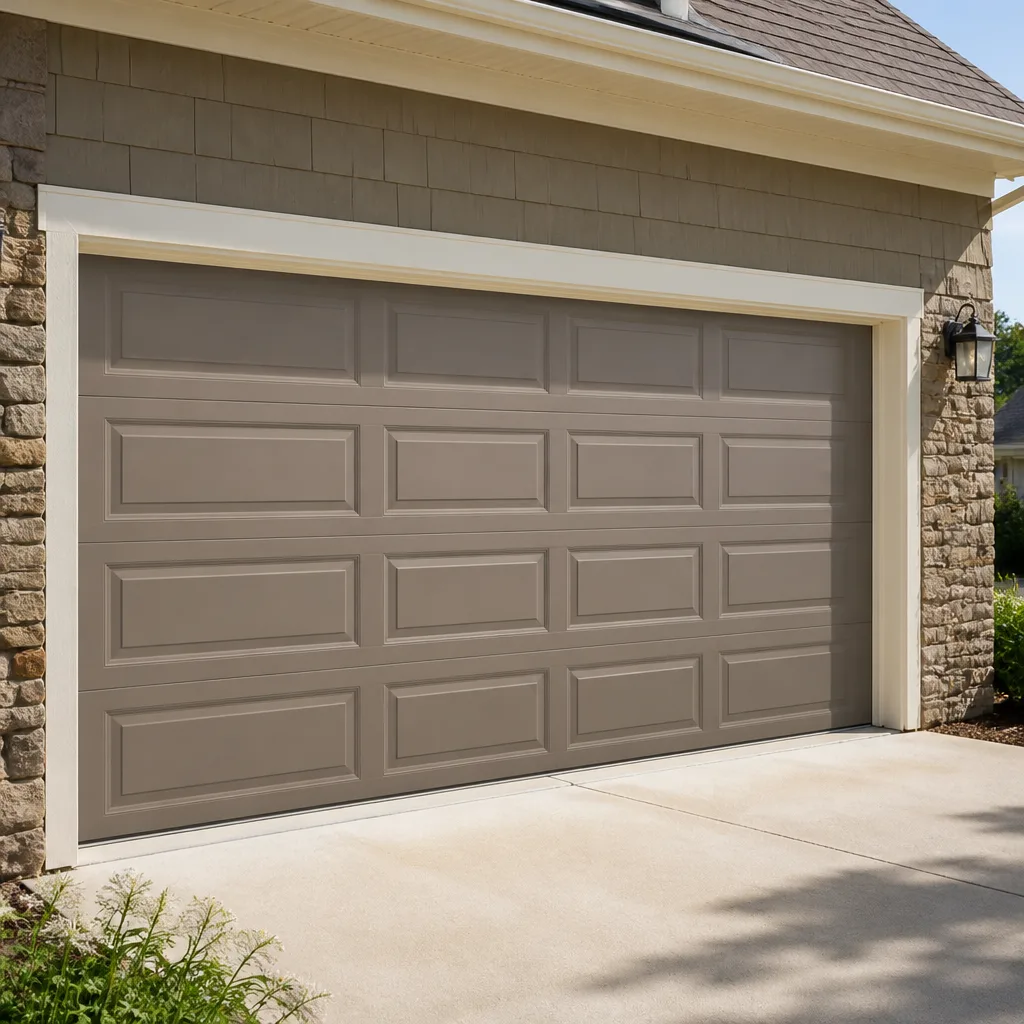 Raised-panel steel
 Carriage house
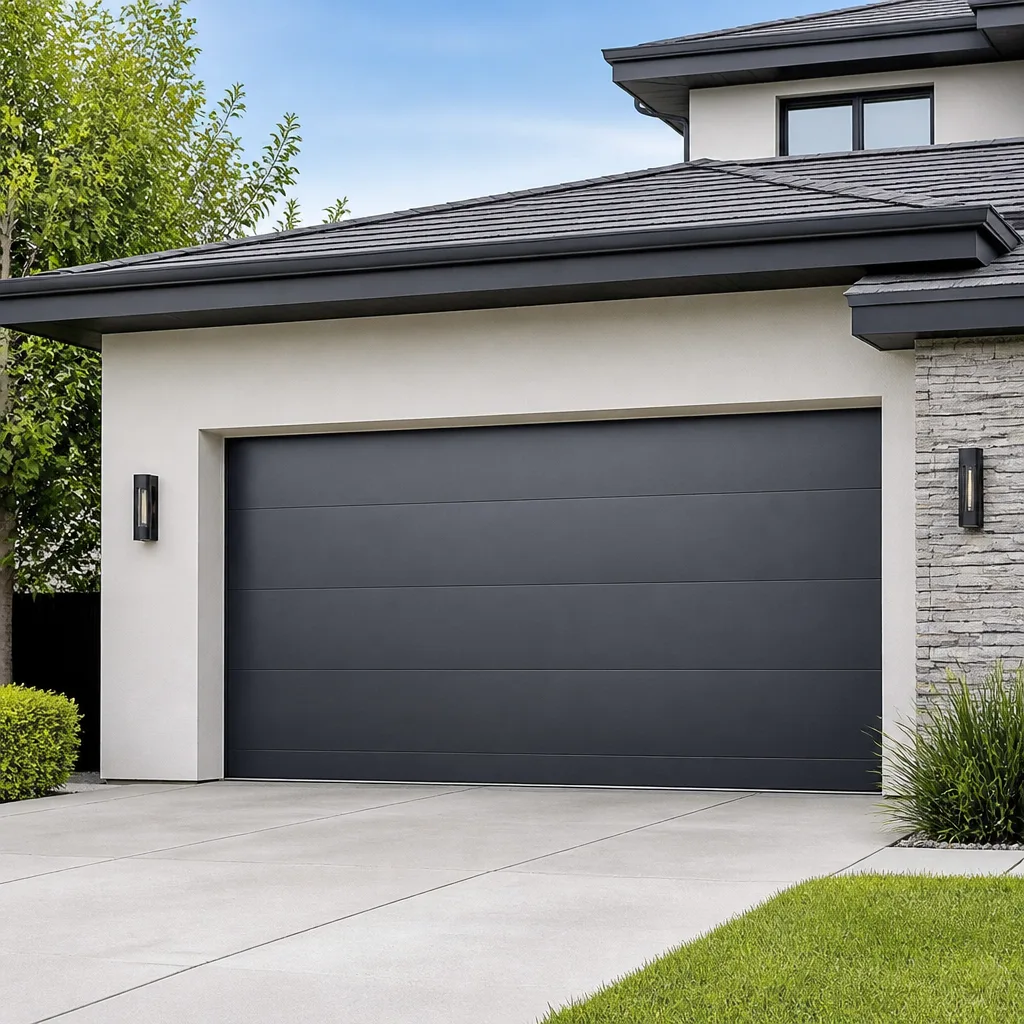 Modern flush
 Full-view glass
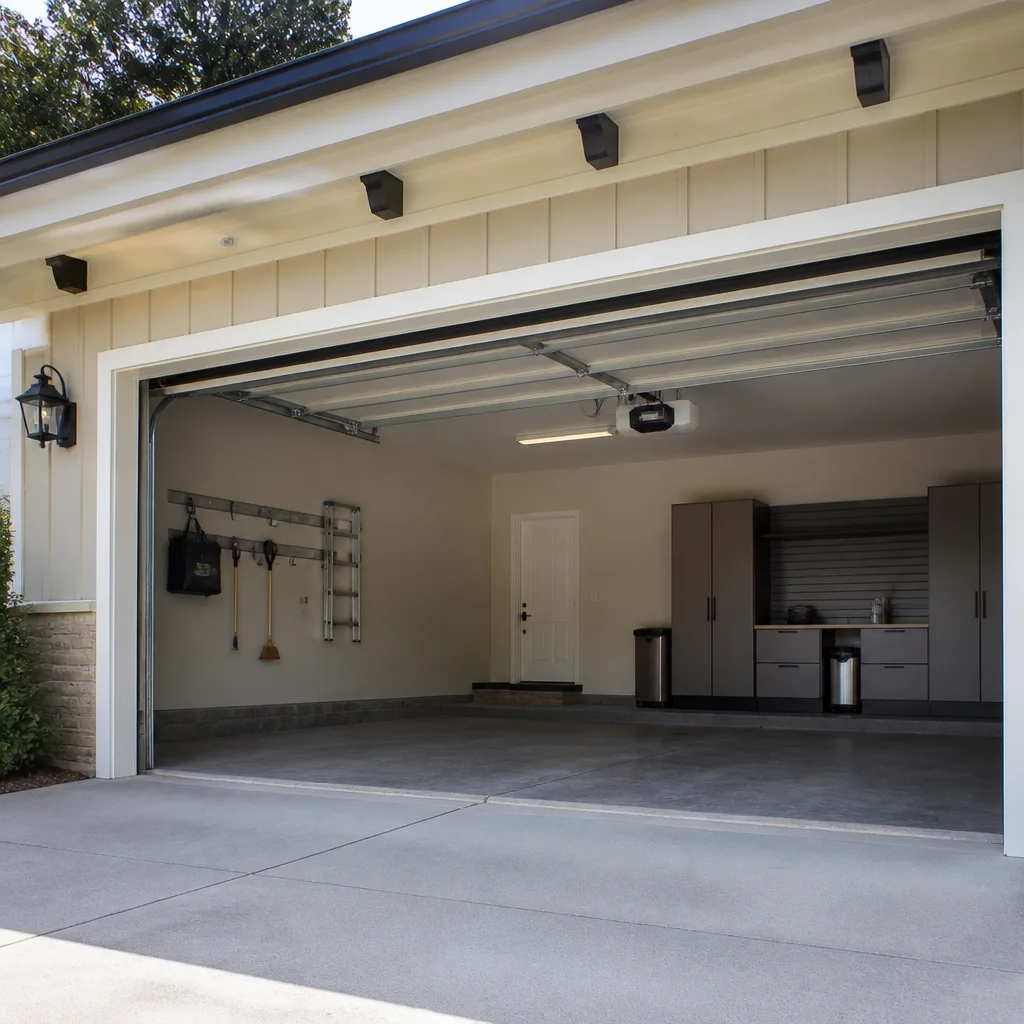 LiftMaster openers
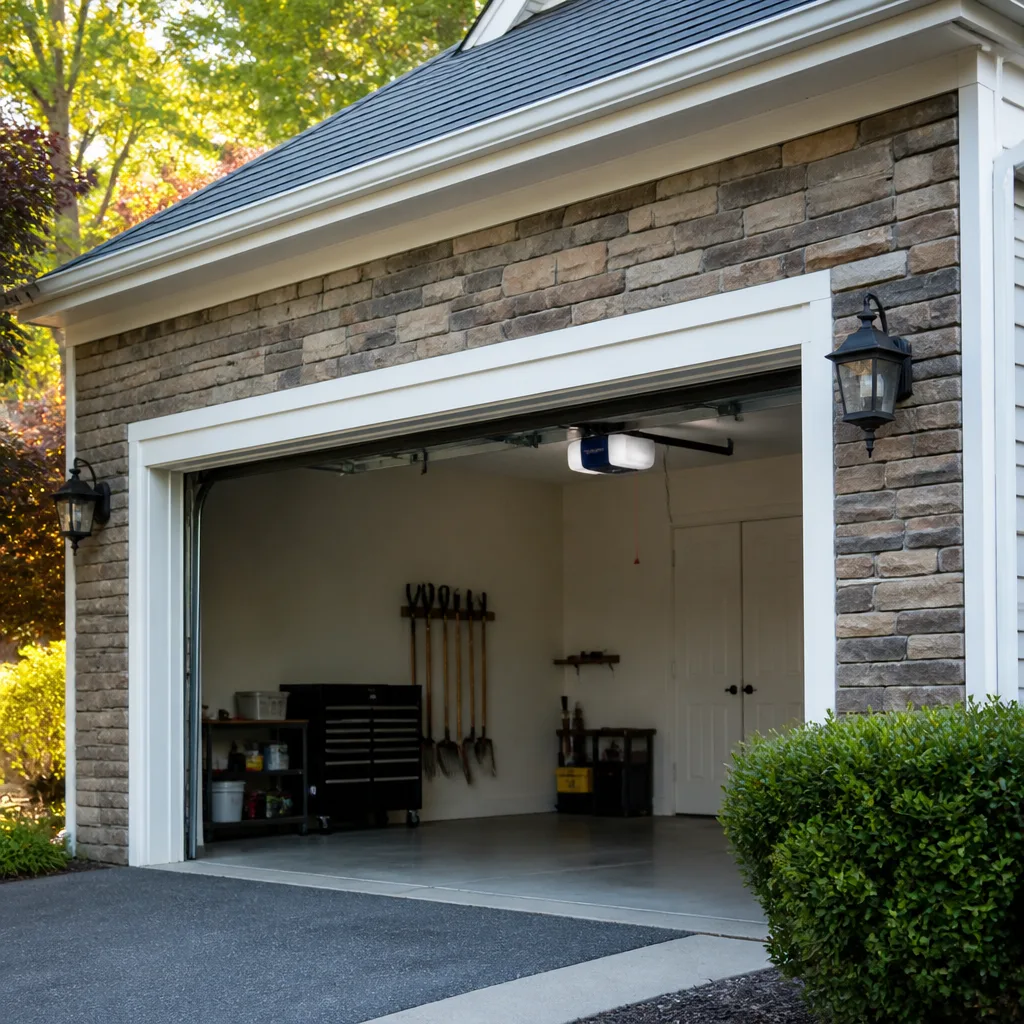 Chamberlain openers
Full 25-point door and opener safety check with every visit - springs, cables, rollers, tracks, and your LiftMaster or Chamberlain opener included
You get a price before we start. It does not change when the pro arrives.
Get your free estimateGarage Door Spring Repair Warning Signs Every Homeowner Should Know
A garage door spring rarely breaks without warning. The warning is usually a door that takes two seconds longer to open than it did last month, a faint creaking on cold mornings, or a gap appearing in the coil – all things most homeowners walk past without recognizing. Springs are the one part of the system that announce their fatigue for weeks before they fail, through sound, through movement, and through small visible changes. In this guide, we’ll show you how to read those signals, which ones mean a scheduled appointment, and which ones mean stop using the door until a technician arrives. This is written from Mesquite, where desert temperature swings do a specific kind of number on springs, and it’s meant to help you act calmly rather than wait for a loud bang.
Quick Answer
The main warning signs of a failing garage door spring are a door that feels heavier or opens more slowly than it used to, a loud creak, pop, or metallic groan during operation, a visible gap in a torsion spring coil, uneven or arcing door travel, and an opener that strains audibly on a door it once lifted silently. In Mesquite, rust at the coil ends after monsoon season and stiffness on cold winter mornings are two additional signals worth watching. Any of these means book a repair; a snapped spring or a door that won’t stay balanced means don’t operate it at all until a technician sees it.
Styles & brands we work with
- Raised-panel steel
- Carriage house
- Modern flush
- Full-view glass
- LiftMaster openers
- Chamberlain openers
Table of Contents
- How Garage Door Springs Work (and Why They Fail Slowly)
- The Sounds of a Fatiguing Spring
- The Visible Gap: What a Broken Torsion Spring Actually Looks Like
- Behavioral Warning Signs in the Door Itself
- Mesquite Climate Signals: Rust, Monsoon Season, and Cold Mornings
- Schedule an Appointment vs. Stop Using the Door
- Why This Is Not a DIY Repair
How Garage Door Springs Work (and Why They Fail Slowly)
A garage door is heavy – a standard double door can weigh well over a hundred pounds – and the springs are what make it feel light. There are two common setups. Torsion springs mount horizontally above the door on a steel shaft and do the lifting through a winding and unwinding motion. Extension springs run along the sides on tracks and stretch as the door closes. Both store energy on the way down and release it on the way up. That’s why you can lift a door with one hand when everything is in balance and struggle with both arms when a spring has lost tension.
What matters for warning signs is that this is a wear process, not a switch. Each open-and-close cycle works the coil steel a little. Over thousands of cycles the metal fatigues, and the telltale signs build up gradually. That’s genuinely good news: a spring that’s tiring gives you a window to notice and schedule. The problem is that the signs are quiet. They look like normal operation to anyone who hasn’t been taught what to watch for.
In our experience across Mesquite, the cycle counts stack up fast in busy households. A family with two cars, kids coming and going, and a pet door routine might cycle the door eight to twelve times a day. Divide that into a typical spring’s rated life and you get years, not decades – and the last stretch of that life is exactly when those small sounds and behaviors show up. For a closer look at the whole repair process, see our Garage Door Spring Repair in Mesquite page.
Key Takeaways So Far
- Springs carry the door’s weight; when they tire, the door feels heavier and opens slower.
- Failure is gradual, so warning signs appear weeks before a break.
- Busy households with kids and pets cycle the door enough to matter.
The Sounds of a Fatiguing Spring
Every garage door makes some noise. What you’re listening for is a change from what’s normal for your door. A healthy door has a steady, unremarkable hum – rollers on tracks, the opener motor, the door settling into place. A spring under coil stress adds sounds that don’t belong.
Here’s how to separate normal operational noise from the sounds that signal spring fatigue:
- Normal: a low, even rumble as the door travels; a soft thud when it reaches the floor; the opener motor’s whine.
- Spring fatigue – creak: a high, dry creak on the way up, especially on cold mornings, that wasn’t there before. It often fades as the door warms but returns the next morning.
- Spring fatigue – metallic groan: a low groan or grinding from the coil area above the door, suggesting the coil is binding or rubbing.
- Spring fatigue – pop: a single sharp pop mid-travel. This can mean a coil has slipped or a worn section has shifted.
- Spring fatigue – uneven clunk: a clunk at one corner rather than both, suggesting unbalanced tension.
- Already broken: a very loud bang followed by the door refusing to lift. At that point the spring has snapped, not fatigued.
One practical tip: listen from inside the garage with the door closed, then again with it open a few feet. If the creak or groan comes from the coil or track area above rather than the rollers, it’s worth a call. Our team is trained on the major brands, from Genie and Wayne Dalton to Clopay and Amarr, so we know the sound signatures each opener and spring set tends to produce.
The Visible Gap: What a Broken Torsion Spring Actually Looks Like
This is the sign homeowners most often miss, and it’s the easiest to check from the ground. A torsion spring, when intact, is a continuous tight coil of steel wire wound around a steel shaft above the door. The wire sits shoulder to shoulder with almost no space between the coils. When a torsion spring breaks, the coil splits – you’ll see a clear gap, often an inch or more, where the two halves have separated and started to unwind. The two pieces shift and the spring no longer holds its tension.
A spring in good condition looks uniform: even spacing the whole way across, no bright shinier wire showing where the coil has cracked, no rust crumble at the ends. A fatigued spring may not yet have a gap, but you might spot:
- A thin bright line where the wire has started to crack.
- Rusted or flaking wire at the coil ends.
- Coils that look slightly loose or spread rather than tightly wound.
If you see a real gap, treat the door as unsafe to operate and call for service. Don’t run the opener to “check” – a door with one broken torsion spring can come down hard. For a safe inspection, look from a distance, don’t touch the coil, and let a background-checked, uniformed technician handle it. If you live near the Sun City Mesquite side of town, our team knows the typical builder-installed spring sizes used there, which helps when quoting replacement.
Behavioral Warning Signs in the Door Itself
The door’s movement tells you as much as its sound. When springs are healthy, a door lifts in a straight, even line. When one has lost tension or the pair is out of balance, you’ll see and feel the door misbehave in specific ways:
- Uneven lifting: One side rises ahead of the other, so the door tilts slightly as it climbs.
- Arcing travel: The bottom of the door swings out or in a slight arc instead of running flat.
- Opener strain: A motor that used to lift silently now grinds, surges, or hesitates – the opener is compensating for weight the springs should carry.
- Slow or sluggish operation: The door takes longer to open than it did a month ago.
- Stops partway up: The travel reverses or stalls, a sign the opener is hitting its force limit because it’s working harder than it should.
- Heavy manual lift: If you can safely test with the opener disconnected, a healthy door lifts with one hand. A door that needs real effort means the springs are done.
These behavioral signals often show up while the door still “works,” which is what makes them easy to put off. But an opener straining against a tired spring adds wear to the motor and the tracks. Bearing the brunt on the opener’s gears shortens its life, so addressing the spring protects the rest of the system. If the opener is already struggling, our Garage Door Repair in Mesquite team can check both parts at once.
Mesquite Climate Signals: Rust, Monsoon Season, and Cold Mornings
Mesquite’s desert climate is hard on springs in a couple of specific ways, and the signs look a little different here than in a humid coastal city.
Monsoon-season rust. When the summer storms roll through, the brief bursts of humidity and moisture find their way into the coil ends, which are the most exposed part of the wire. Rust forms there and, left alone, weakens the steel. What to look for: orange or brown staining at the ends of the coil, flaking wire, or a gritty appearance along the coil. Rust is a fatigue accelerant, not just a cosmetic annoyance, and treating it as a warning sign is worth the glance.
Cold-morning stiffness. Even in Mesquite, winter mornings get cold enough that steel contracts and grease thickens. A healthy door might sound a touch stiffer for the first cycle of the day. A door with reduced spring tension sounds noticeably creakier and feels harder to lift on cold mornings, then loosens up as it warms. If you notice this pattern each winter, the springs are tired – and scheduling a repair before the busy season is easier than an emergency call later.
Ask any family near the Highland Estates area and they’ll tell you the seasonal shift is real. These climate signals are exactly the kind of thing a quick inspection catches. A written price before any work begins means you know what a spring replacement will cost before you commit.
Schedule an Appointment vs. Stop Using the Door
The single most useful decision this guide can give you is the difference between a warning sign that lets you plan and one that means stop. Here’s the framework we recommend:
Signs that mean schedule a repair – the door is still usable
- A creak or groan that’s new or getting worse.
- The door feels heavier or opens more slowly than last month.
- Rust at the coil ends; stiffness on cold mornings.
- The opener is straining or the door travels unevenly.
- No visible gap in the coil.
Signs that mean stop operating the door
- A loud bang during operation, followed by the door not lifting – the spring has snapped.
- A visible gap in the torsion spring coil.
- The door hangs crooked or drops suddenly.
- One side lifts clearly before the other and the door looks unsafe.
- The door won’t stay closed or won’t stay balanced.
When in doubt, don’t cycle the door. It’s cheaper to have a technician look than to damage the door, opener, or tracks by forcing it. Comparing this to a Garage Door Installation in Mesquite – if the whole door system is aging, a replacement conversation may make more sense than repeated repairs, and it’s worth having that discussion before rushing any decision.
Why This Is Not a DIY Repair
We want to be direct here. Garage door torsion springs store enormous energy. The tension that lifts a heavy door is held by the coil, and adjusting or replacing it involves winding and unwinding that energy with the right tools and the right procedure. This is genuinely dangerous work – a mistake with a winding bar or a spring that releases unexpectedly can cause serious injury. That’s why we don’t publish step-by-step instructions and why we recommend a trained professional for anything beyond a visual check from the ground.
What you can safely do: look at the coil from a distance, listen for those new sounds, note any changes in door behavior, and call before it fails. Our technicians have up to 24 years of experience and are background-checked and uniformed. Our standard practice on every visit is the C.A.R.E. values – Clean up like it’s our own home, Ask before we move or touch anything, Respect the family’s time and quiet hours, and Explain the price before the work. That includes shoe covers and drop cloths inside the home, pet-safe products where there’s a choice, and a photo of the clean-up before we leave. Every job is backed by our 365-Day Done Right Promise – if it isn’t done right, we make it right.
Common Mistakes to Avoid
- Ignoring a slow-down. A door that opens a little slower each month is telling you the springs are losing tension. Waiting for a bang turns a scheduled repair into an emergency call.
- Running the opener on a door with a visible coil gap. A snapped torsion spring can drop a heavy door hard. Look from the ground, don’t force it, and call a technician.
- Testing by “helping” the door by hand without disconnecting the opener. Full-weight tests by hand can strain your back and give a false read. A safe balance check needs the opener disconnected and a careful hand.
- Assuming rust is only cosmetic. Near Mesquite’s monsoon season, rust at the coil ends is a fatigue warning that deserves a look.
- Replacing the spring without looking at the opener. An opener that’s been straining against a weak spring wears faster, so a good technician checks both.
- Skipping the written price question. Ask for the price in writing before work begins. You should never be surprised by the invoice, and it’s a fair thing to expect on every visit.
- Waiting for the busy season. When the cold mornings hit and every door stiffens, appointments fill up. Scheduling early is easier than calling when the door has already stopped.
See the difference
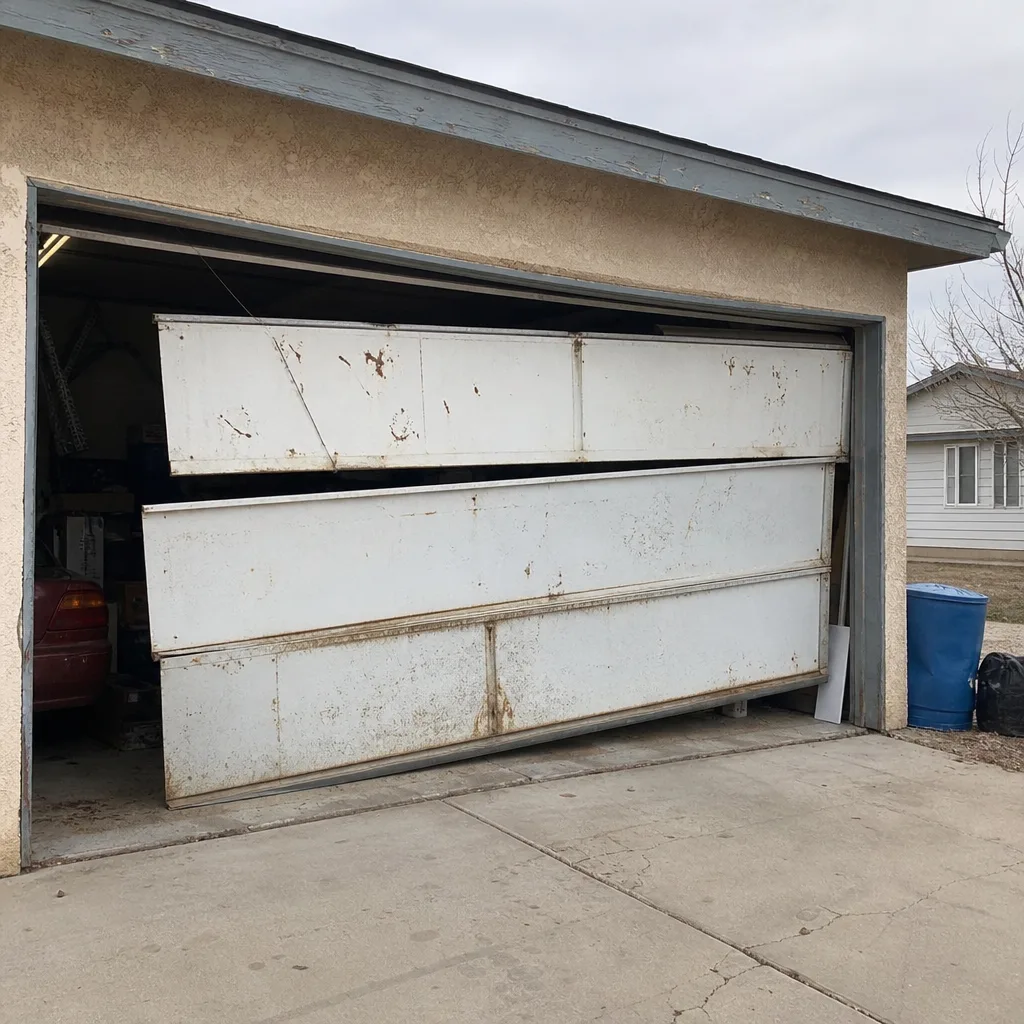 Before
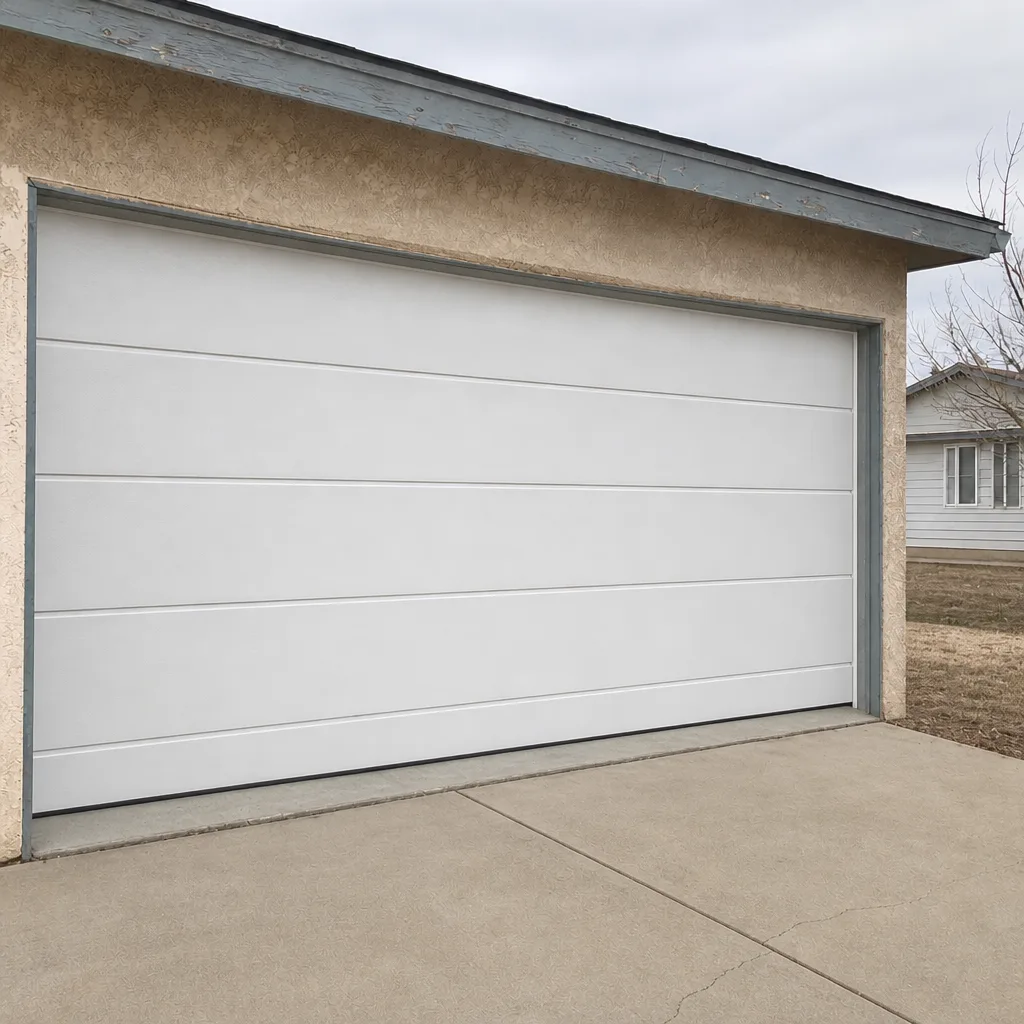 After
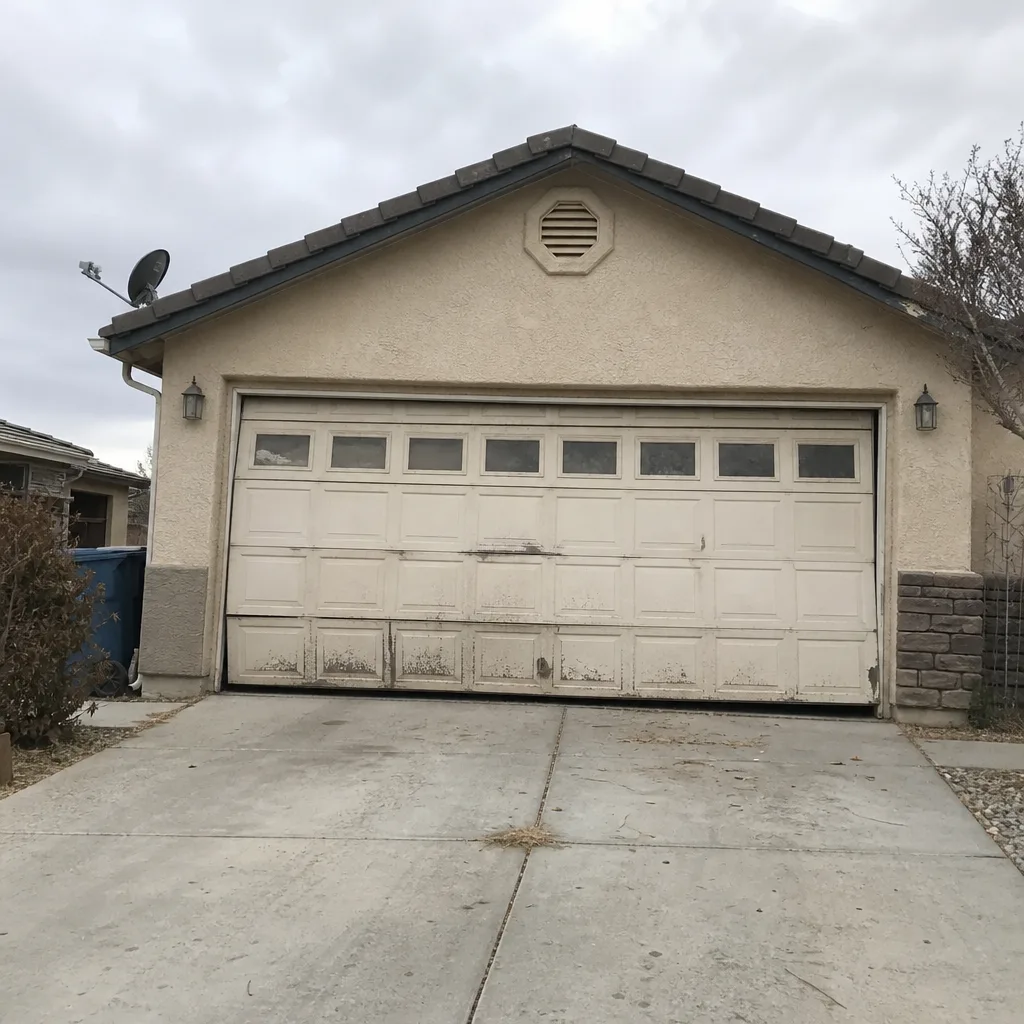 Before
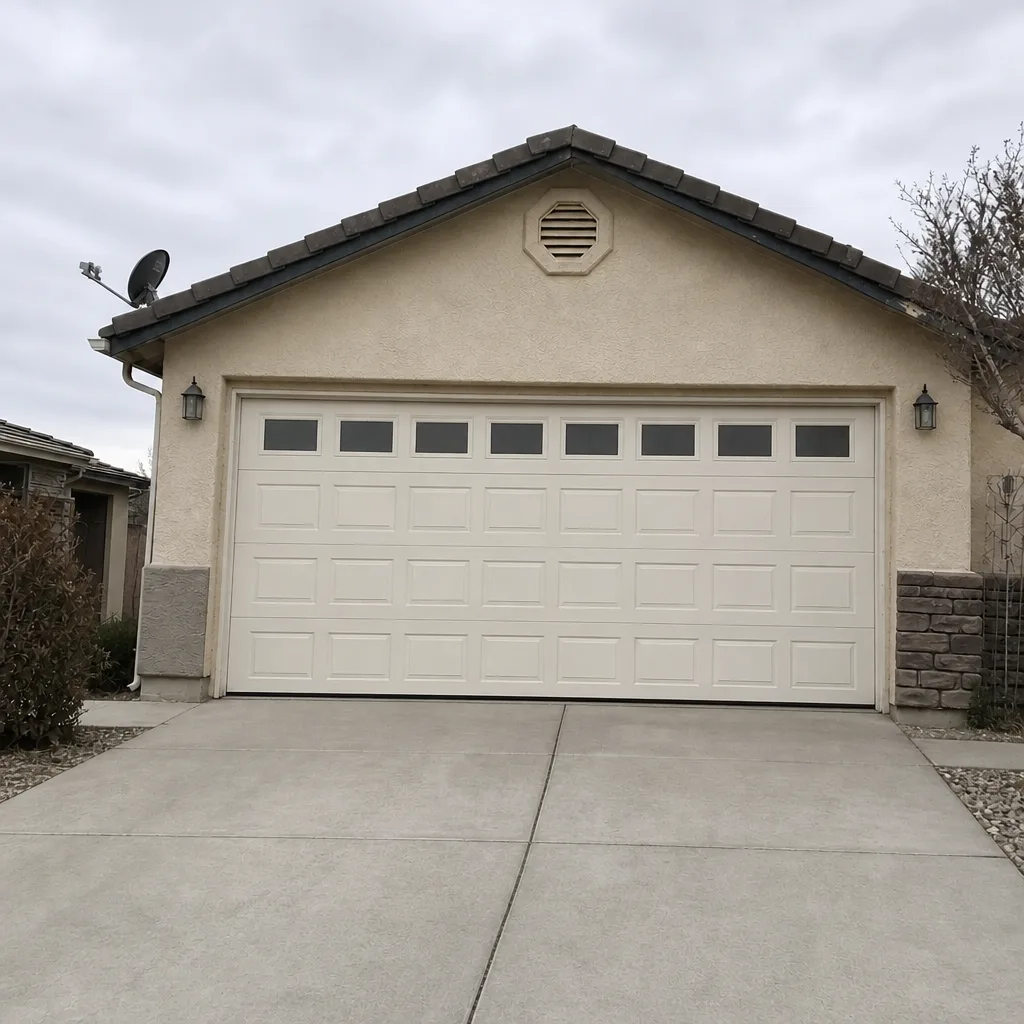 After
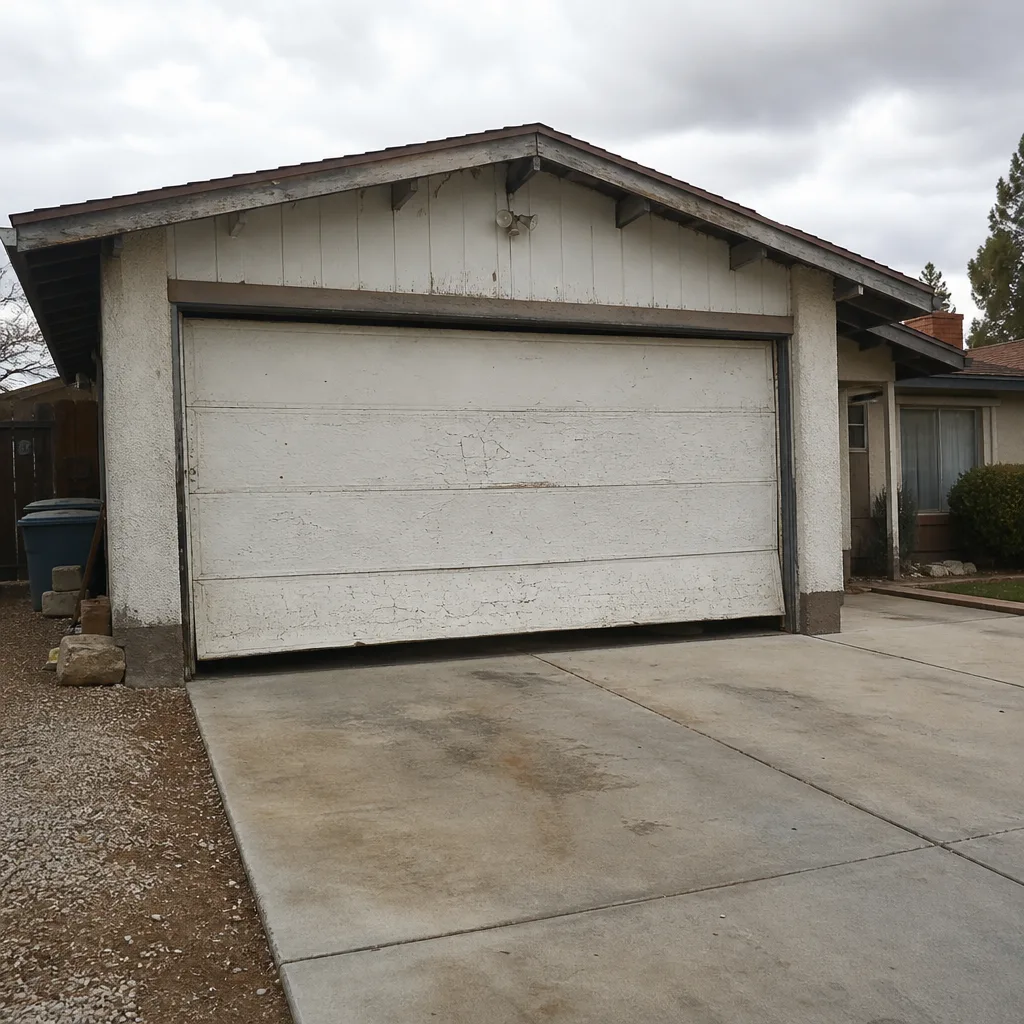 Before
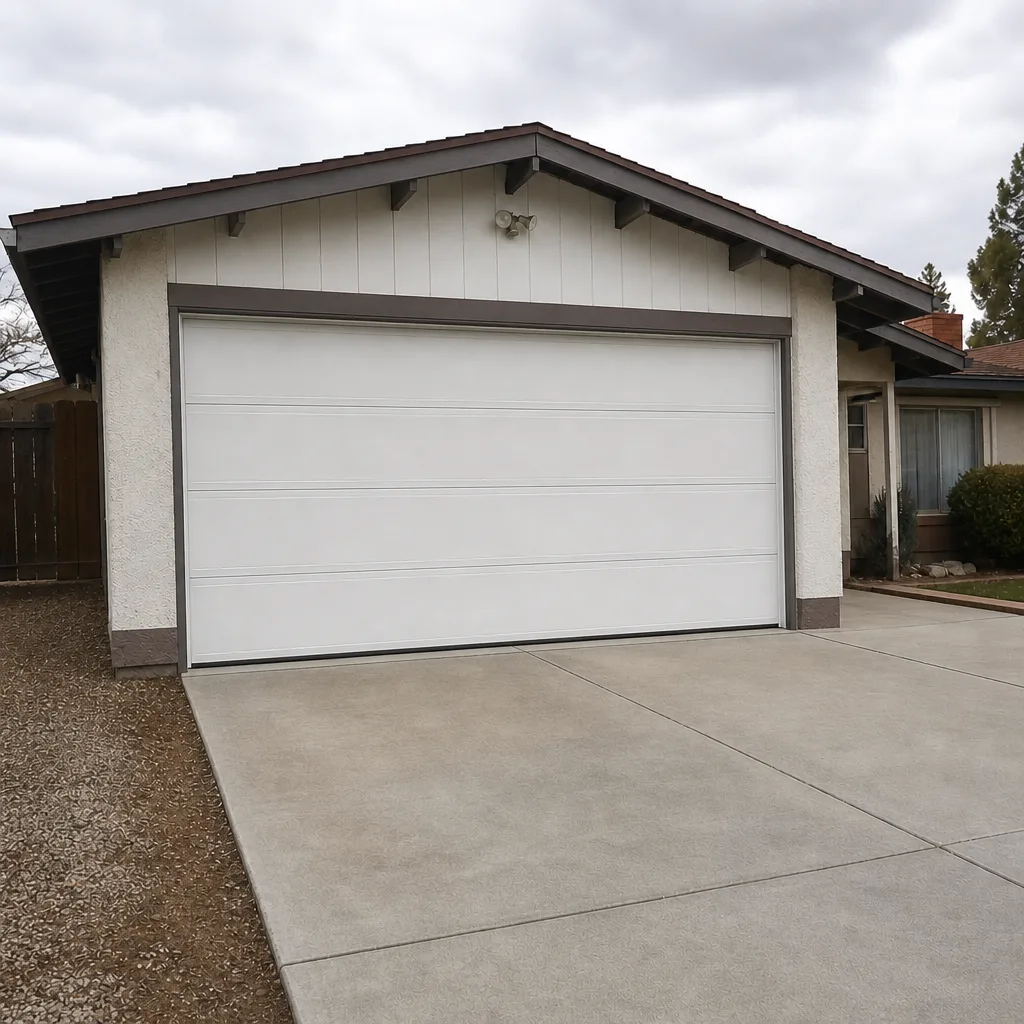 After
When to Call a Professional
Call a professional the moment you hear a new creak, pop, or groan from the coil; when the door opens more slowly or heavily than it did a month ago; when you spot rust at the ends of the spring or a gap in the coil; when the door travels unevenly or arcing; or when your opener strains on a door it once lifted silently. If the door has already snapped, hangs crooked, or won’t stay balanced, don’t operate it – call and describe what you see. In all of these cases, a trained technician can confirm the cause and present a written price before any work starts. When it comes to spring repair, that early call is the difference between a scheduled visit and a door that’s already failed.
Fernbrook Garage Door Repair Mesquite offers free estimates in Mesquite – call (888) 255-7680. A live person answers the phone 24 hours a day, no voicemail, so there’s someone to talk to whenever you notice something off.
Frequently Asked Questions
A spring that’s going bad shows warning signs: new creaks or groans, a door that feels heavier, uneven travel, or rust at the coil ends. A spring that’s already broken usually shows a clear gap in the torsion coil, makes a loud bang, and leaves the door unable to lift. If you see a gap, stop operating the door and call.
A broken torsion spring has a visible gap in the coil – an inch or more where the wire has split and started to unwind. A healthy spring looks like a tight, even coil end to end with no gap and no bright cracked wire. If you’re in doubt, look from a distance and don’t touch it.
Cold mornings make steel contract and grease thicken, so a healthy door sounds a bit stiffer on the first cycle. If it creaks noticeably more each cold morning and feels harder to lift, that’s a sign of reduced spring tension worth a call.
Yes. The brief humidity during summer storms can cause rust at the exposed coil ends, which weakens the steel over time. Look for orange or brown staining and flaking at the ends of the coil. Rust is a fatigue warning, not just a cosmetic issue.
If you only hear a creak or notice a slow-down, you can typically schedule an appointment and still use the door carefully. If you see a gap in the coil, hear a loud bang, or the door hangs unevenly, stop using it. Don’t force a door with a snapped spring.
Cost depends on the spring type, door weight, and whether the opener also needs attention, so we don’t quote a number without seeing the door. What we can promise is a written price before any work begins, every visit, and no surprise invoices. Call (888) 255-7680 for a free estimate and a clear answer.
The Bottom Line
Springs fail gradually, and that’s the whole point of learning their signals. The sounds, the visible gap, the door’s movement, and the climate clues around Mesquite give you weeks of warning to act. Treat a slow-down or a new creak as a scheduled appointment, and treat a snapped spring or a coil gap as a reason to stop and call. Both paths lead to a written price and a technician who respects your home. The door is only the minimum. For the full range of services, visit our Fernbrook Garage Door Repair Mesquite home page, and if the opener is the part making noise, our team can check it alongside the spring.
If you’ve noticed any of the warning signs in this guide, don’t wait for the bang. Call Fernbrook Garage Door Repair Mesquite at (888) 255-7680 for a free estimate. A live person answers any time, day or night, and you’ll get a written price before any work starts.
Written by the team at Fernbrook Garage Door Repair Mesquite.