
Last updated November 17, 2026
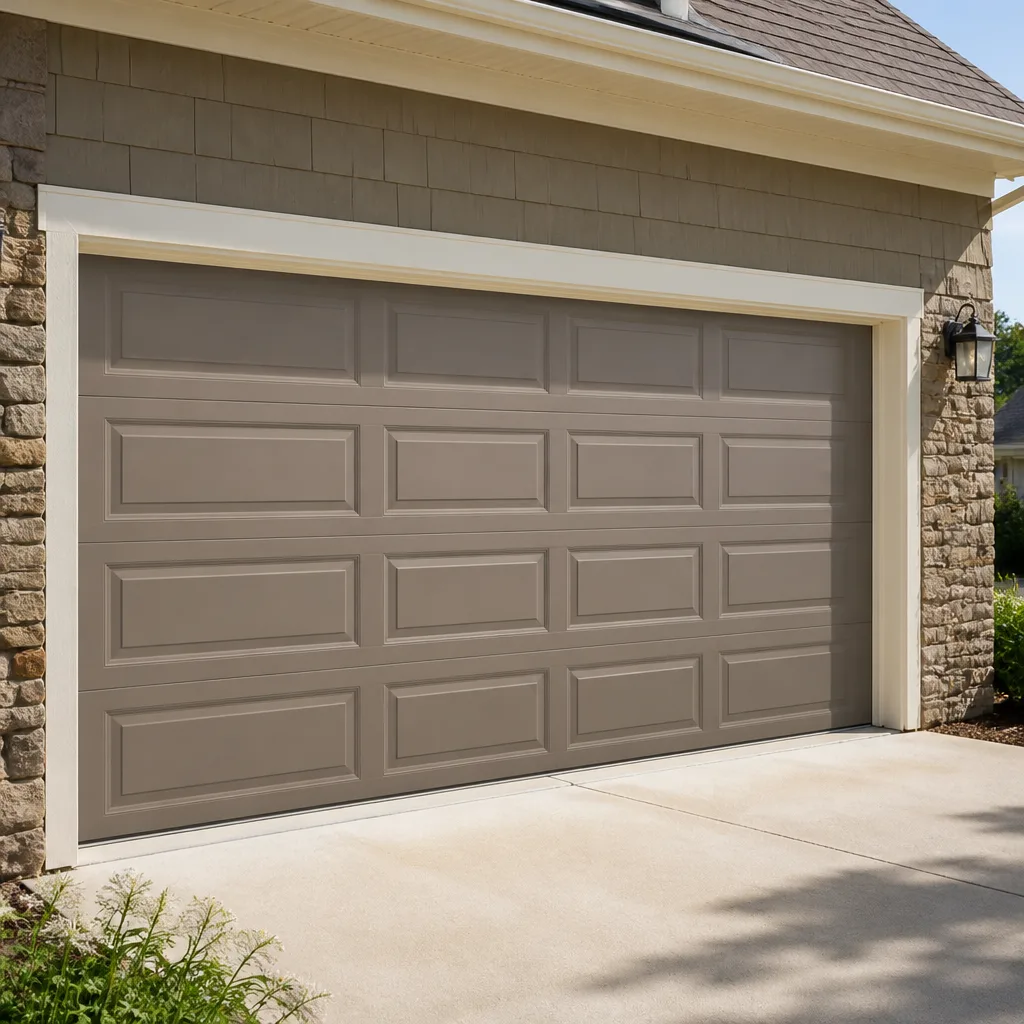 Raised-panel steel
 Carriage house
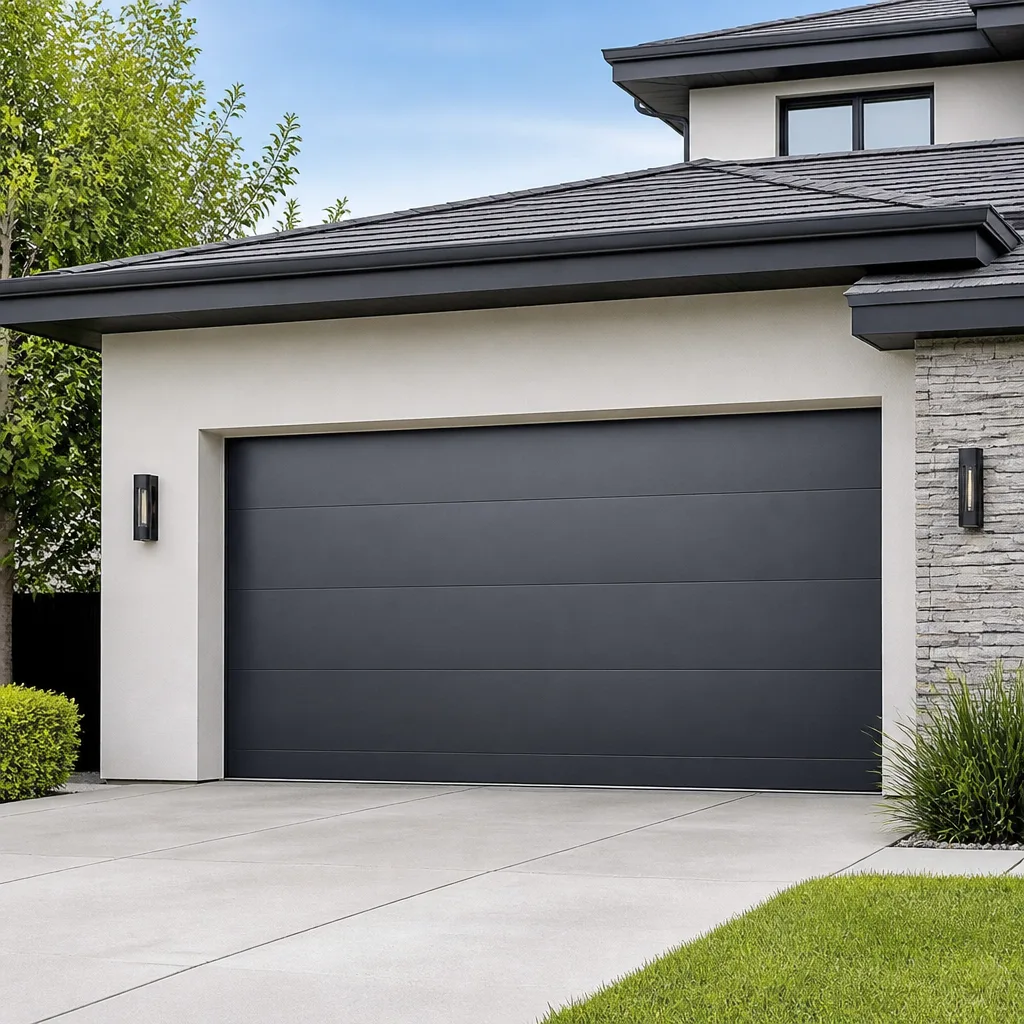 Modern flush
 Full-view glass
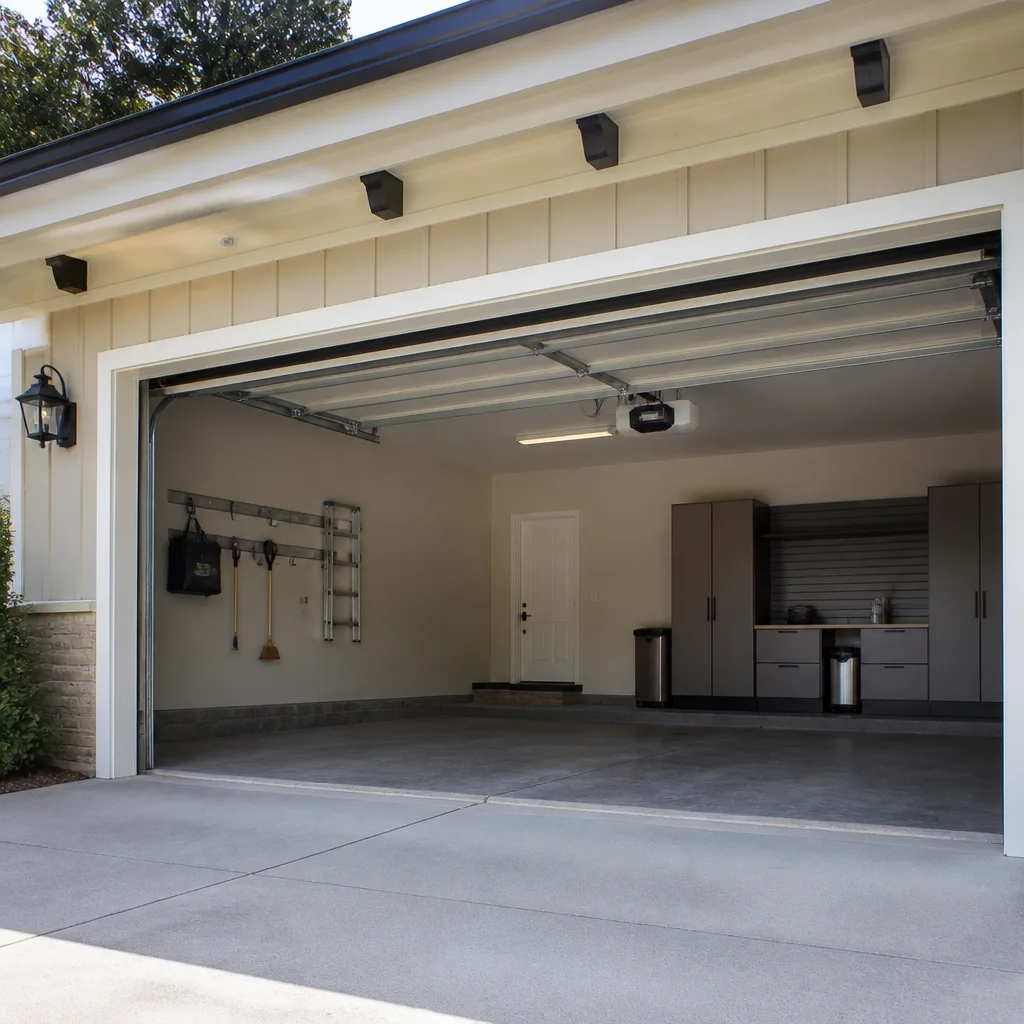 LiftMaster openers
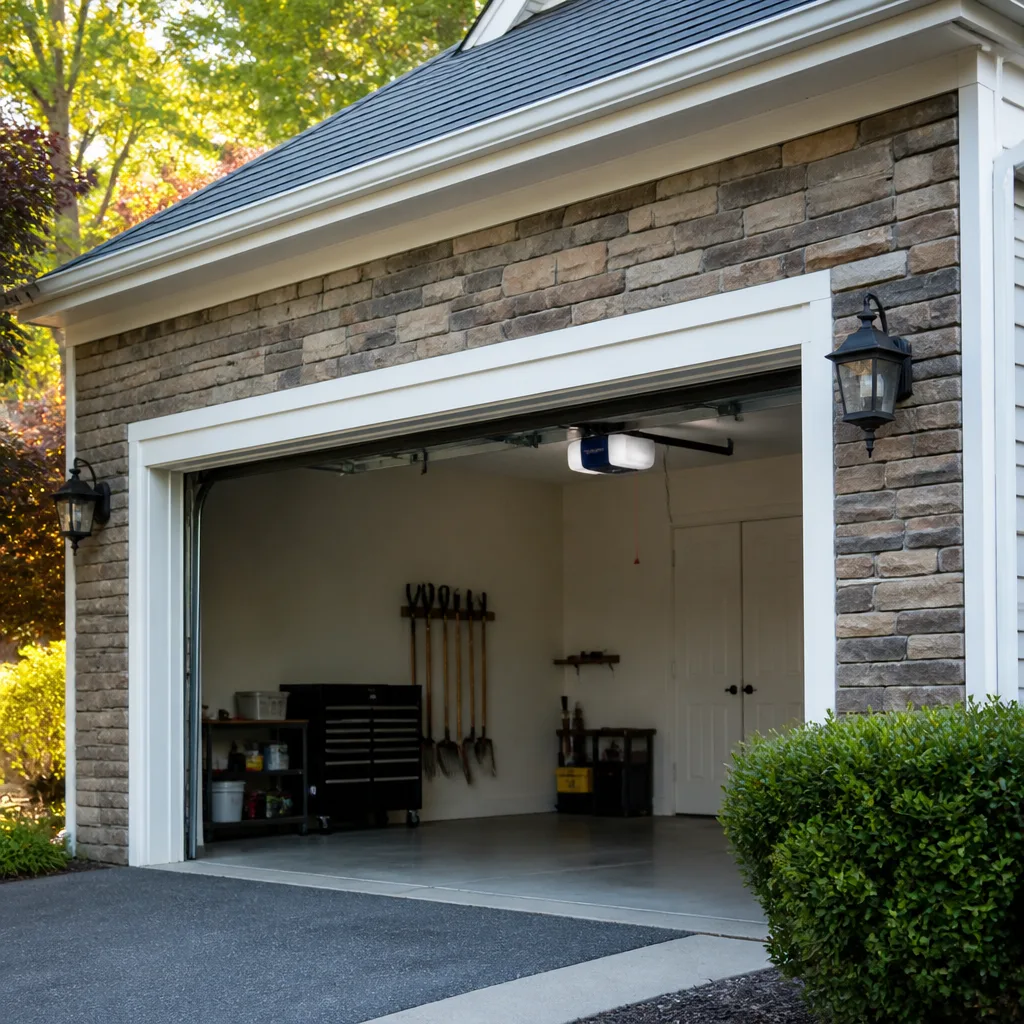 Chamberlain openers
Full 25-point door and opener safety check with every visit - springs, cables, rollers, tracks, and your LiftMaster or Chamberlain opener included
You get a price before we start. It does not change when the pro arrives.
Get your free estimateGarage Door Repair Warning Signs Every Homeowner Should Know
Emergency garage door calls cost more than scheduled ones, sometimes significantly more. The uncomfortable truth is that most of those emergencies were preceded by warning signs that went unrecognized for two to four weeks. That’s not a sales line; it’s the pattern we see on repair calls across Mesquite, where a door that had been grumbling since early spring finally gives out on a Tuesday morning when someone is already late for work. This guide isn’t about being anxious about your door. It’s about recognizing the difference between a healthy door and one that’s sending a message, so you can book a normal appointment instead of a same-day emergency at a higher rate. We’ll name the sounds, the speed changes, and the visual shifts precisely enough that you can identify them yourself from the driveway.
Quick Answer
The main garage door repair warning signs are unusual sounds (grinding, popping, snapping, rattling, or squealing), a door that closes noticeably faster or slower than it used to, a door that drifts down a few inches when left half-open, bent or sagging panels, and visible wear on cables, rollers, or hinges. Most of these appear weeks before a door fails completely, which gives you time to schedule a normal repair visit rather than pay emergency rates. A door that makes a loud bang or hangs crooked needs a same-week call, not a wait-and-see.
Styles & brands we work with
- Raised-panel steel
- Carriage house
- Modern flush
- Full-view glass
- LiftMaster openers
- Chamberlain openers
Table of Contents
- The Five Sounds That Point to Specific Failures
- Measuring Your Door’s Closing Speed With a Stopwatch
- What Door Drift Looks Like From the Driveway
- The Difference Between Wait Two Weeks and Call This Week
- Visual Warning Signs Most Homeowners Miss
- How to Photograph and Describe the Problem Before You Call
- Common Mistakes to Avoid
- When to Call a Professional
- Frequently Asked Questions
The Five Sounds That Point to Specific Failures
A healthy garage door makes one sound: a smooth, low hum as the opener pulls it up and a soft settle as it closes. Everything else is information. In our experience across Mesquite, homeowners describe the same five sounds over and over, and each one points to a specific component that’s beginning to fail. You don’t need any repair background to identify them; you just need to stand in the garage and listen once.
- A grinding or scraping sound that seems to come from the tracks. This usually means the rollers are worn flat or a roller has jumped the track. It’s the most common early signal and the most affordable to fix when caught early.
- A loud pop or snap from above the door, often followed by the door refusing to open. That’s a torsion spring breaking. It’s the loudest warning your door will give you, and it usually means same-day service.
- A rhythmic clicking or rattling that speeds up as the door moves. Loose hinges, a stretched chain on a chain-drive opener like a LiftMaster or Chamberlain unit, or a worn gear in the opener housing.
- A high-pitched squeal when the door starts up. Dry or worn rollers, or a torsion bar that needs lubrication. Sometimes a failing opener motor bearing.
- A low groan or vibration through the whole door as it moves. An unbalanced door, often paired with stretched cables or a spring that’s lost tension.
If the sound is a single loud pop followed by a door that won’t lift, or if you see the door hanging crooked from the ceiling, stop operating the door. That’s a safety situation. Springs and cables are under extreme tension and injuring yourself on them is genuinely easy to do. Call a trained technician. Our technicians have up to 24 years of experience and can talk you through what’s safe to check while waiting for the visit.
Measuring Your Door’s Closing Speed With a Stopwatch
This is the check most homeowners have never heard of, and it’s one of the most useful. Garage doors open and close at a fairly consistent speed. When a torsion spring begins to lose tension, the door gets slower. When a spring is overtight, or when an opener is failing, the door can speed up. Both are early signals, and both are measurable with the stopwatch on your phone.
- Open your phone’s stopwatch app and stand where you can see the door close.
- Start the timer the moment the door begins to descend from fully open.
- Stop it when the door contacts the floor.
- Write the number down. That’s your baseline. Do it two or three times to get an average, because a single run can be off.
- Repeat the test in three or four weeks. If the time has shifted by more than two seconds, that’s a deviation worth noting.
A door that’s two seconds faster than it used to be is moving at a speed the opener wasn’t designed for, which stresses the gearing and the safety sensors. A door that’s two seconds slower suggests a spring that’s lost tension. Neither means the door is about to fall on a car. Both mean it’s time to schedule a visit. In Mesquite’s summer heat, springs and lubricants take a beating – we tend to see faster wear between May and September than in the winter months, which is why we recommend repeating the stopwatch test every spring.
If you’re ever concerned your door is out of balance or your springs are past their useful life, our page on Garage Door Spring Repair in Mesquite walks through what a spring replacement involves.
What Door Drift Looks Like From the Driveway
Door drift is the visual sign of an unbalanced door, and you can spot it in about ten seconds from where you park. Here’s what to do:
- Open the door about halfway to your waist height.
- Let go and step back, but keep everyone well clear of the door.
- Watch for four seconds.
A balanced door stays put. An unbalanced door drifts slowly downward on its own, sometimes an inch and sometimes several. If it moves at all, the torsion springs are no longer carrying the door’s weight evenly. An unbalanced door puts stress on the opener, the rollers, and the panels themselves, and it shortens the life of everything in the system.
This check is safe to do because the door is at waist height with nothing underneath. Don’t do it with kids or pets in the garage. It’s not a check that requires any tools or any mechanical knowledge. If your door drifts, book a repair appointment within the next week or two. An unbalanced door is the single most common thing homeowners let go for months, and it’s the thing that turns a $200 adjustment into a much larger repair once the opener gives out.
Quick safety note
Never operate the door, and never attempt to tighten, loosen, or replace the springs or cables yourself. Torsion springs hold hundreds of pounds of tension and can cause serious injury if released incorrectly. The checks in this guide are observation-only. Any repair involving springs, cables, or the torsion bar is a job for a trained technician.
The Difference Between Wait Two Weeks and Call This Week
Not every warning sign is a same-week call, and telling homeowners to panic over every rattle is unhelpful. Here’s the practical split we use with families in Mesquite. It separates the signals that give you a one-to-two-week scheduling window from the ones that warrant a call in the next few days.
You have a one-to-two-week scheduling window if:
- The door squeals or groans but opens and closes on the opener.
- The door runs slightly slower or faster than your stopwatch baseline.
- The door drifts a little when half-open.
- Rollers or hinges look visibly worn but the door isn’t jumping the track.
Call within the week (or same day) if:
- The door makes a loud pop or bang and won’t open.
- The door hangs visibly crooked from the ceiling.
- A cable is frayed, hanging slack, or off its drum.
- The door travels partway and reverses on its own.
- The opener hums but the door doesn’t move.
- The door comes down slowly and doesn’t fully seal at the floor.
If you’re on the fence, err on the side of a call. A diagnostic visit is inexpensive and it turns “I think something’s off” into a written price for the actual repair. Our team at Garage Door Repair in Mesquite will quote you a price in writing before any work starts, every visit.
Visual Warning Signs Most Homeowners Miss
Sounds and speed changes get noticed. The visual signals are the ones that slip past even careful homeowners, because nothing has gone wrong yet – the door still moves, the car still gets out, so nobody looks closer. These are the ones worth a walk-around once a month.
- Panels out of line. Stand on the driveway and look at the horizontal seams between panels. If one seam is angled rather than straight, a hinge or a roller has shifted.
- Rollers with flat spots. Look at the small wheels that ride in the track. A roller should look round and glide smoothly. A roller with a visibly worn or flattened edge is a common cause of grinding.
- Frayed cables. The thin steel cables on either side of the door should look tight and clean. Any fraying, kink, or slack is a call-this-week signal.
- Chewed weatherstripping. In Mesquite, the rubber seal along the bottom of the door takes a hard hit from summer heat and dry air. A brittle or torn seal invites dust and small desert insects into the garage.
- Rust spots on the tracks. Even in the desert, condensation and dust can roughen a track over time. A gritty track is a lot easier to clean than to replace.
- Loose wall-mounted opener brackets. Grab the wall bracket – not the rail – and give it a firm wiggle. It shouldn’t move. If it does, the opener is going to work itself progressively out of alignment.
If you spot something on this list, take a photo with your phone and mark the location. Photos are some of the most helpful things a homeowner can bring to a service call.
How to Photograph and Describe the Problem Before You Call
The difference between a fast, correctly-parts repair and a return visit is usually what the homeowner was able to describe on the phone. Here’s how to give a technician enough to arrive prepared. This matters especially for install or replacement scheduling, where we order a specific panel or an opener model instead of arriving with a generic kit.
- Photograph the whole door from the driveway. Include the floor for scale.
- Photograph the specific problem area up close. A worn roller, a frayed cable, a misaligned panel seam, a bent track. One good close-up saves a lot of diagnostic time.
- Note the make and model of your opener. Most units have a label on the back or top of the motor housing. Brand names like LiftMaster, Chamberlain, Genie, and Raynor all have different parts commonality, so knowing yours helps the technician plan.
- Write the sound in plain language. “Grinding at the top when the door starts to go up” is more useful than “it’s making a noise.”
- Note your stopwatch baseline number. “Used to close in about 12 seconds, now takes around 16” is a specific, useful sentence.
- Note what’s safe to enter the garage. If you have a dog crate or a sleeping toddler, say so. A team trained on the C.A.R.E. values will schedule quiet hours and use hand tools over power tools where possible.
The technicians we connect you with are background-checked, uniformed, and trained on eight major brands, including Clopay, Amarr, Wayne Dalton, and Craftsman. Photos and descriptions make the visit shorter, which is good for your floor and good for the household routine.
Common Mistakes to Avoid
- Greasing the tracks. This is the most common well-intentioned mistake. Tracks should be clean and dry, not lubricated. Grease on the track attracts Mesquite dust and turns it into a grinding paste. If anything on your door gets lubricant, it’s the rollers, hinges, and spring coils – not the track.
- Ignoring a slow drift. A door that drifts an inch when half-open feels “almost normal.” It isn’t. It means the springs are fighting each other and the opener is compensating. That compensation is what eventually fails.
- Over-tensioning the springs by hand. Torsion springs are wound to a precise count for the door’s weight. Adjusting them by eye is how injuries happen and how doors come down crooked. Leave this to a trained technician.
- Blaming the opener first. Homeowners often replace the opener when the actual failure is a cable, roller, or spring. Diagnose the door before you spend money on the motor.
- Waiting out the summer heat. In Mesquite, heat accelerates wear on springs, seals, and lubricants. A door that’s fine in April can be unbalanced by August. If we see a spring showing stress in May, we’d rather adjust it then than replace it in July.
- Letting a small panel dent go. Hail and stray basketballs dent panels. A dented panel doesn’t only affect appearance – it can interrupt the door’s seal and let heat in, which matters in this climate.
- Assuming a 365-day warranty does any good if the shop doesn’t stand behind it. Read the promise in plain language, ask what “done right” means in practice, and make sure it’s stamped on the job. Ours is, and if something isn’t right, we come back and fix it.
If you’ve been through our warning sign checklist and think it’s time for a full replacement, our Garage Door Installation in Mesquite page explains what a scheduled install looks like from measuring through clean-up.
When to Call a Professional
Call a professional if you hear a pop or bang from the ceiling, if the door won’t open or hangs crooked, if you see a frayed or slack cable, if the door reverses on its own, or if your stopwatch baseline has shifted more than two seconds and stayed there. Also call if you’ve caught a drift in the half-open test – that’s an unbalanced door, and it’s the most common cause of premature opener failures. None of these are jobs to attempt yourself; springs and cables carry injury risk that even experienced DIYers should not take on. Fernbrook Garage Door Repair Mesquite offers free estimates in Mesquite – call (888) 255-7680. A live person answers the phone 24 hours a day, 7 days a week, and we’ll quote you a written price before any work starts.
Frequently Asked Questions
Most warning signs give you two to four weeks before a door fails completely, which is why a scheduled repair visit is almost always cheaper than an emergency one. Some signals, like a loud pop from a broken spring, are same-day situations. If you’re unsure which category you’re in, call and describe the sound – a live person answers around the clock and can tell you whether it waits or not. Call (888) 255-7680 for a free estimate.
It’s safe to use a noisy door that still opens and closes smoothly if the noise is minor, but you should stop using it if you hear a loud pop, see a frayed cable, or the door hangs crooked. Do not attempt to repair, tension, or adjust the springs or cables yourself – they’re under extreme tension and can cause serious injury. Call us to schedule a diagnostic visit; the written price comes before any work starts.
Yes. High desert temperatures accelerate wear on springs, weatherstripping, and lubricants, and we tend to see more spring and roller failures between May and September than in the cooler months. That’s why we suggest repeating the stopwatch test every spring and doing a driveway walk-around monthly. Call (888) 255-7680 to book a scheduled inspection before the hot season.
The written price covers the parts and labor for the specific repair we’ve diagnosed, and it’s presented before any work begins, every visit – no exceptions. If opening the door reveals something different than expected, we stop, explain what we found, and quote the new price before proceeding. You won’t see an invoice larger than what you agreed to. Call (888) 255-7680 for a free estimate.
Yes. The technicians we connect you with are background-checked, uniformed, and trained on eight major brands including Raynor, LiftMaster, Chamberlain, and Genie. Every visit includes shoe covers and drop cloths inside the home, and a photo of the clean-up before the technician leaves, at no extra charge. Call (888) 255-7680 to book a visit.
Sometimes, but not usually. A single worn roller or hinge almost never means a new door. Repeated panel damage, visible sagging of the door structure itself, or a door older than twenty years with multiple simultaneous failures usually means it’s time to consider a replacement. That’s a scheduled visit, not an emergency – we come out, measure, give you a written price, and let you decide. Start at our Fernbrook Garage Door Repair Mesquite home page to see the full range of services. Call (888) 255-7680 for a free estimate.
The Bottom Line
Most garage door emergencies announce themselves two to four weeks in advance through specific sounds, speed changes, and visual shifts. The five sounds (grinding, popping, clicking, squealing, groaning) each point to a specific component beginning to fail. The stopwatch test on your door’s closing speed catches spring tension changes weeks before a spring snaps. The driveway drift check takes ten seconds and catches an unbalanced door long before the opener gives out. A worn roller or a loose hinge gives you a one-to-two-week window; a loud pop, a crooked door, or a frayed cable doesn’t. Photograph what you find, note the make and model, and describe the sound in plain language. If it’s confusing, a scheduled visit is always cheaper than a same-day emergency call – and in Mesquite, a family who spends ten minutes a month on this checklist usually skips the emergency entirely.
Fernbrook Garage Door Repair Mesquite is an independently owned and operated member of the Cedarwell family of businesses, and every location operates under the same Cedarwell Care Promise: a written price before work begins, shoe covers and drop cloths inside the home, quiet tools during your family’s hours, and a photo of the clean-up before the technician leaves. Every job is backed by the 365-Day Done Right Promise – if it isn’t done right, we make it right, no negotiation. A live person answers (888) 255-7680 any hour, any day. Call today for a free estimate on your repair, tune-up, or replacement.
Written by the team at Fernbrook Garage Door Repair Mesquite.
See the difference
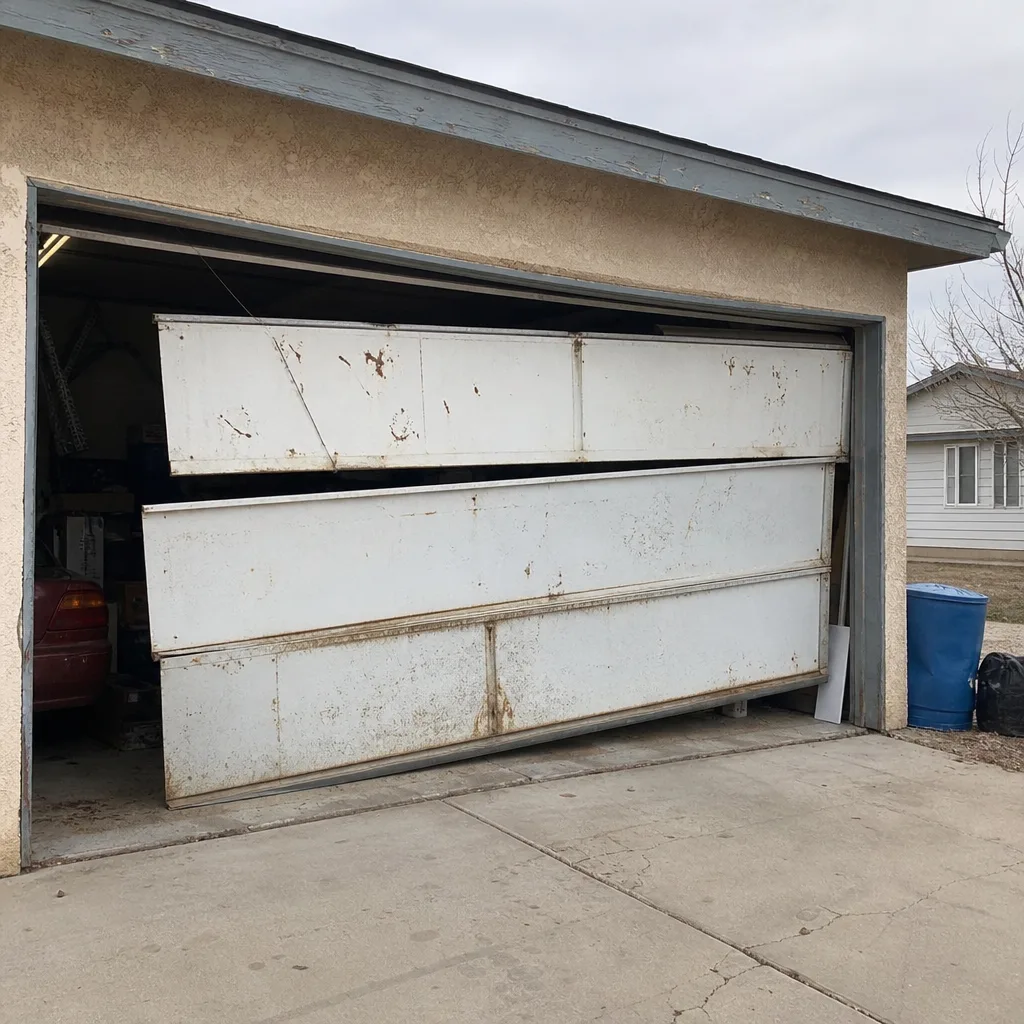 Before
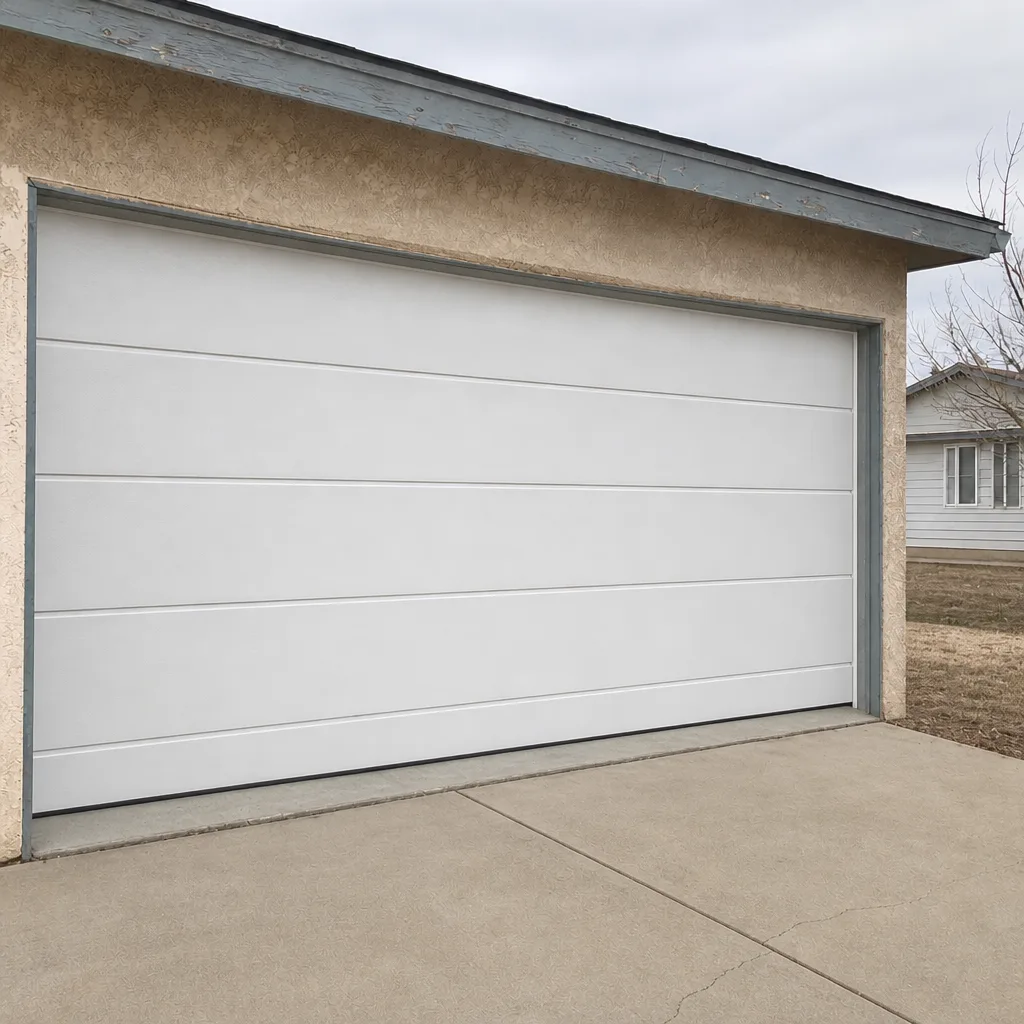 After
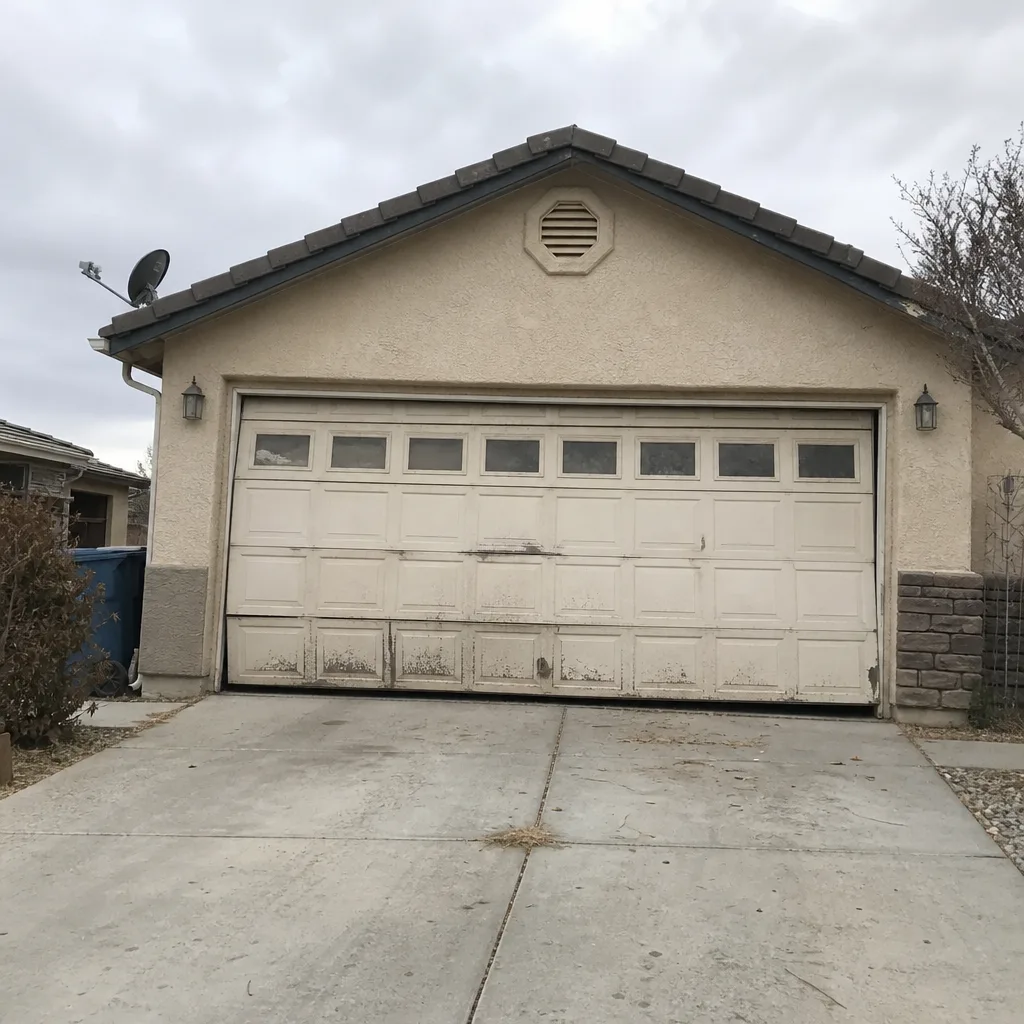 Before
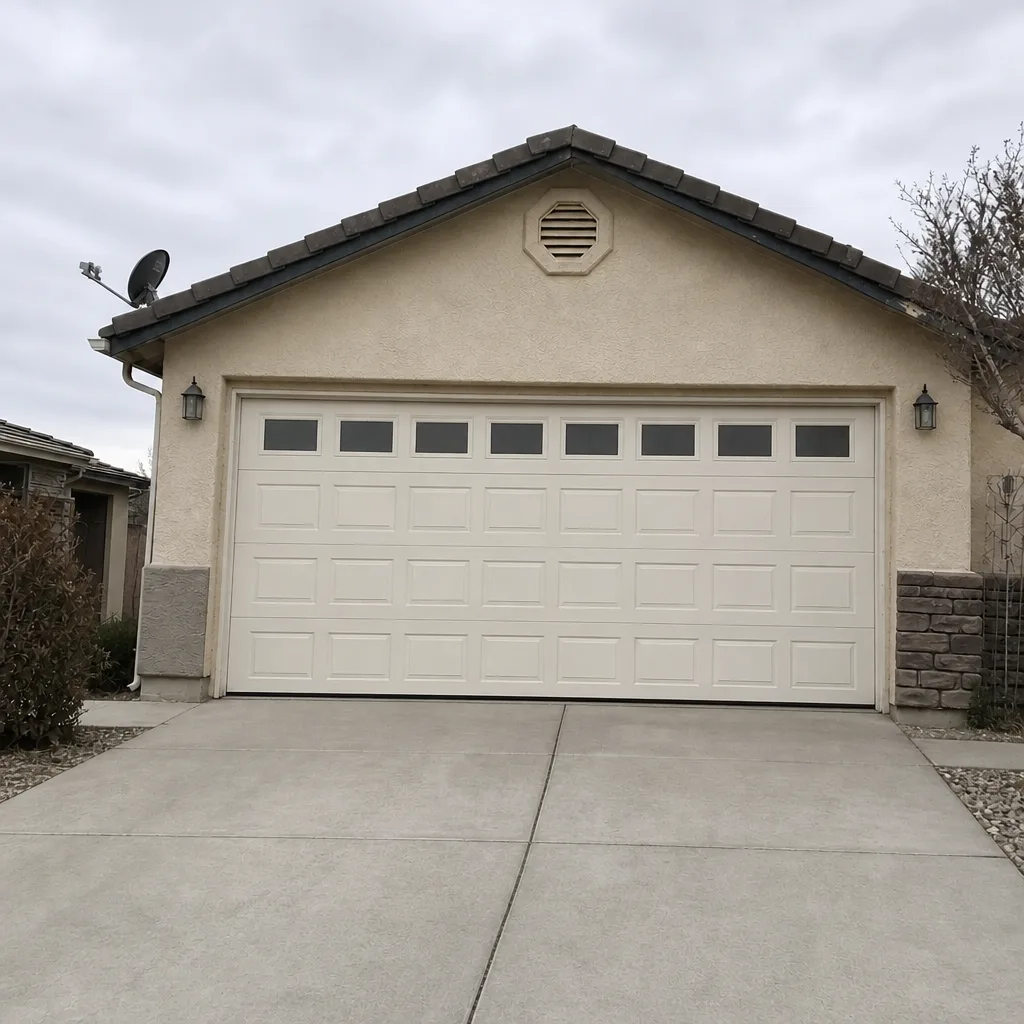 After
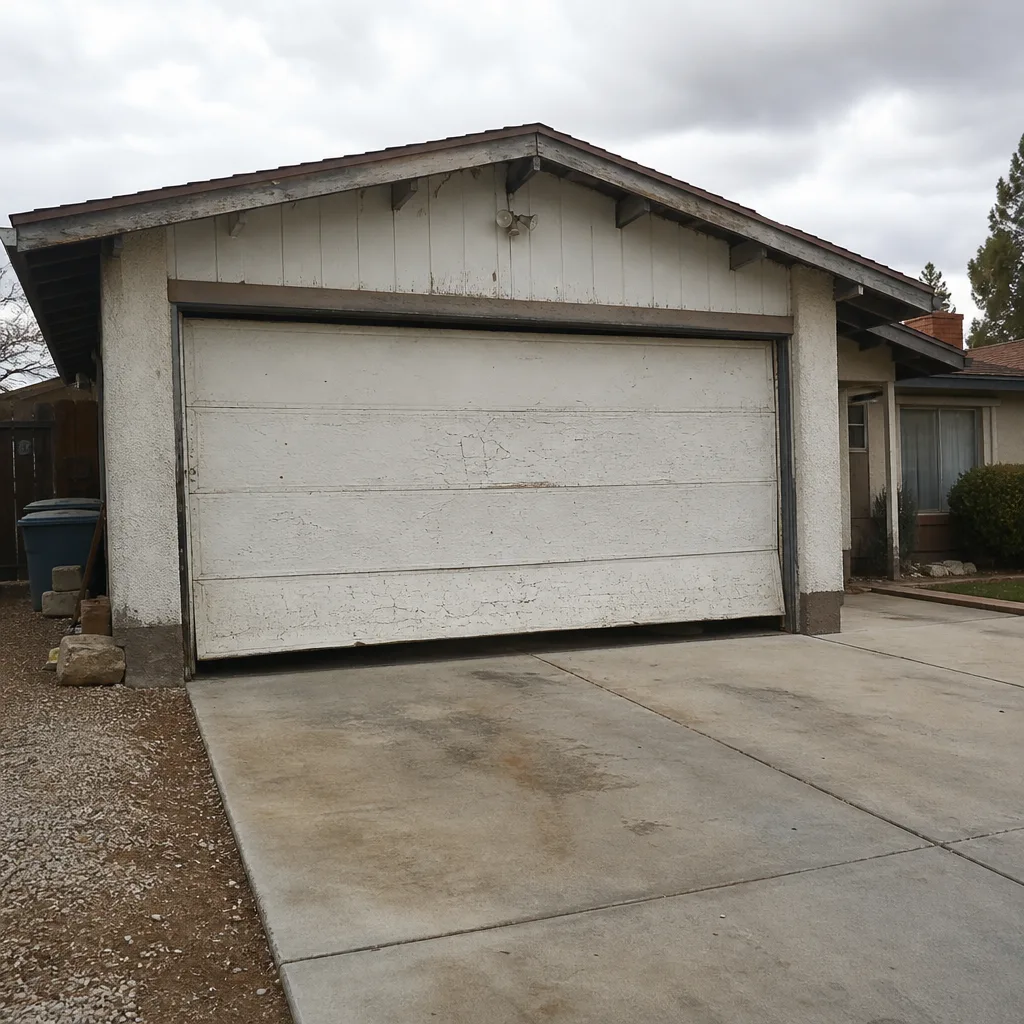 Before
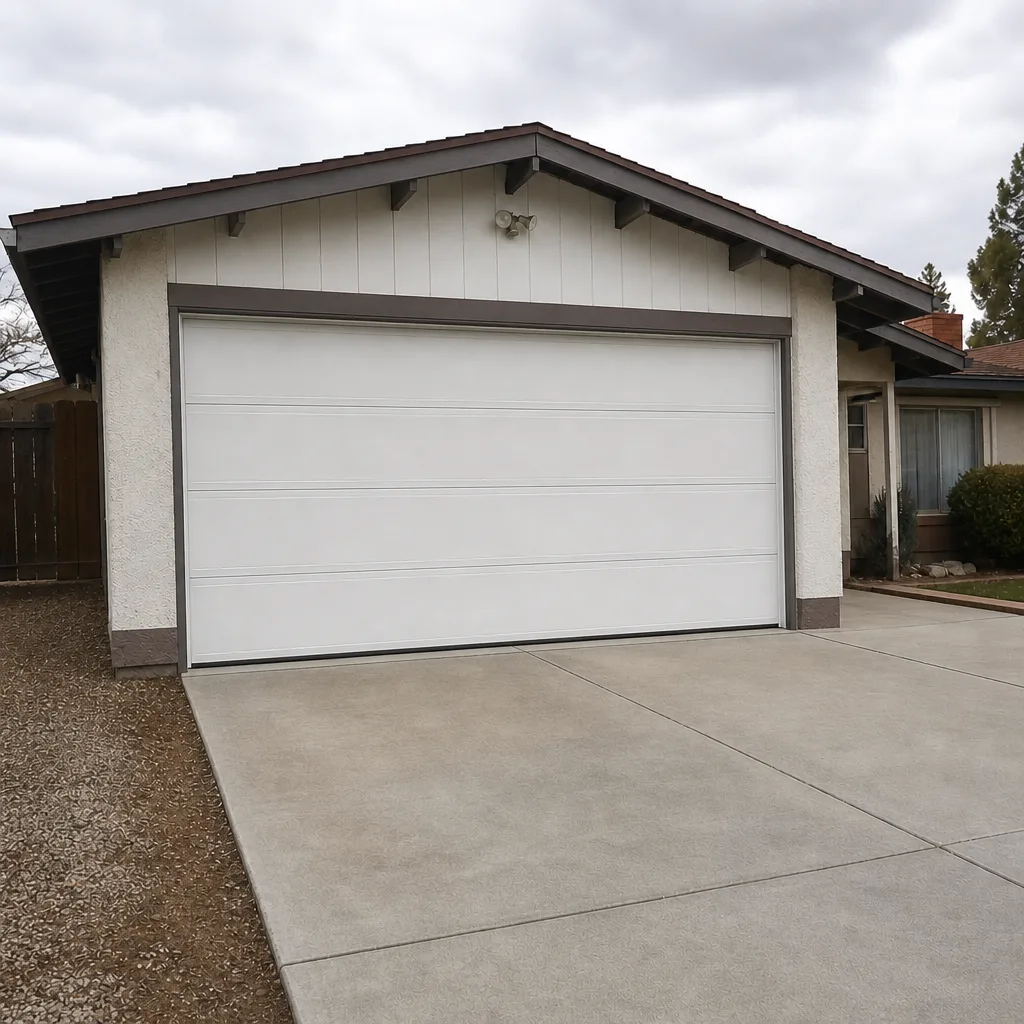 After