
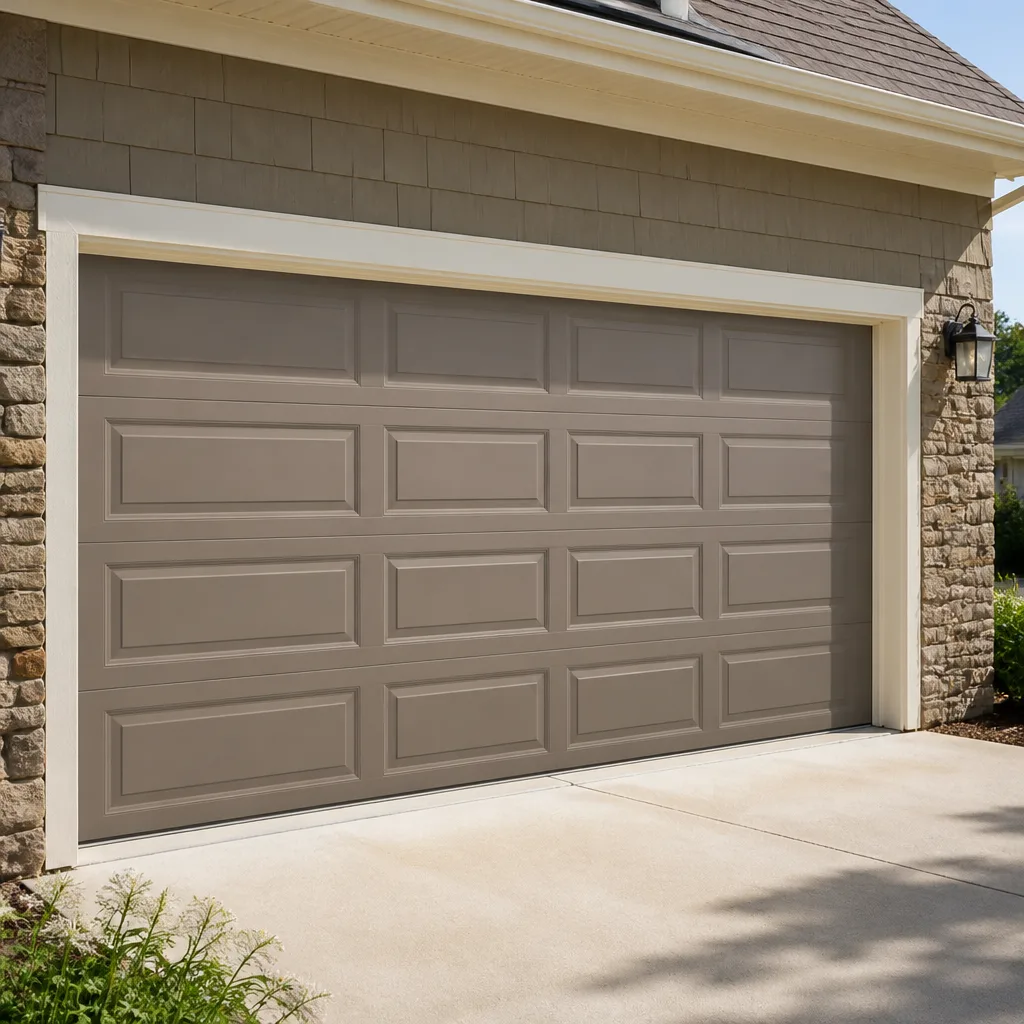
 Raised-panel steel
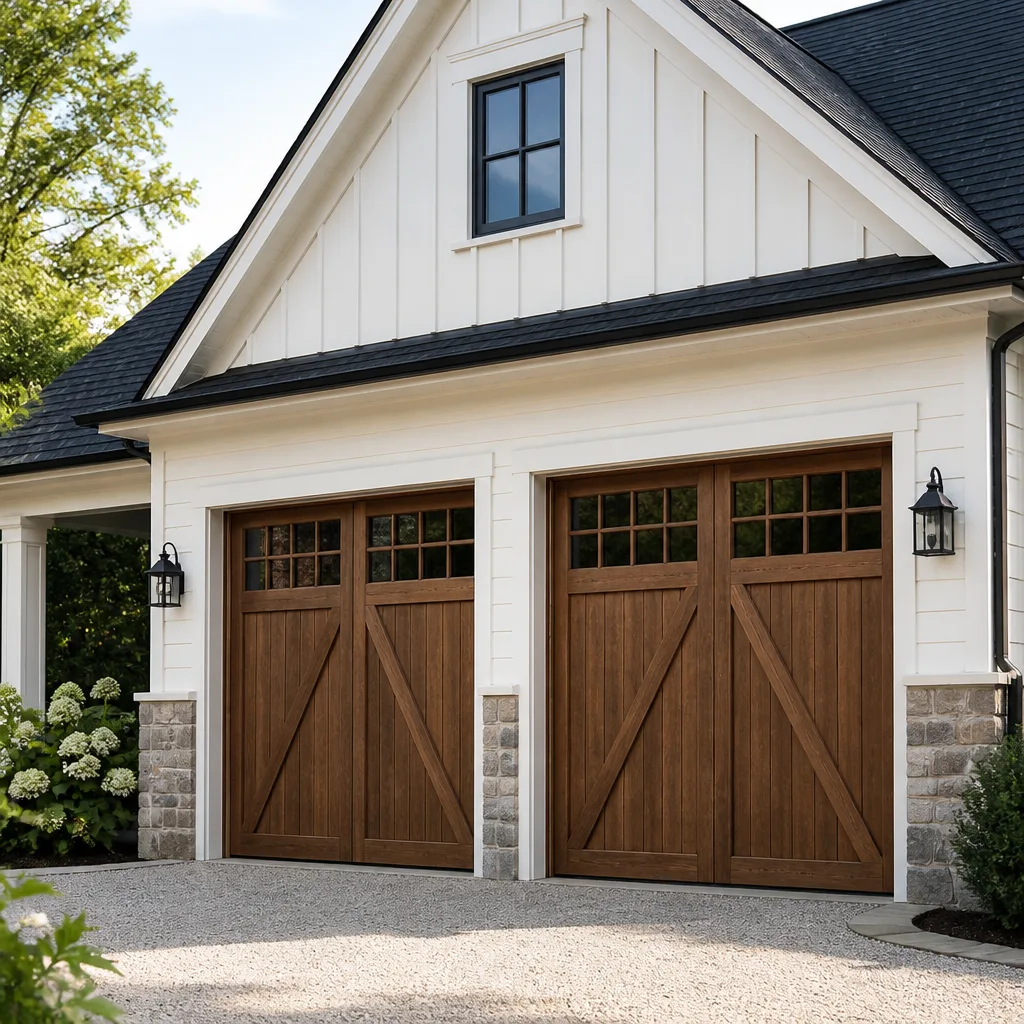 Carriage house
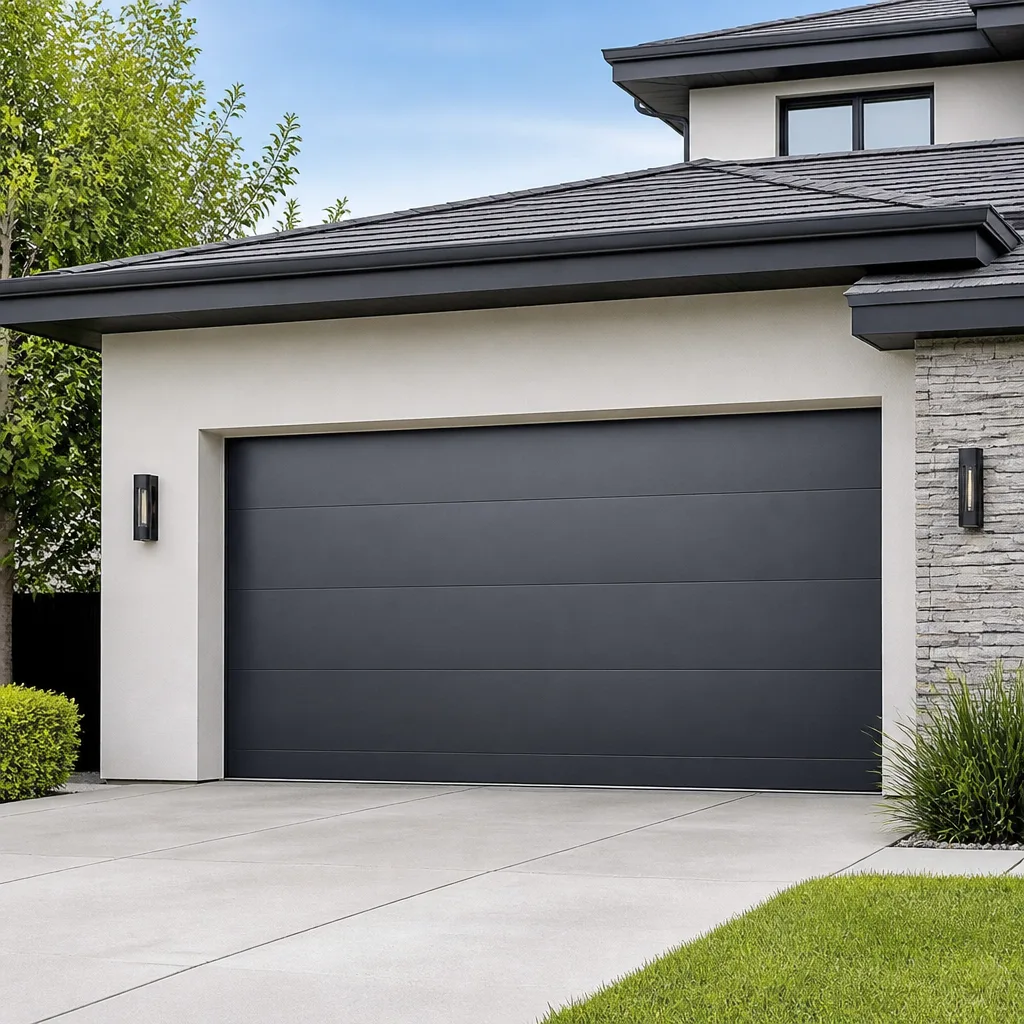 Modern flush
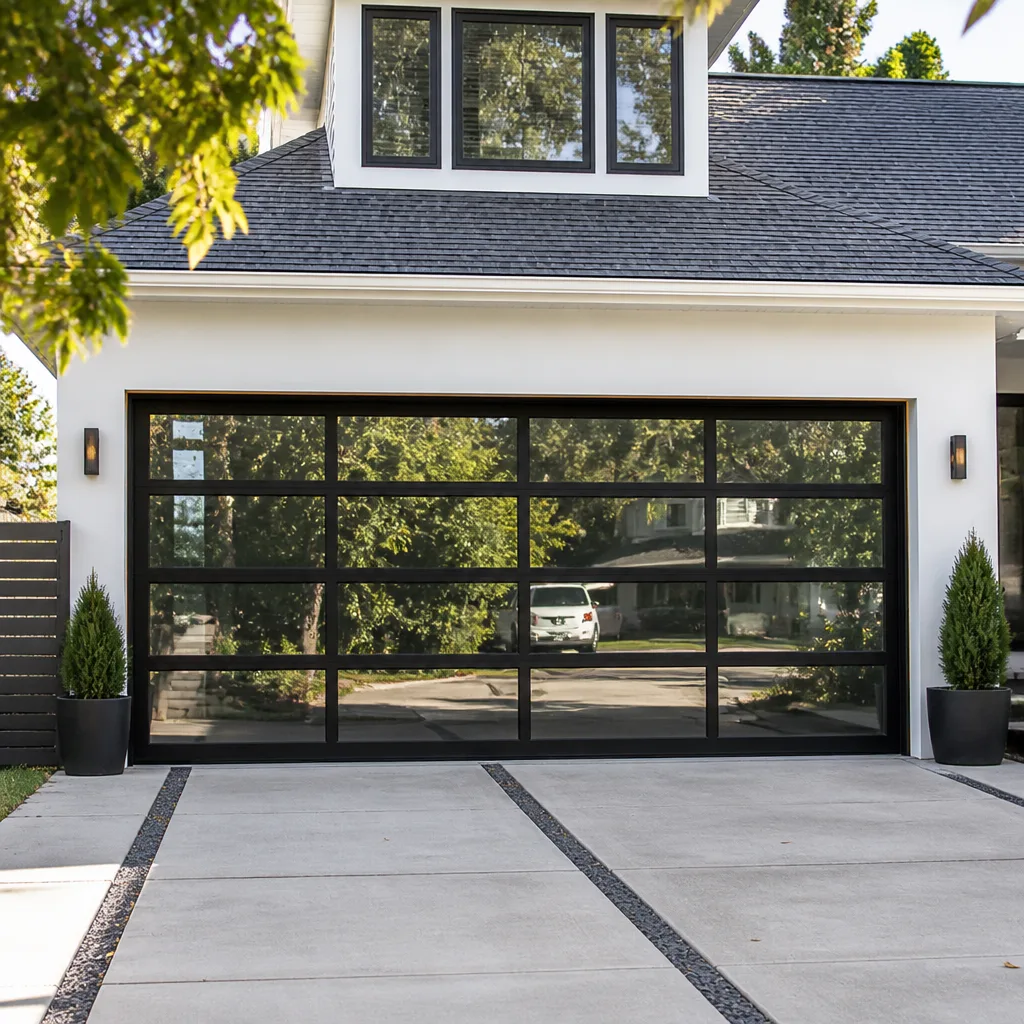 Full-view glass
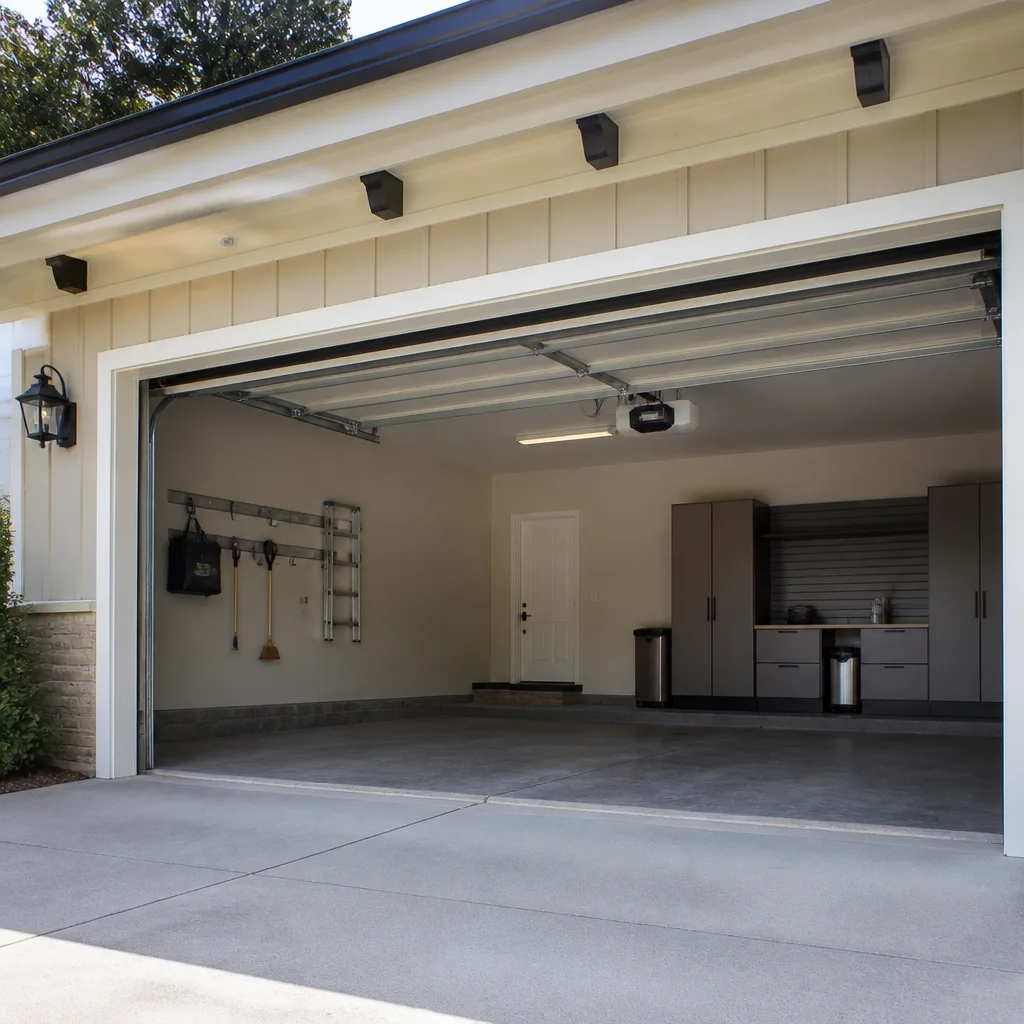 LiftMaster openers
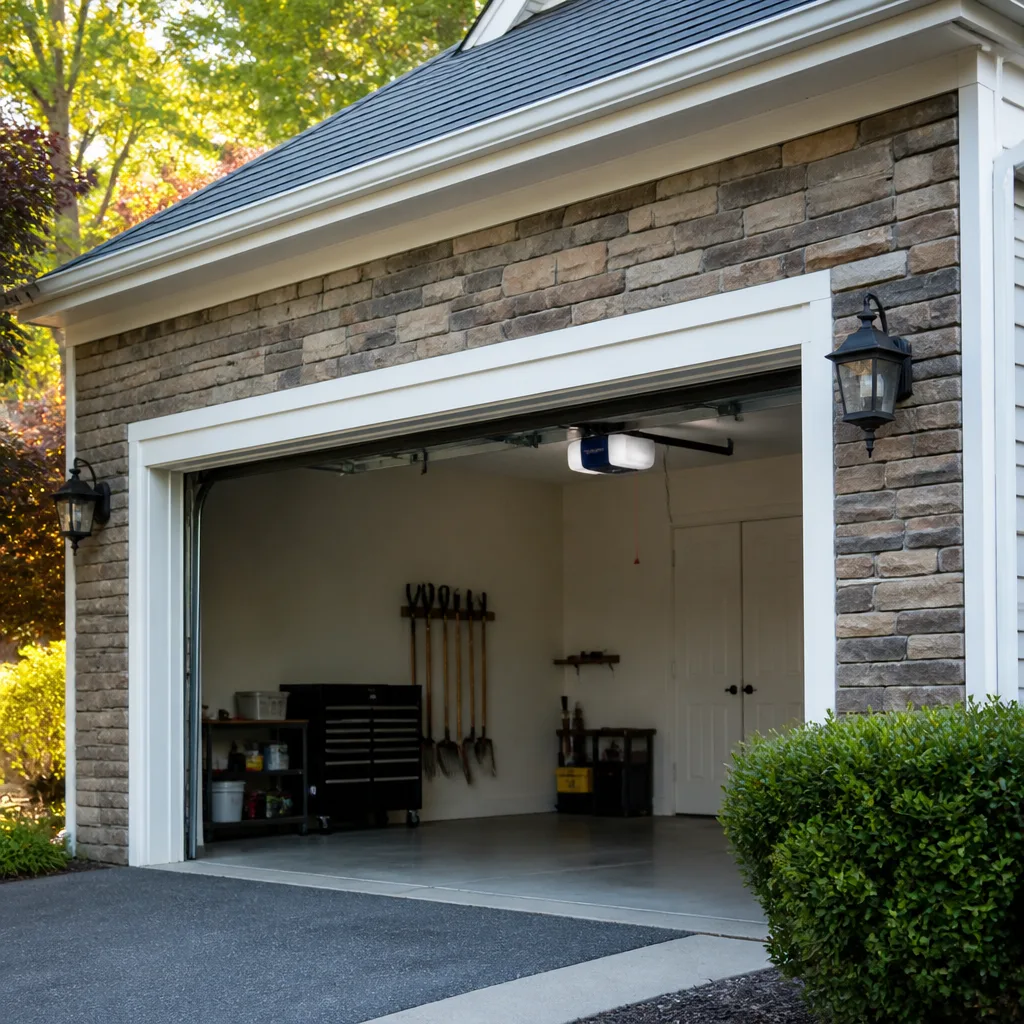 Chamberlain openers
Full 25-point door and opener safety check with every visit - springs, cables, rollers, tracks, and your LiftMaster or Chamberlain opener included
You get a price before we start. It does not change when the pro arrives.
Get your free estimateStyles & brands we work with
- Raised-panel steel
- Carriage house
- Modern flush
- Full-view glass
- LiftMaster openers
- Chamberlain openers
See the difference
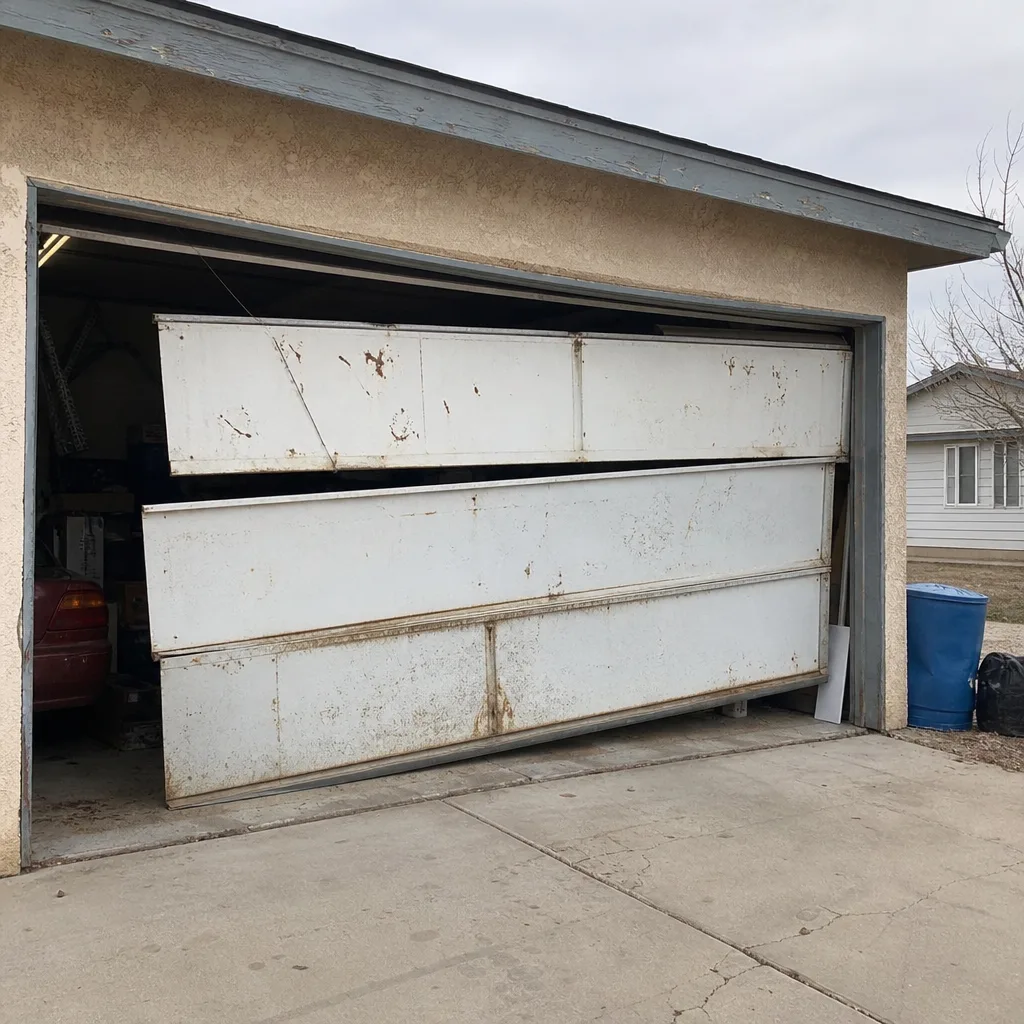 Before
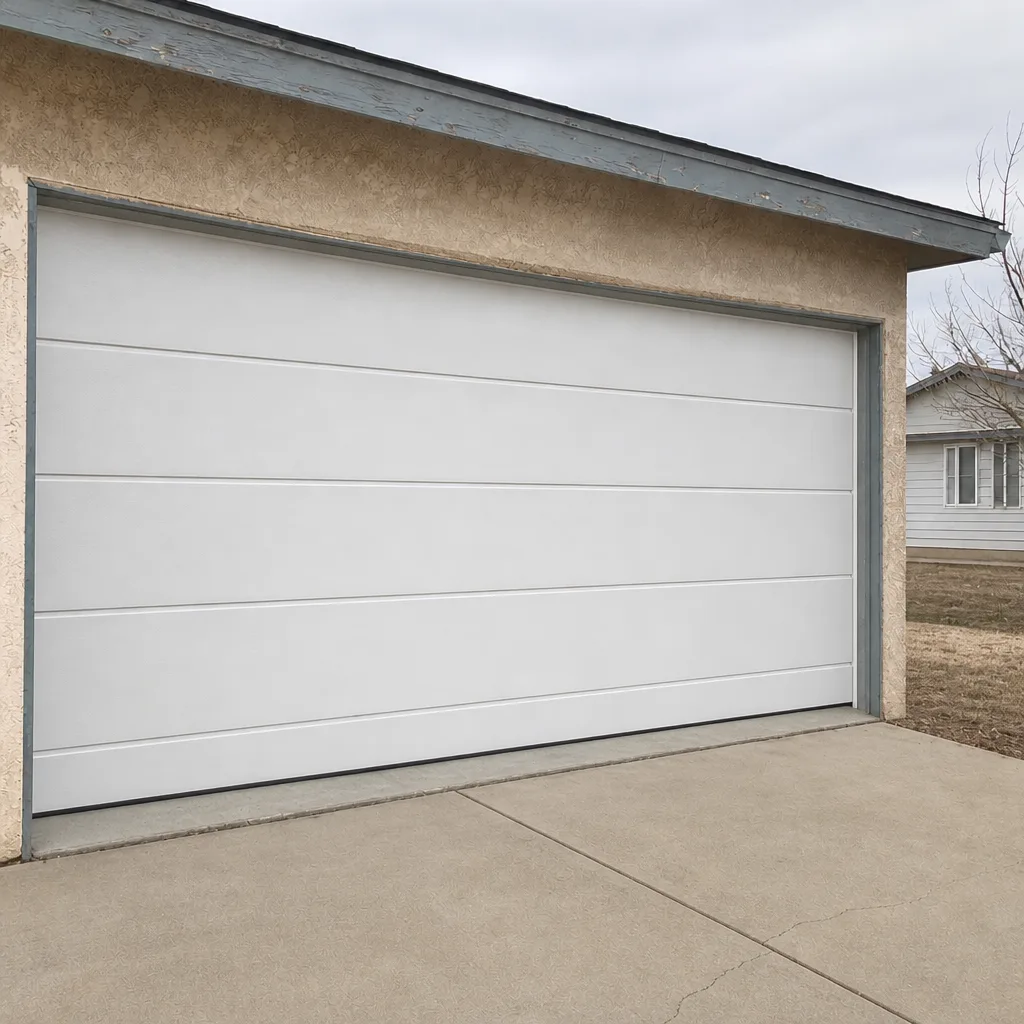 After
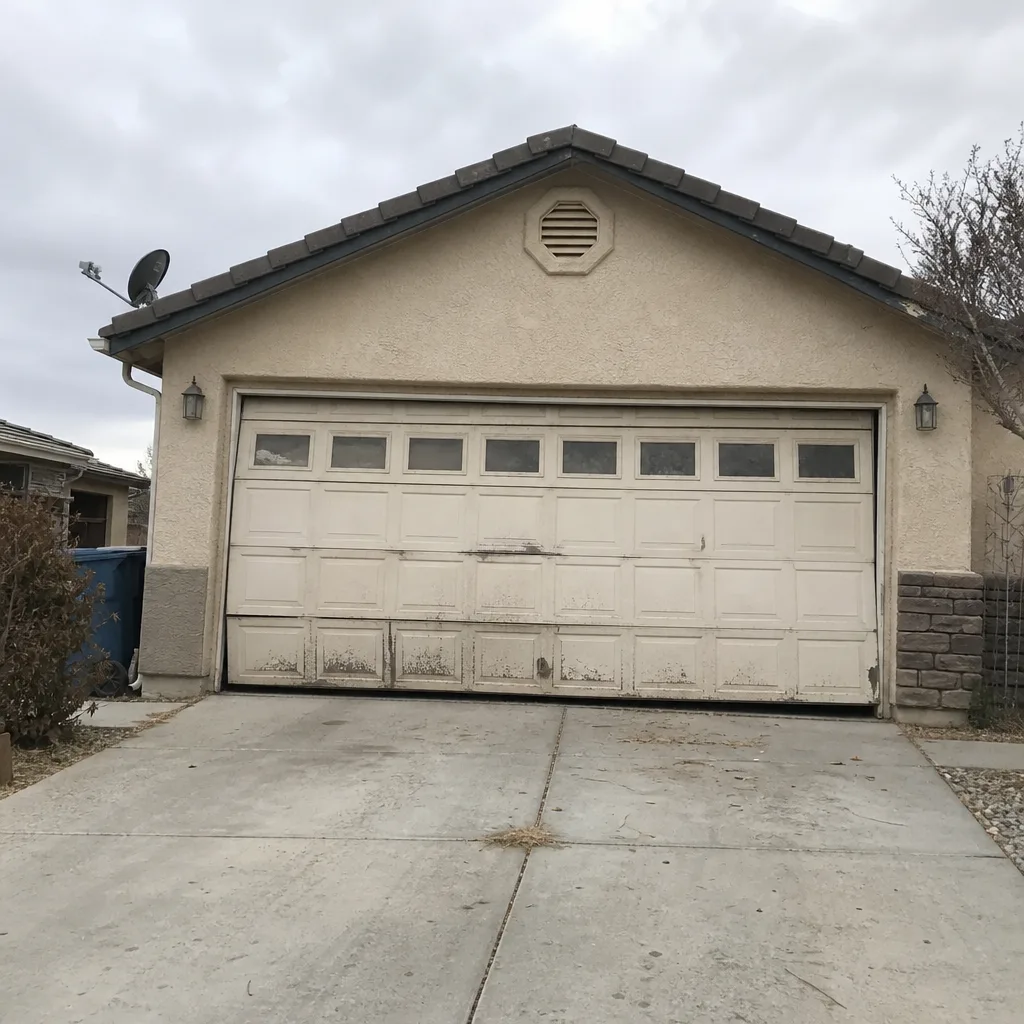 Before
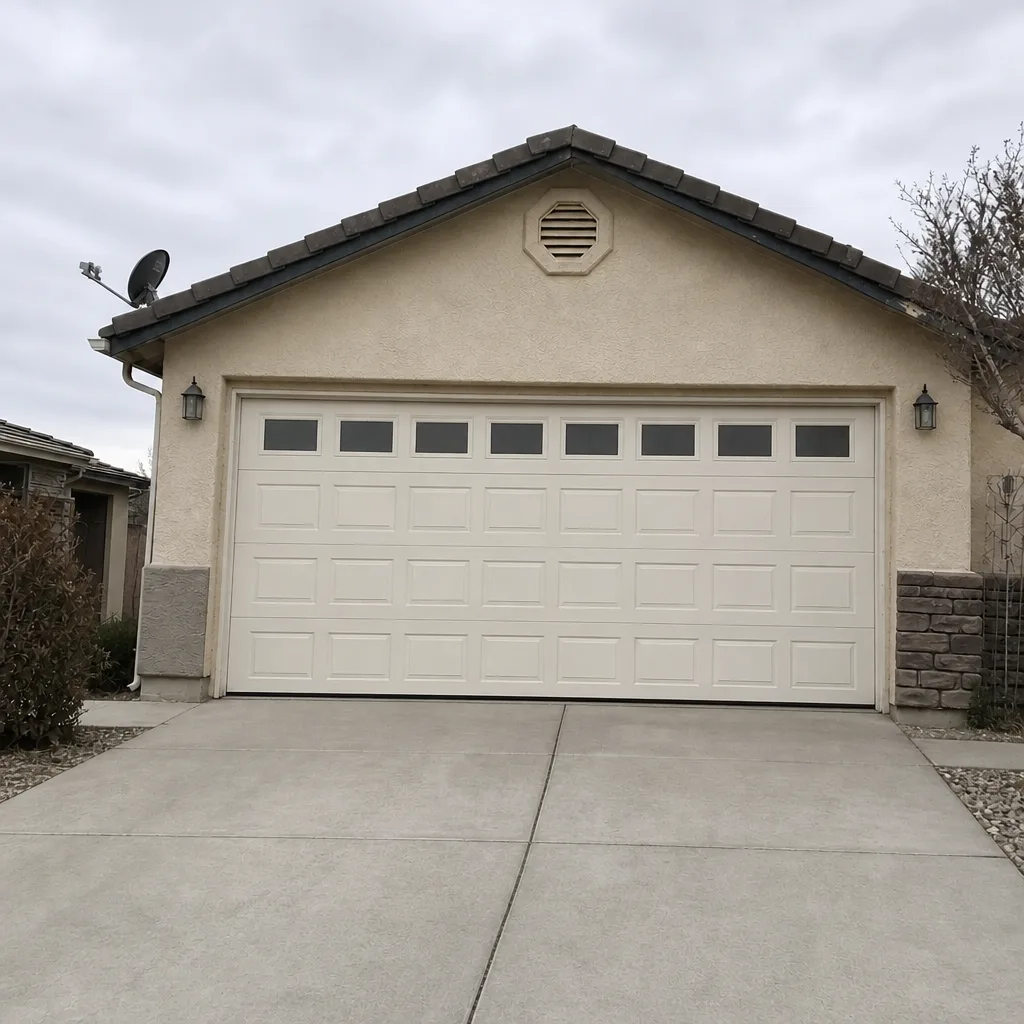 After
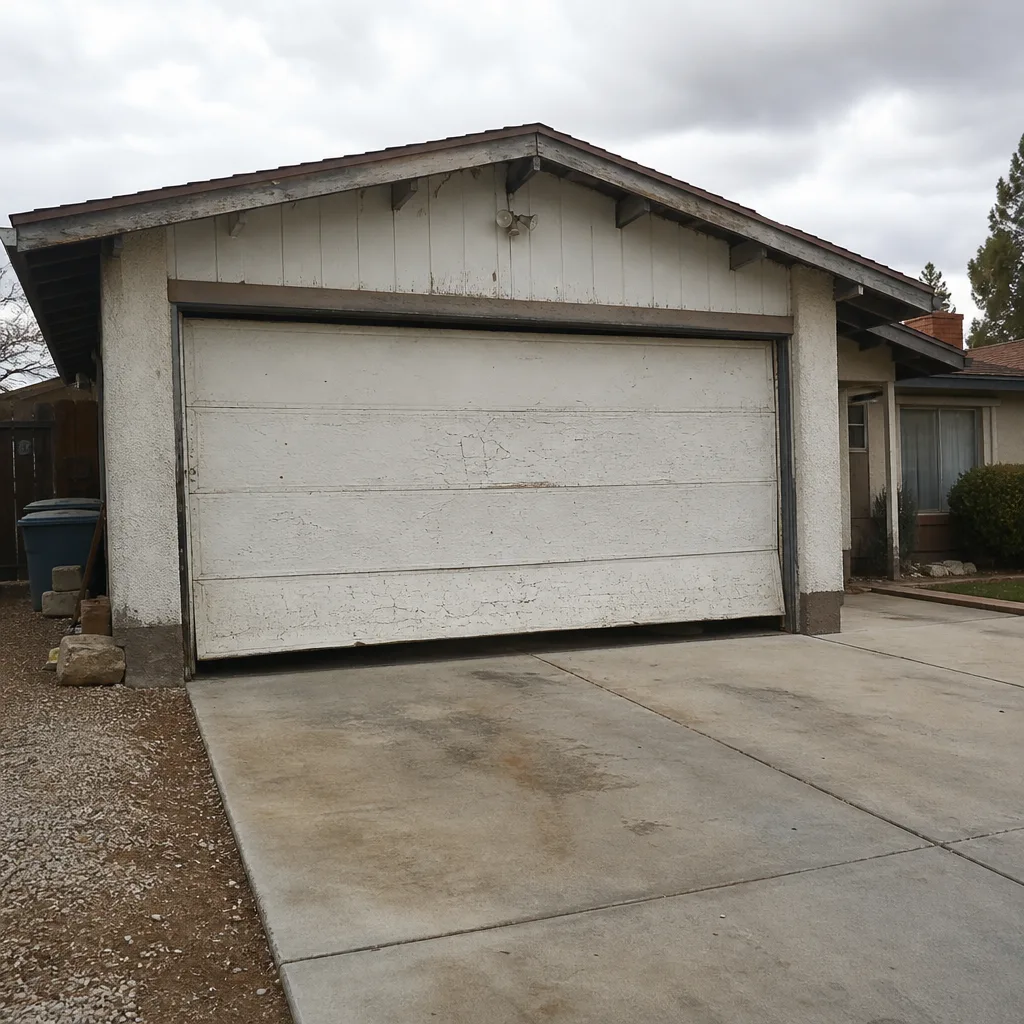 Before
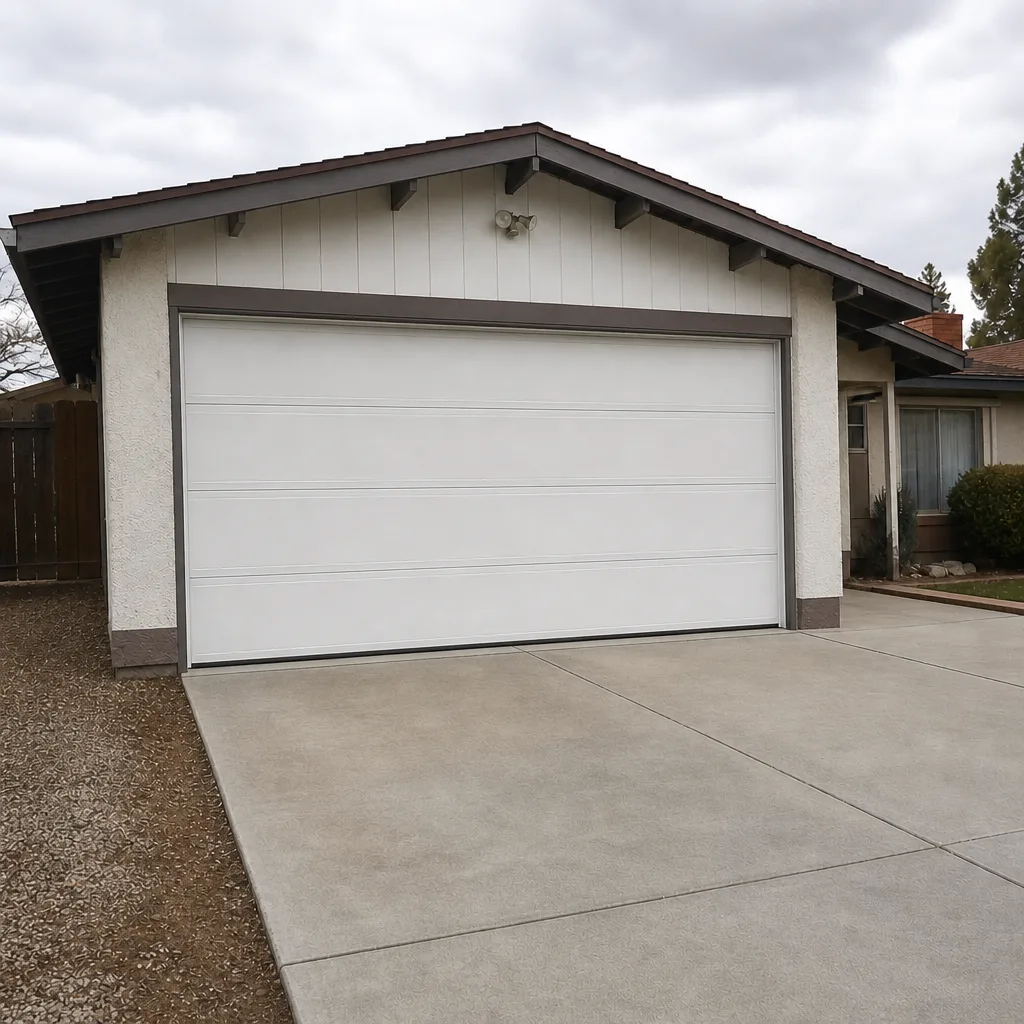 After
Why Does My Garage Door Reverse in Mesquite, NV?
If your garage door reverses before it reaches the floor, the short answer is that one of three things is telling the opener a problem exists: the photo-eye sensors are blocked or misaligned, the force-limit setting is too sensitive, or the door is meeting real physical resistance on its way down. In Mesquite, that third cause shows up far more than national troubleshooting guides admit. A heat-warped, sun-cracked bottom seal dragging on concrete is the most common reason a door reverses in July and closes fine in January. If you want a trained eye on it, call Fernbrook Garage Door Repair Mesquite at (888) 255-7680.
Most people assume the sensor. It usually isn’t. Here’s how to tell the difference before you touch a single setting.
The Three Real Reasons a Door Reverses (And Which One You’re Most Likely Facing)
The opener’s auto-reverse protection is a safety feature doing exactly what it was built to do. When it trips, it’s reporting one of three conditions. Knowing which one saves you a service call you don’t need or points you straight at the one you do.
- Photo-eye obstruction or misalignment. The two sensors at the bottom of the tracks shoot an invisible beam across the opening. Dust on the lens, a parked bike, a wobbling bracket, or direct sun hitting the receiving eye can break that beam. The indicator LED tells you: a blinking light on the sending unit means the beam is blocked.
- Force-limit set too sensitive. Every opener has a force setting that governs how much resistance it tolerates before reversing. Set too low, the door reverses on normal friction. This is common after a season of dust buildup or a seal that’s started dragging.
- Mechanical resistance in the door’s travel. Rollers, hinges, tracks, and the bottom seal all create drag. When drag is high enough, the opener reads it as an obstacle. In Mesquite’s climate this is the dominant cause, especially between June and September.
The first cause is year-round. The second and third spike in summer, and they’re often the same problem wearing two hats.
The Desert-Specific Cause Nobody Warns You About
At 108°F, a brittle sun-cracked rubber seal can warp enough to trigger the force-limit sensor. The opener believes it has hit an obstacle when it’s actually fighting its own seal.
Here’s the mechanism. Your bottom seal runs the full width of the door and rests on the concrete floor when the door is closed. UV exposure and single-digit humidity crack the rubber, shrink it, and curl its edges. A curled edge doesn’t sit flat anymore. It drags. And a dragging edge produces exactly the resistance signature the opener’s force-limit circuit is designed to detect.
So the safety feature works correctly – against a part that’s quietly aged out. This is why the reversal happens most often on the hottest afternoon of the summer and disappears again when the weather cools and the rubber softens slightly.
In Sun City Mesquite, afternoon sun hits west-facing garage doors hard enough that we inspect the bottom seal for sun-cracked rubber on nearly every service call. Seals here fail faster than in nearby St. George, and homeowners repaint panels and replace weather seals far more often as a result. If your door is one of the steel or wood-composite sectional doors common in Mesquite’s master-planned neighborhoods, those 1990s-2000s builds are right in the window where original seals are due.
How to Diagnose It Yourself, Safely – Step by Step
You can narrow this down without adjusting anything. The sequence below is a diagnostic, not a repair. It only asks you to observe.
- Check the photo-eye LEDs first. Look at the two sensors near the floor on either side of the door. A steady light on both means the beam is clear. A blinking light means something is interrupting it – dust, a leaf, a sagging bracket, or afternoon sun angling into the receiver. Wipe the lenses with a dry cloth and re-check.
- Disconnect the opener and move the door by hand. Pull the emergency release cord (with the door fully closed, so it doesn’t slam). Lift the door halfway and let go. A balanced door should stay roughly where you put it. If it drops or fights you, the springs, rollers, or tracks are creating resistance – and that resistance is what’s tripping the reverse.
- Feel the bottom seal along the floor. With the door down, run a hand along the seal’s edge. You’re feeling for a curled lip, a hard or cracked texture, or a section that no longer contacts the concrete evenly. If any of that is present, you’ve likely found your cause.
- Compare behavior across the day. Try the door at 8 a.m. and again at 4 p.m. If it closes cleanly in the morning and reverses in the afternoon, heat-related seal or friction resistance is the answer, not a sensor problem.
That last test is the one most people skip, and it’s the most revealing in a desert climate.
When to Call Instead of Adjusting
There’s a line worth respecting, and it sits at the force-limit and travel-limit settings. Adjusting those without understanding the door’s spring balance can mask a real mechanical problem or, worse, disable the auto-reverse safety function that protects anyone standing under the door. A door that closes because you told the opener to ignore resistance is not a door that’s safe.
High-tension springs and cables are also genuinely dangerous. We don’t recommend homeowners touch them at all, and any guide that walks you through it is a guide worth closing.
Fernbrook’s phone line is answered by a live person 24 hours a day, seven days a week – no voicemail. That means a technician can describe what you’re seeing and help you decide whether it’s a five-minute fix or a visit, before anyone drives out. Our technicians are background-checked, uniformed, and carry up to 24 years of experience, including hands-on work with LiftMaster, Chamberlain, Genie, and Raynor systems.
If a visit makes sense, here’s how the pricing works: you get a written price before any work begins, every time. No surprise invoice at the end. If the reversal traces back to a cracked bottom seal, that seal replacement is itemized on that written price up front.
What Reversal-Related Repairs Cost in Mesquite
Most reverse-and-retry problems land in the repair range below. These are the ranges we work from in Mesquite, and we’ll tell you plainly which line your door falls into once we’ve looked.
| Repair | Typical Range |
|---|---|
| Garage door repair (general) | $150-$600 |
| Spring repair | $180-$340 |
| Roller replacement | $110-$220 |
| Track realignment | $120-$240 |
| Opener repair | $120-$320 |
| Cable repair | $130-$250 |
Bottom seal replacement usually rides along with a general repair visit rather than standing alone. For the full picture of what we handle, see our Garage Door Repair page, and for scheduling in Mesquite specifically, start at Garage Door Repair in Mesquite.
Every job is backed by our 365-Day Done Right Promise – if it isn’t done right, we make it right. On every visit, technicians wear shoe covers and lay drop cloths inside the home, ask before moving anything, use quiet tools if the kids are asleep, and take a photo of the clean-up before they leave. It’s part of the Cedarwell Care Promise our independently owned and operated location follows, and it costs nothing extra.
FAQs
Your door reverses because the opener’s safety circuit detected resistance or a broken sensor beam during the close cycle. In Mesquite the most frequent culprit is a sun-cracked bottom seal dragging on the concrete, followed by dust-blocked photo-eyes and a force-limit set too low. Call (888) 255-7680 if you’d like it identified for certain – a live person answers around the clock.
Heat-related reversal almost always points to the bottom seal or to friction in the tracks and rollers. At 105°F and above, rubber that’s already UV-cracked shrinks and curls, increasing drag on the floor just enough to trip the force-limit sensor. If your door reverses in the afternoon and closes fine in the morning, that pattern is your confirmation.
We don’t recommend it. Raising the force limit tells the opener to ignore resistance, which can turn off the auto-reverse protection that keeps a child or pet safe under a closing door. It also hides the real problem – a failing seal or worn roller that will only get worse. Call (888) 255-7680 and describe what you’re seeing; we’ll tell you whether it’s a quick diagnosis or needs a visit.
Repair is almost always the lower-cost path when the door structure is sound, which covers most Mesquite homes built in the 1990s and 2000s. A reversal caused by a seal, roller, or sensor issue typically falls within our standard repair range, while a new door runs $700-$2,200. We’ll give you a written price either way before any work starts.
Talk to a Real Person About It
If you’d rather have it looked at than keep guessing, Fernbrook Garage Door Repair Mesquite offers a no-pressure assessment in Mesquite – call (888) 255-7680 for a free estimate. We’ll tell you what’s causing the reversal, put the price in writing, and leave your floors and your quiet hours exactly as we found them.
Written by the team at Fernbrook Garage Door Repair Mesquite, serving Mesquite, NV.